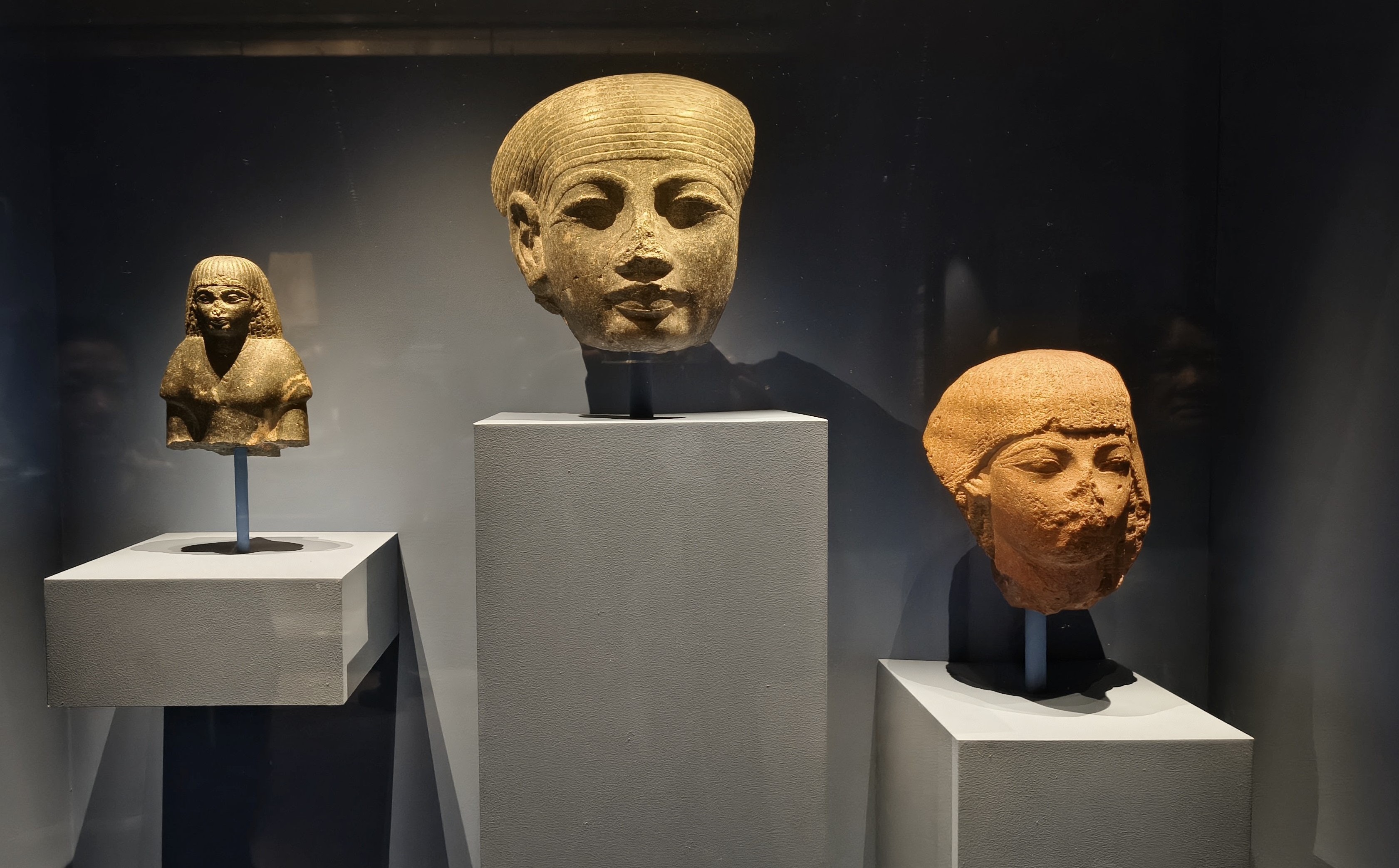
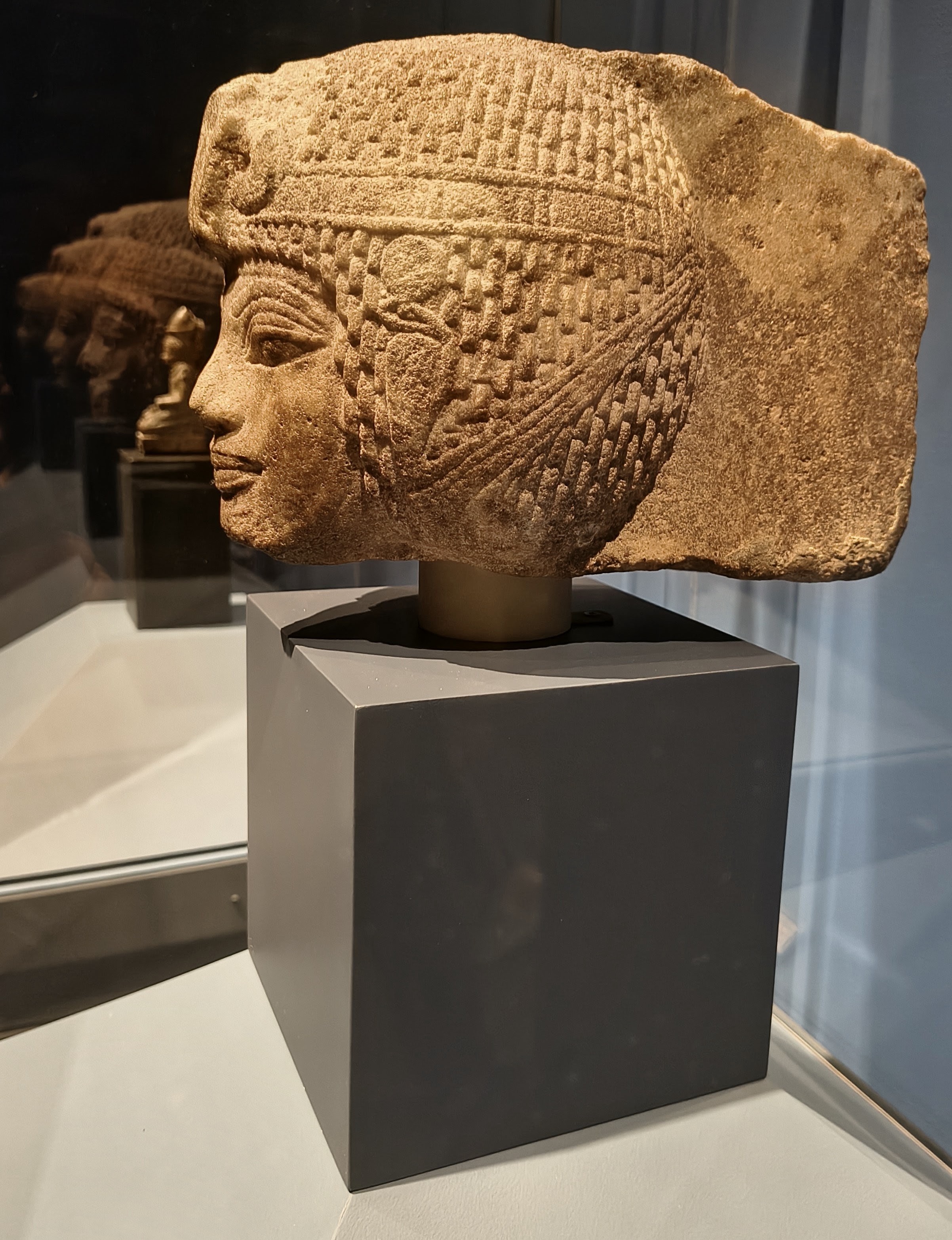
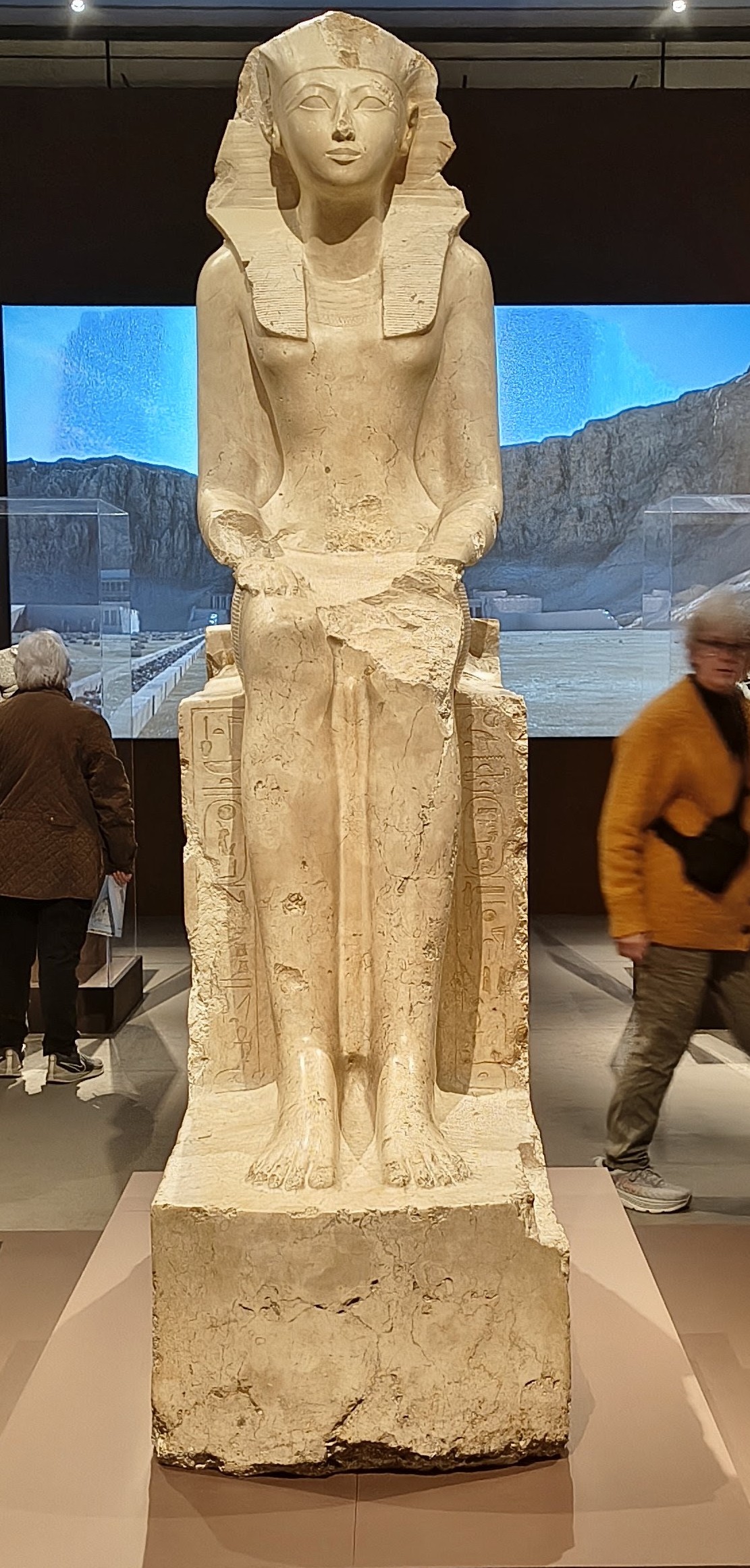
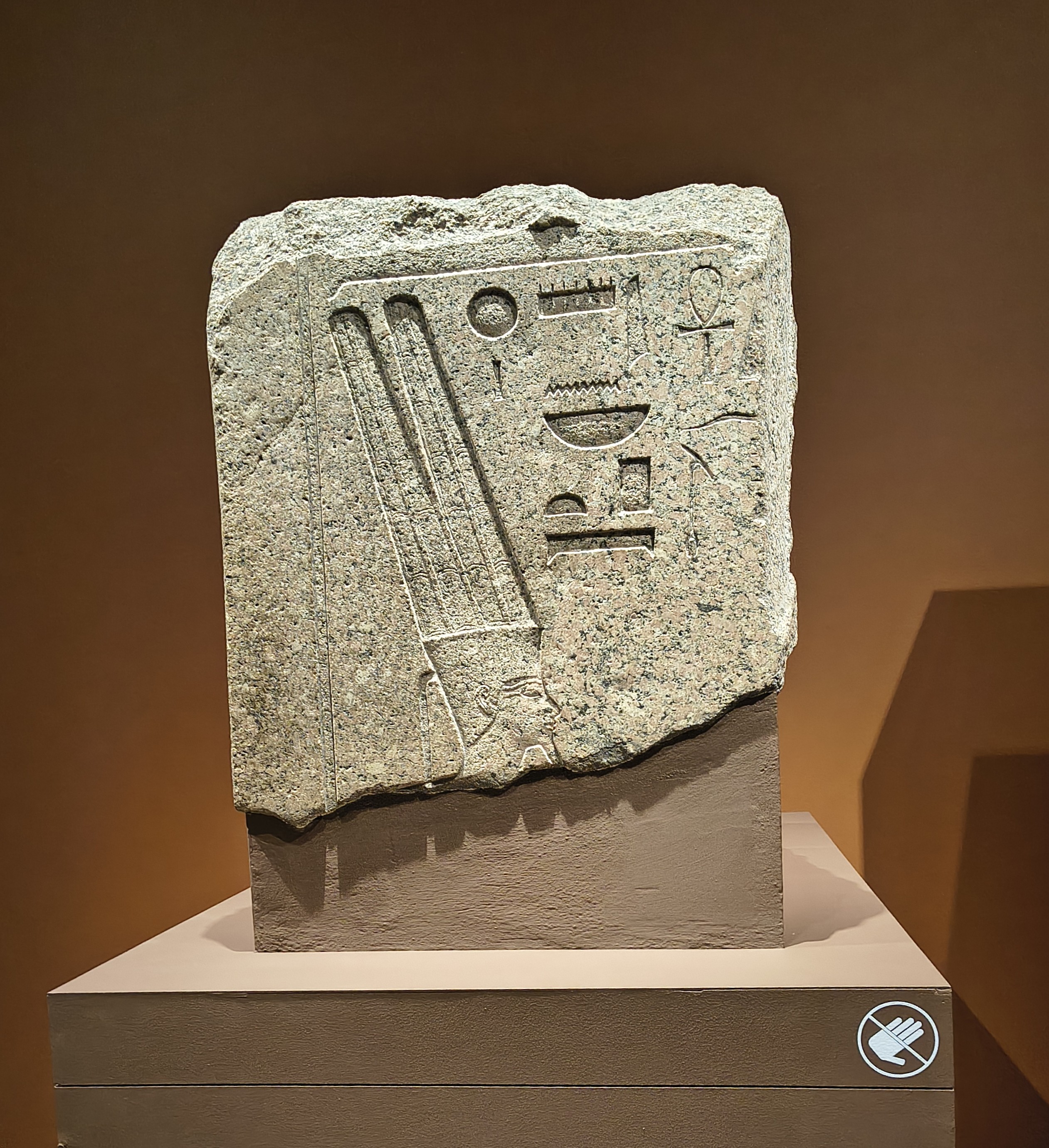
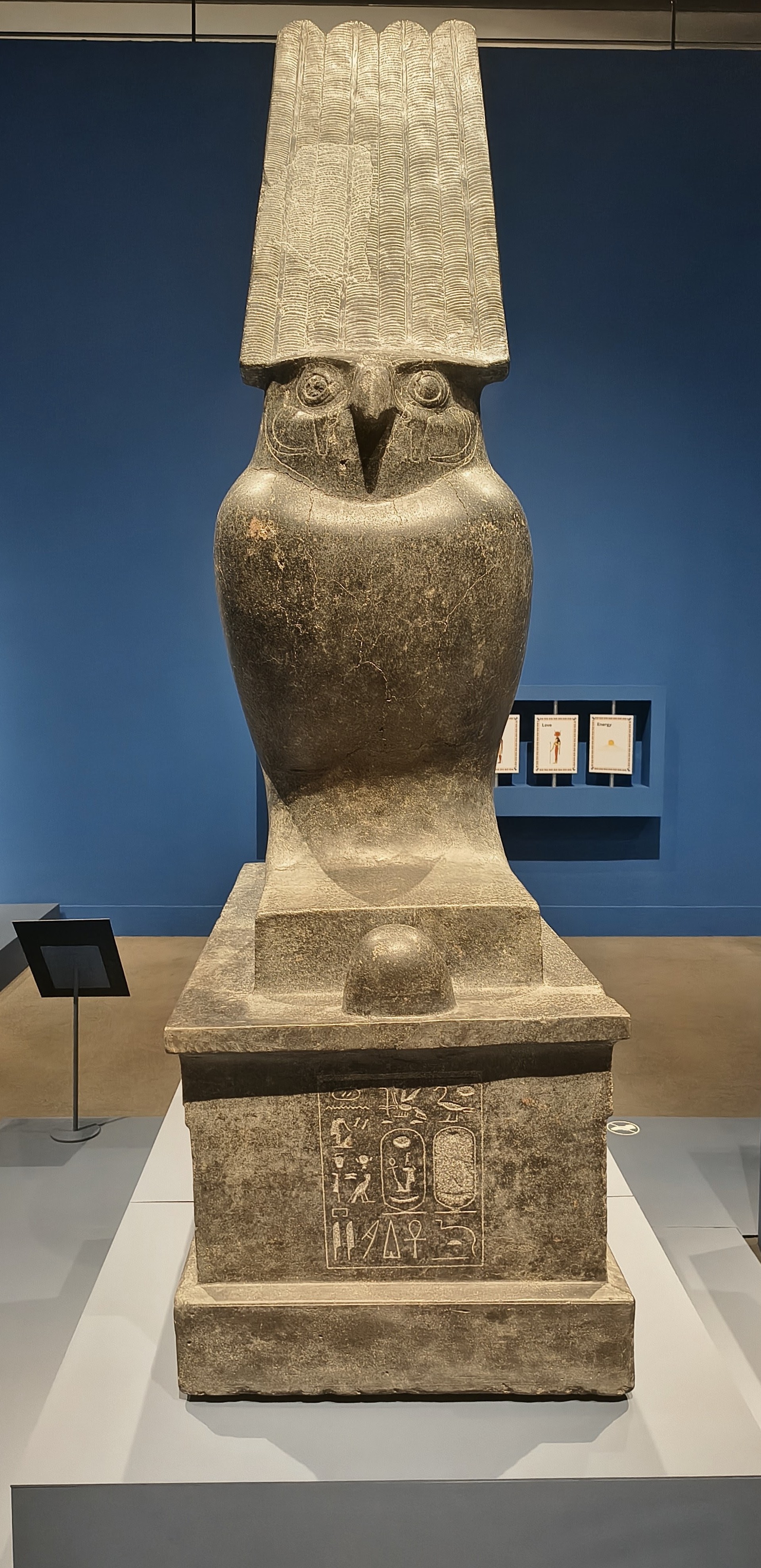
Thanks to a friend, this morning I saw the current exhibit at the Museum of Fine Arts Boston, Maverick Kings: Three Visionary Pharaohs of Egypt’s Golden Age.
Given that she is an Egyptologist it was like having a private tour as she pointed out details and history beyond the scope of the exhibit.
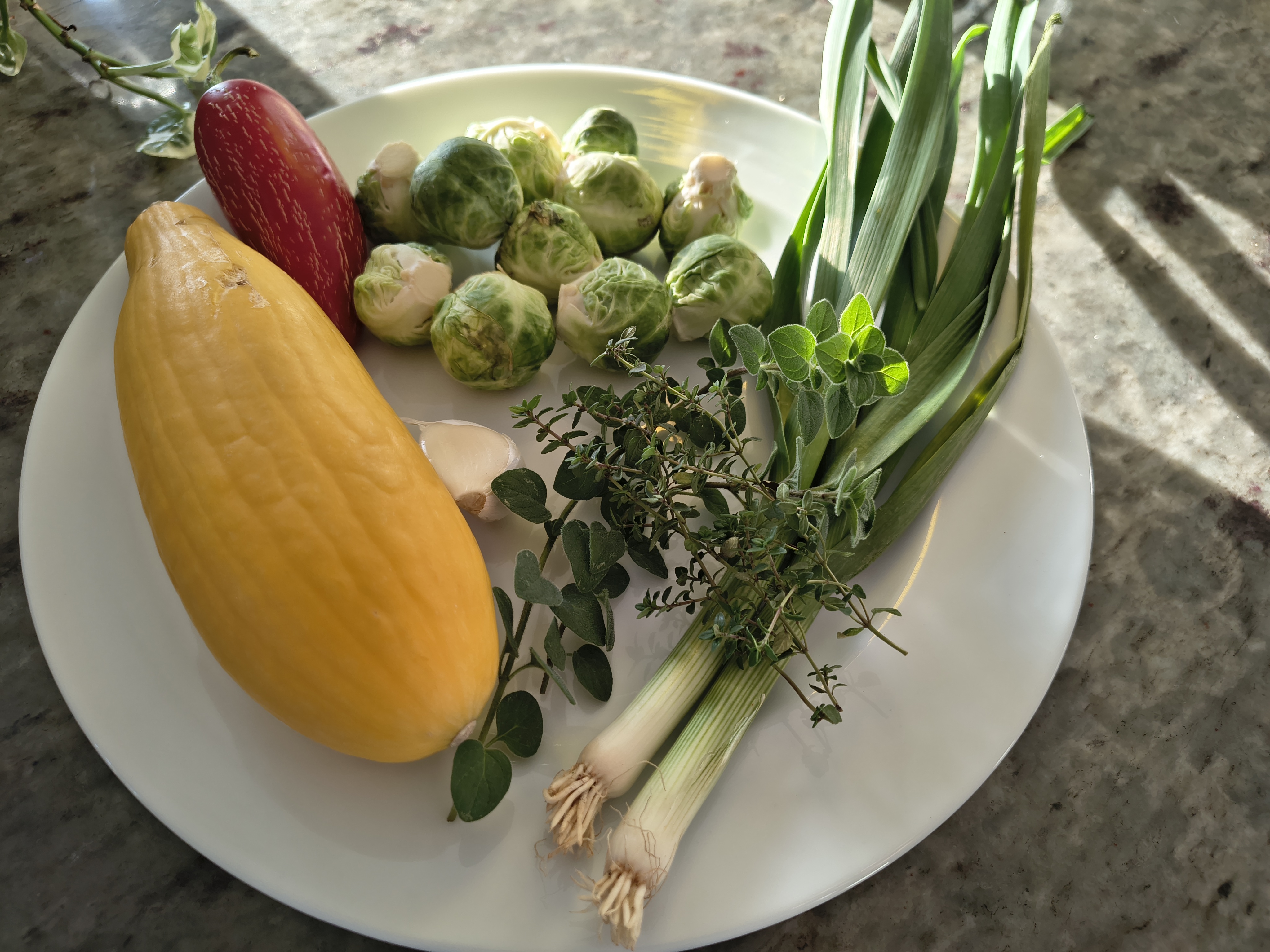
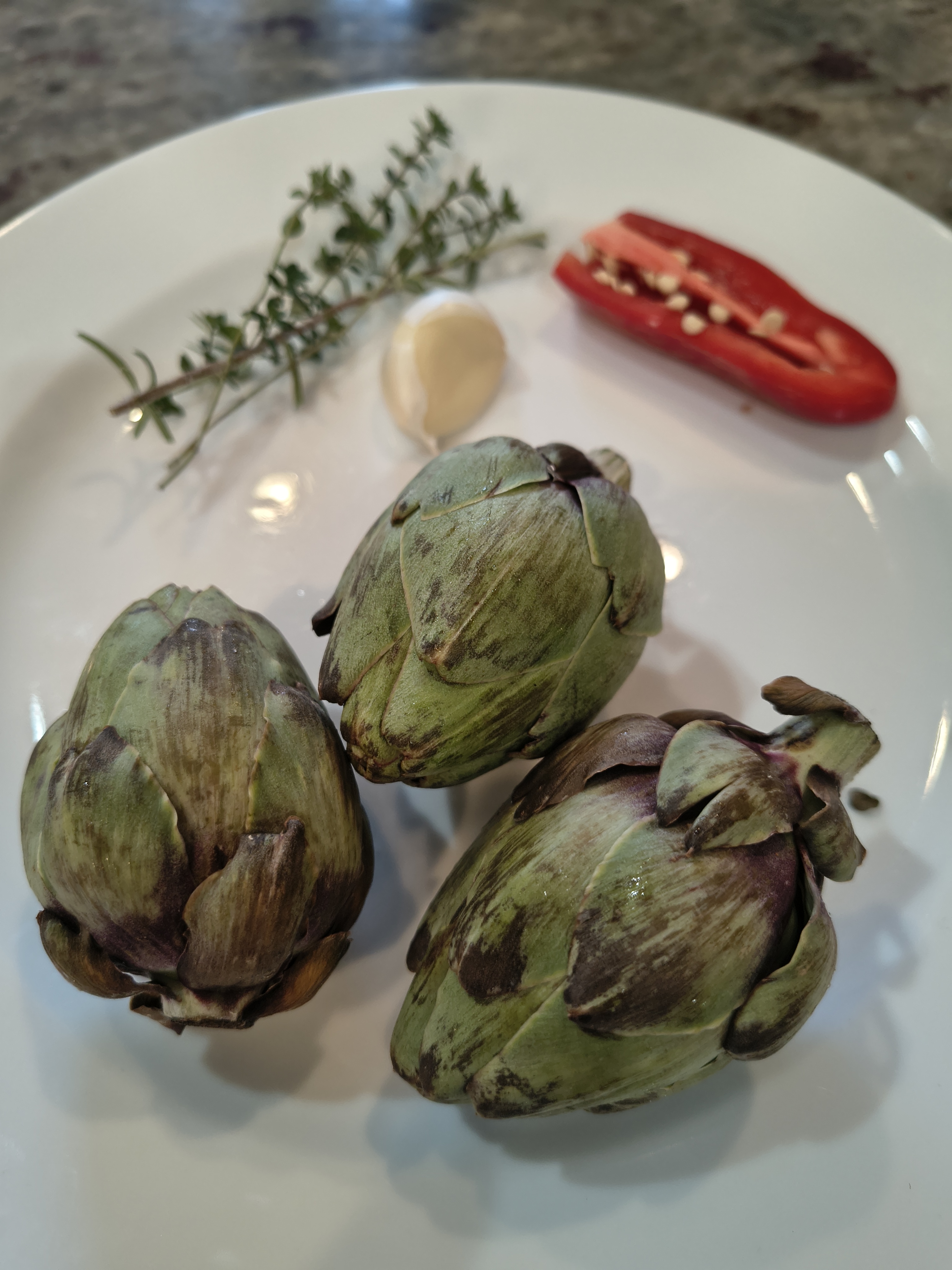
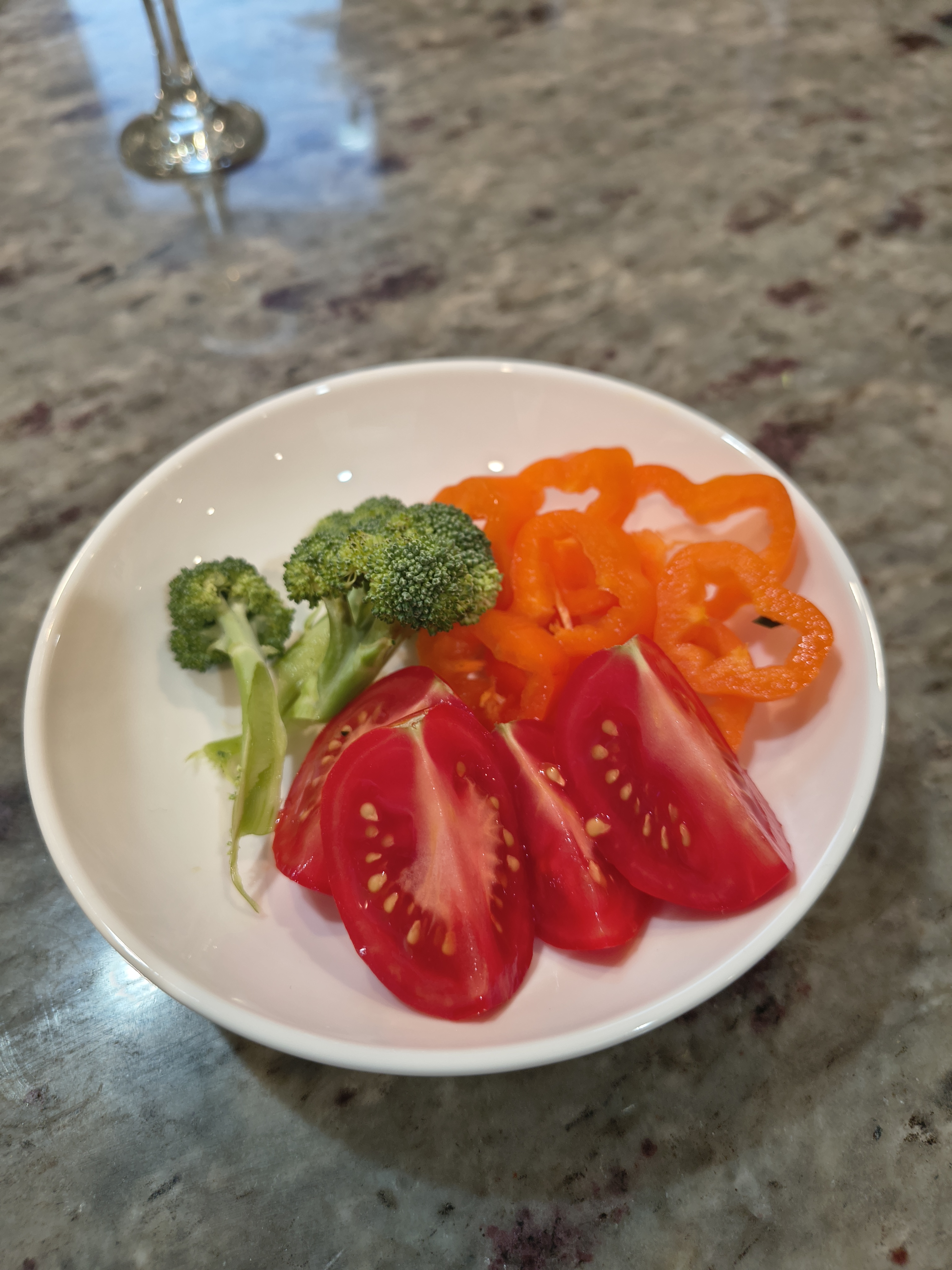
I’ve always been an omnivore but of late I have been eating more vegetables and as I look at the veggies I’ve been eating I wonder if it is because they are so darn colorful and I can “paint a plate” with them. And, yes, I know, I know, they do taste good. 🙂
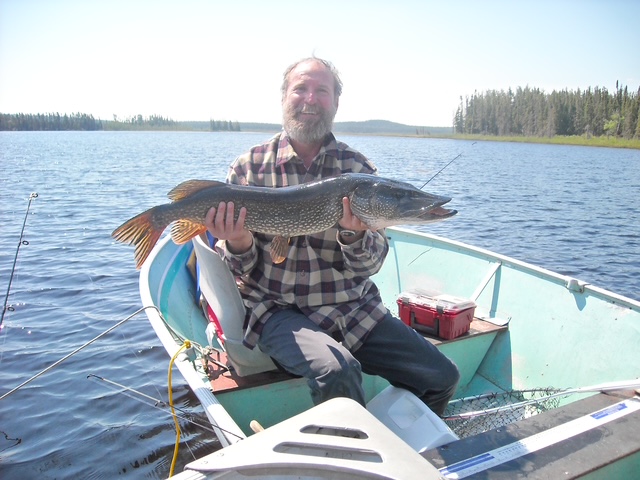
I found this picture on my laptop this morning. I must have downloaded it to share as part of the slide deck that was shown during his memorial service. This fishing trip must have been ten years ago. I know I have pictures of an older Steve with shovel in hand working in the garden, planting his basil and staking tomatoes. I have pictures of him in his woodworking shop making our dining table. There are pictures of him in the kitchen with his walker coaching whomever in how to do things like cooking salmon, making pesto or aioli. And I have pictures of him in his wheelchair as sous chef slicing vegetables and seasoning meat. And I have pictures of him in the bed resting or sometimes patiently waiting for someone to help us (he was fully a partner) to transfer safely from bed to chair and back again. Those pictures, those images, capture a long leg of a long journey that I am honored to have traveled for awhile at his side. It has been just over three months since he shuttled off the mortal coil, so to speak. Today is his birthday and of all the pictures I can access this is the one that surfaced out of the blue. And it the one that has become my favorite (of the moment anyway) because it captures the heart of him.
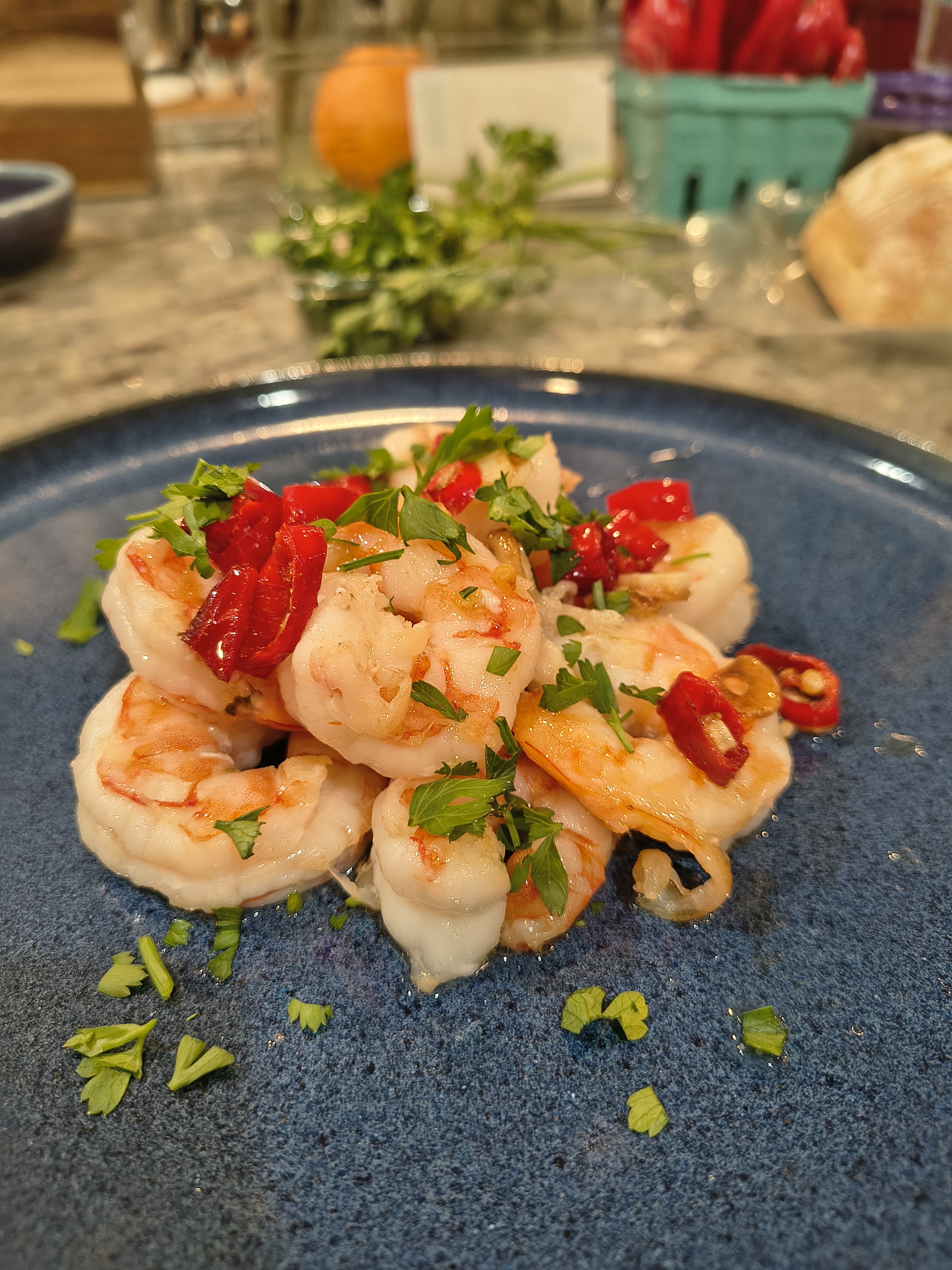
It is a beautiful autumn day. The sun shines bright. The leaves in shades of red, orange and yellow make that wonderful rustling noise as the wind blows. Hot in the sun and cool in the shade. Layering time in terms of clothes. Establishments near my work are all hawking pumpkin this and that. I love the brown-orange of the various drinks but I find them too sweet these days. This morning I looked in a new cookbook, by Jose Andres, and picked a dish I might try to cook tonight, garlic chicken … even though the fridge has much food inside some of which should be prepared soon. I’ve been tossing stuff into the freezer but it is a little packed now. I’ll be all set when winter comes and get socked in by snow. No need to go to the store that’s for sure. No, shopping is more a creative endeavor that I’ve described before. The book is very good, Spain My Way. Makes me want to travel there one day. With a proper guide of course. I’ve made some things. I like the tapas approach to meals right now. I’ve tried a few dishes and they’ve turned out alright. This is Gambas Al Ajillo (garlic shrimp).
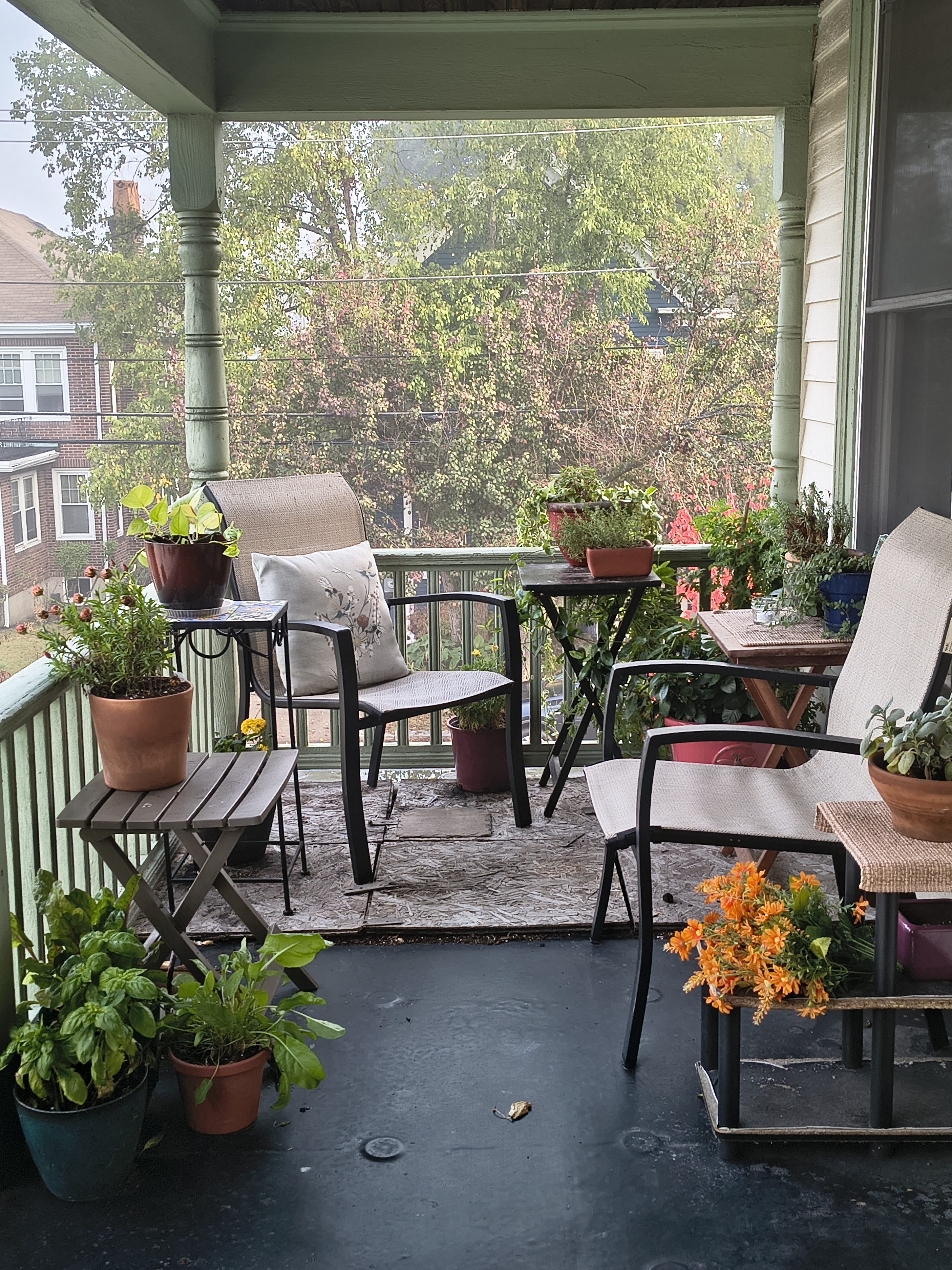
… if I had posted it would have been such a moody piece. The weather was so dark and gray and wet and cold. You get the picture. But today, this early morning, the sun is already cutting through the fog and leaves are being filled with light. I need to race into work but because there are some cold, cold nights coming up I’ve taken time to pick the last of the basil for a coworker. Plenty of green still growing on the porch though. I have already moved some things inside to overwinter. I just watered them. I have no idea why I’m protecting this chocolate mint but it sure does smell good when I brush against it. Okay, I’m running late. Have a good day, people. Onward!
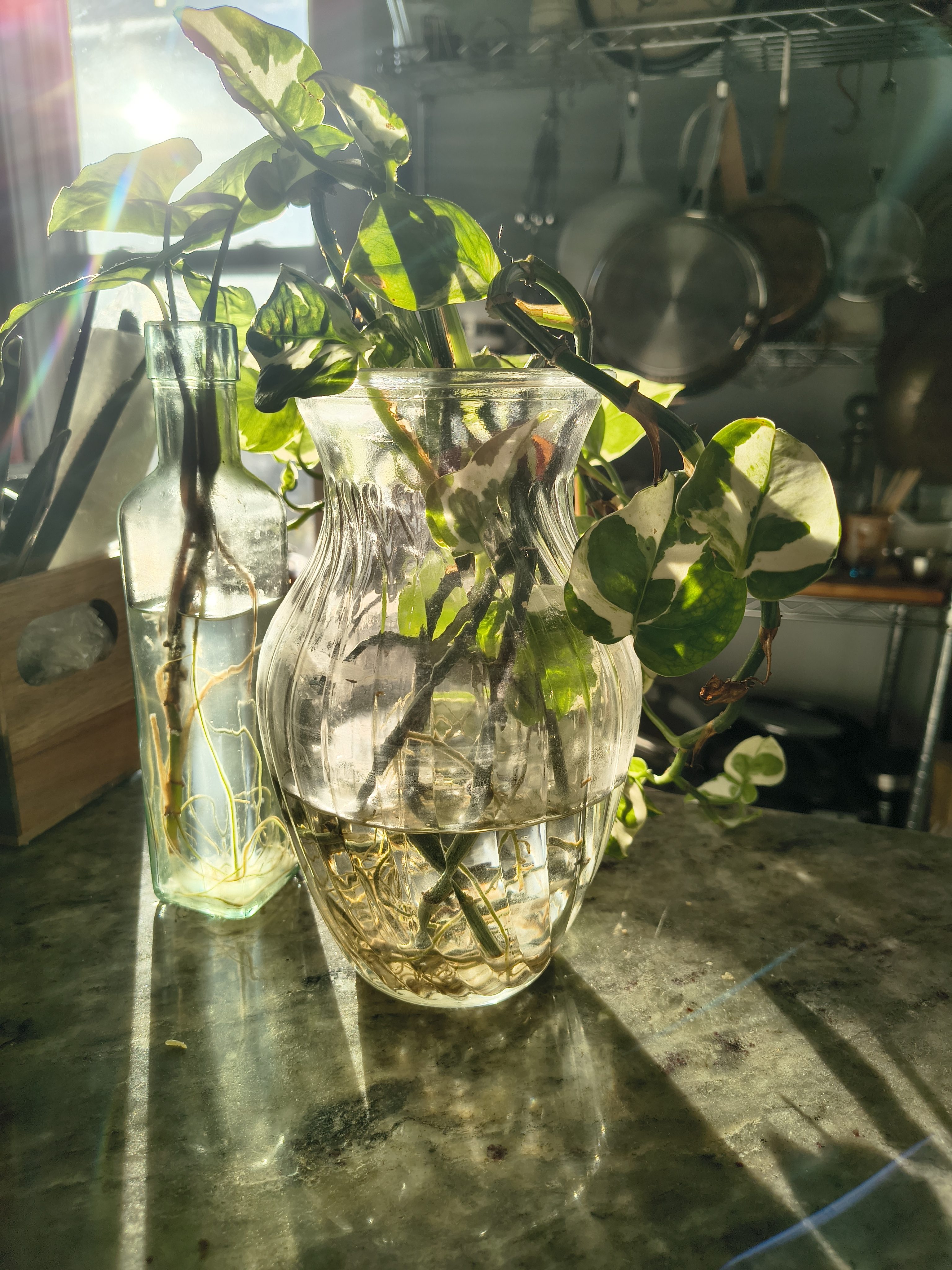
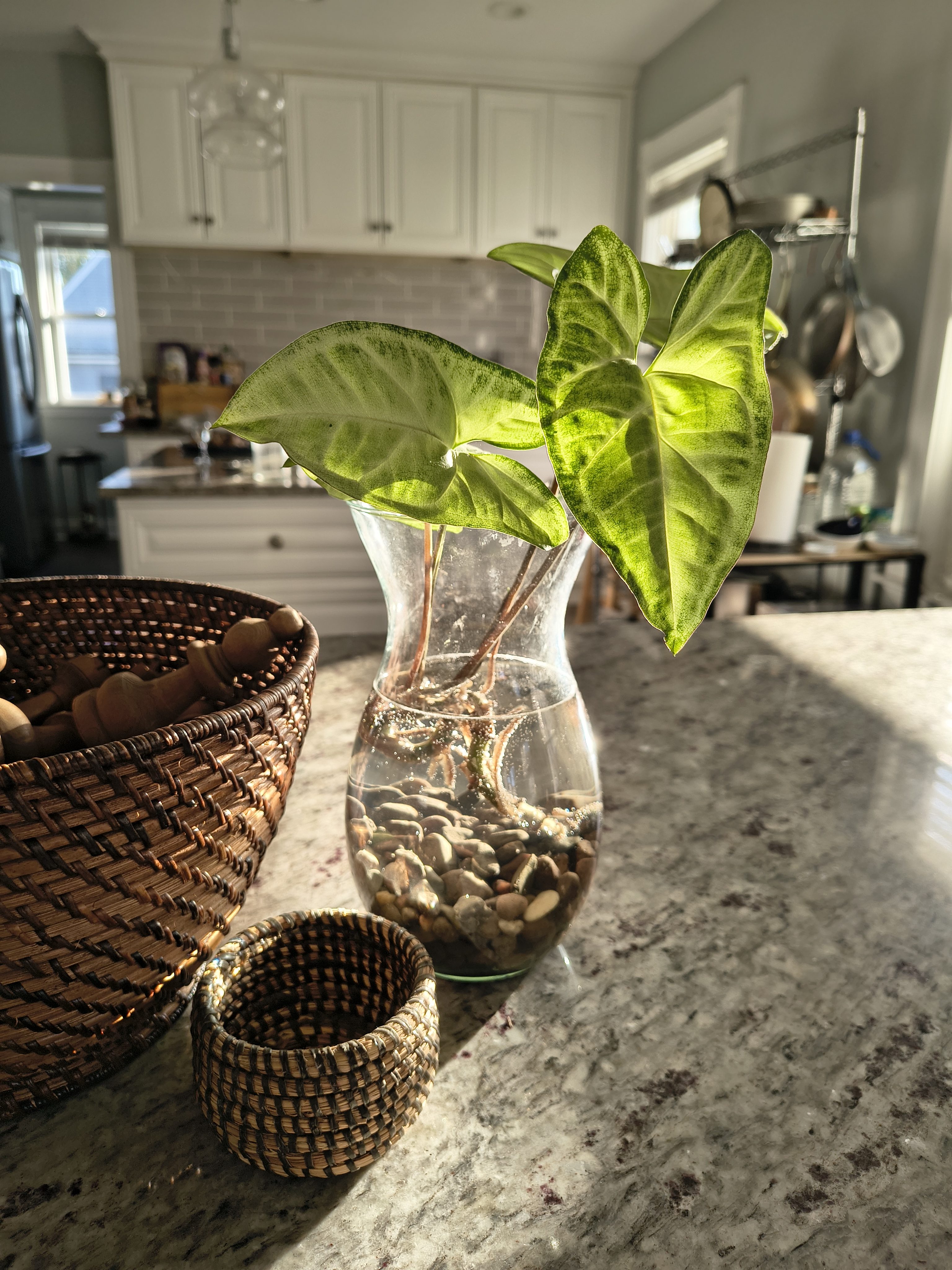
Trimmings from plants potted in soil. They seem to like the water. I suppose there is hydroponic gardening. Some nice healthy roots forming. We’ll see whether water or soil.
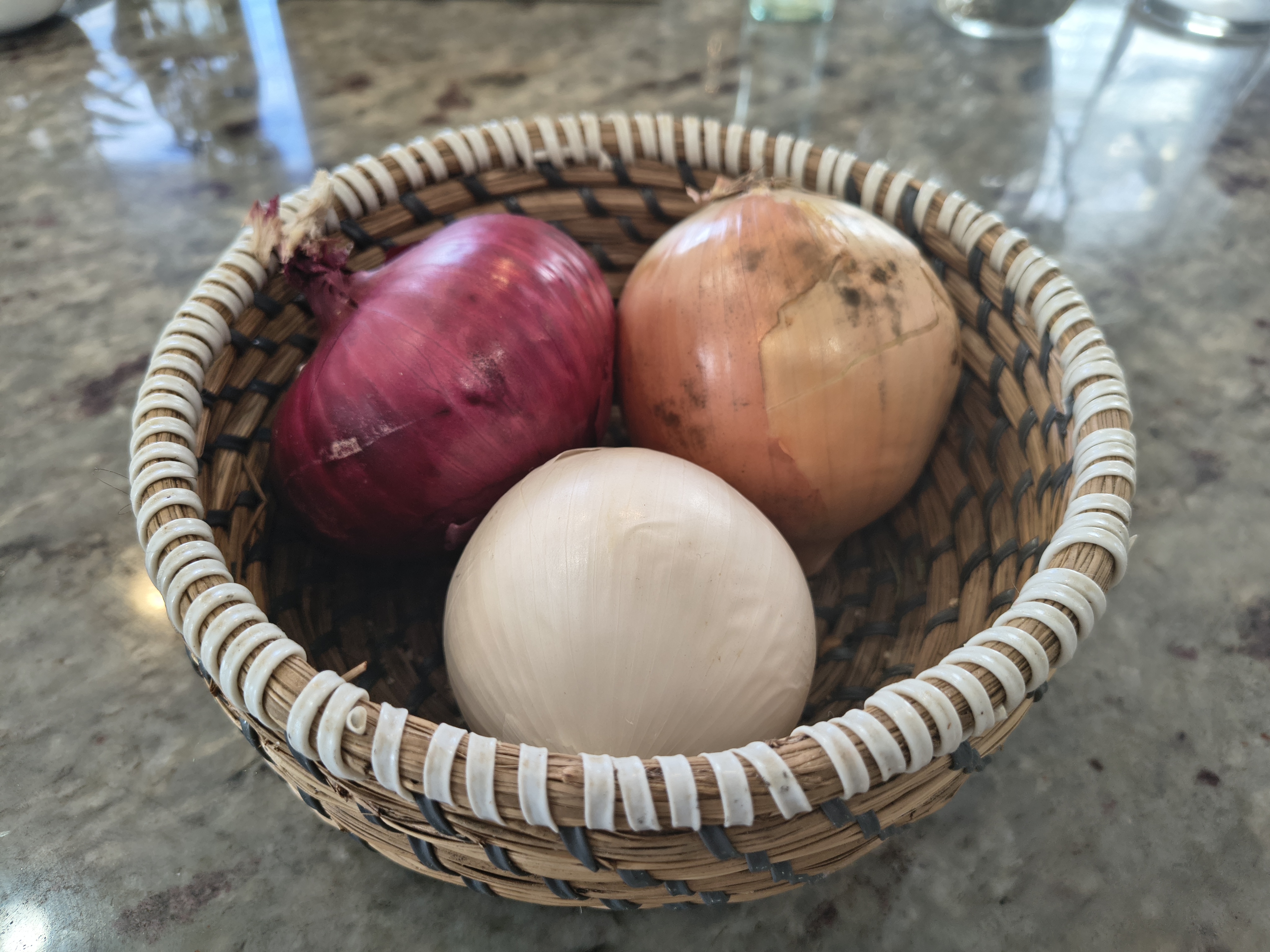
In Virginia I grew up eating yellow onions. I remember them as small and in a mesh bag. The ones I buy up here seem gigantic in comparison. My dad also grew them. My mom used them a lot in cooking, in soups and stews, roasts, fried potatoes, etc. And I think on occasion we had white onions, perhaps Spanish onions. My dad loved raw onions on top of his greens. He used to tease my mom by taking a big bite of onion and then trying to kiss her. I wasn’t too keen on raw onions but loved the aroma that filled the air as they cooked. As I grew up and made my way out into the world I was introduced to the great variety of onions and tastes and textures. But again mostly cooked.
Early in our relationship Steve didn’t so much woo me by taking me out to eat. He was more inclined to prepare a meal however humble. A favorite was simply toasted bread, rubbed with garlic, a protein of some sort, maybe his homemade mayonnaise and then toppings. I was used to tomatoes but one day, after a visit to the farmer’s market, he returned with some red onions. As he sliced them, they were beautiful but when he offered me a slice I politely declined.
“Try this,” he encouraged. He made one of his little open-faced sandwiches and placed the red onion slice on top. “Please.”
With a sigh, I did so, and then said, genuinely, “That tastes good!”
He looked at me and said with a weird sincerity. “I love you.”
Steve and I bonded over food and I think that’s why it is so hard to eat without him. I certainly do eat but I find that sometimes, especially when I am home alone, it helps to lean into the creativity and it is in that creation that an appetite forms. So it is to slice an onion and slow roast it so that the aroma fills the air as I prepare another part of the meal. It is to purchase those vegetables that Steve wasn’t so inclined towards, like cabbage versus his much-beloved brussel sprouts, sauteing spinach (he preferred fresh if he must) with garlic and red pepper flakes. Lots of pepper, black and jalapeno, in meals these days where appropriate. I need flavor. I still have a porch full of fresh herbs and they too provide inspiration that leads to creativity.
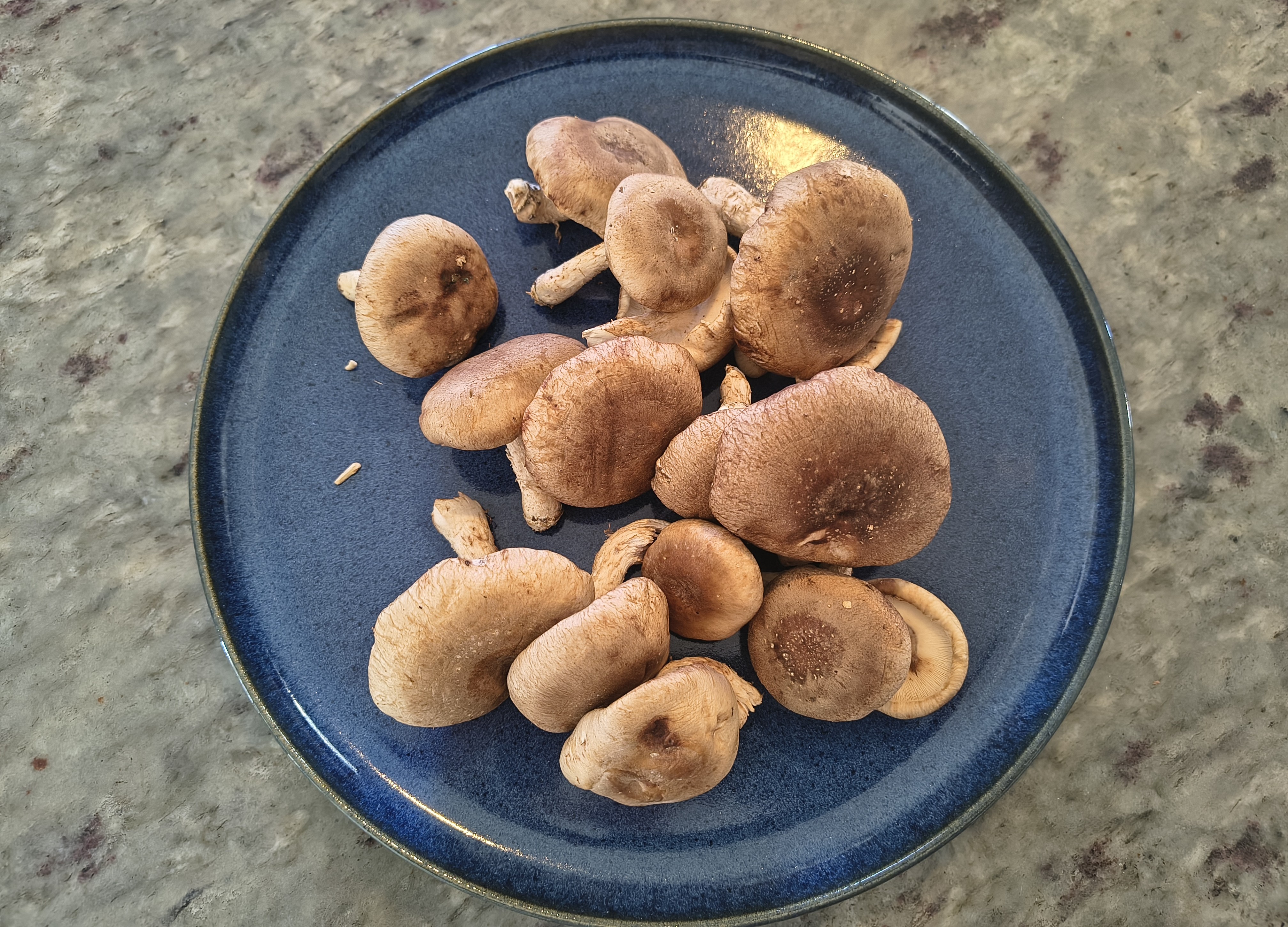
I did develop an appetite for mushrooms from him. And though in a previous post I called him stubborn for trying to continue thinly slicing his shitake mushrooms instead of a more rustic chop given his physical challenges, I do find myself in a quiet peaceful place when I now thinly slice the mushrooms and, yes, on occasion, I do smile.
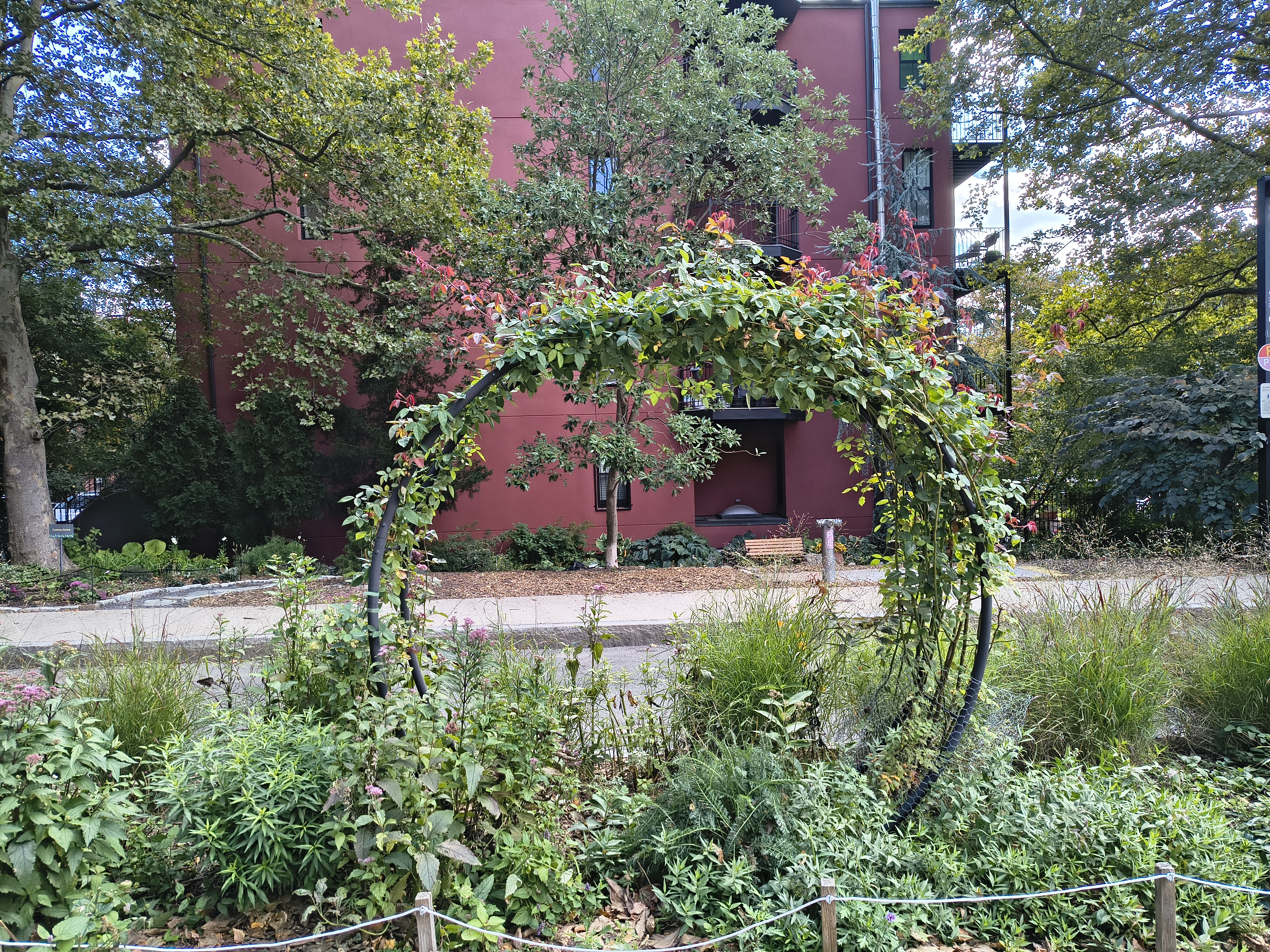
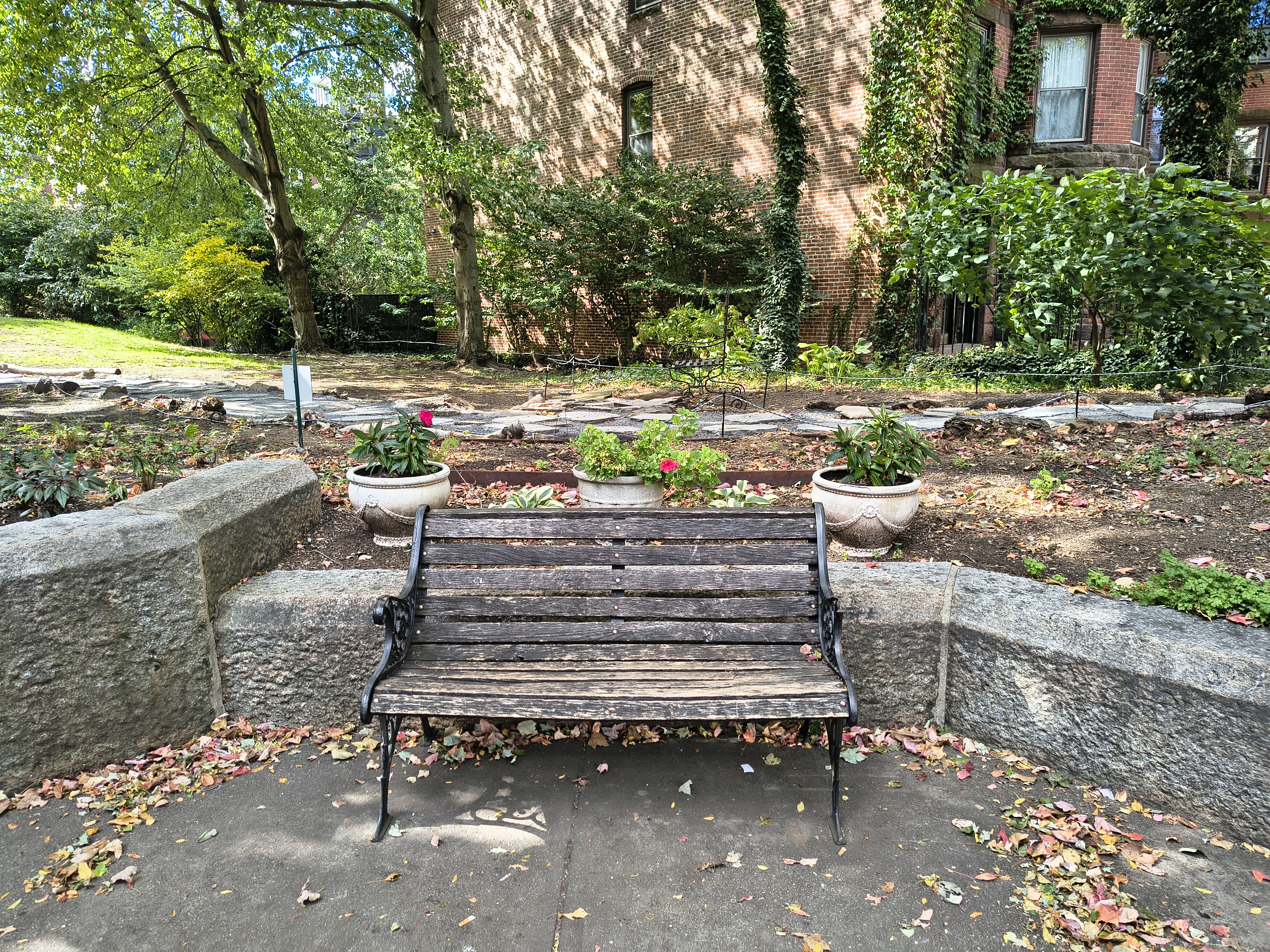
My mother used to say I could get lost in a paper bag. I truly have no sense of direction. Compasses are beautiful objects but I can’t use one. If I pay attention I figure out other ways to navigate. But searching for lunch today I didn’t pay attention and so I did become lost and saw some wonderful sights.
I made it back of course, my colleagues, none the wiser. It is not something to be planned but I do look forward to a future lost lunchbreak.
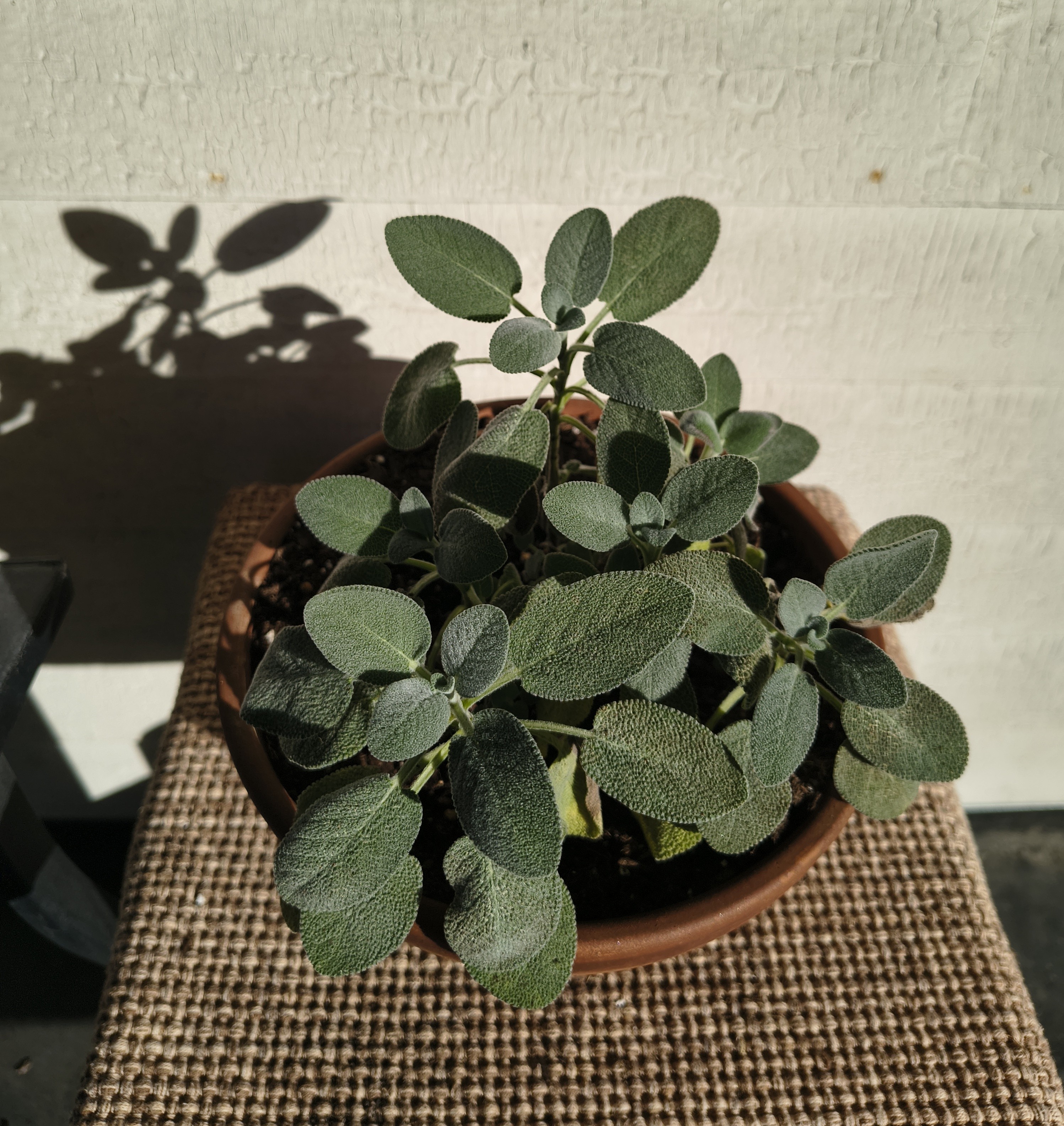
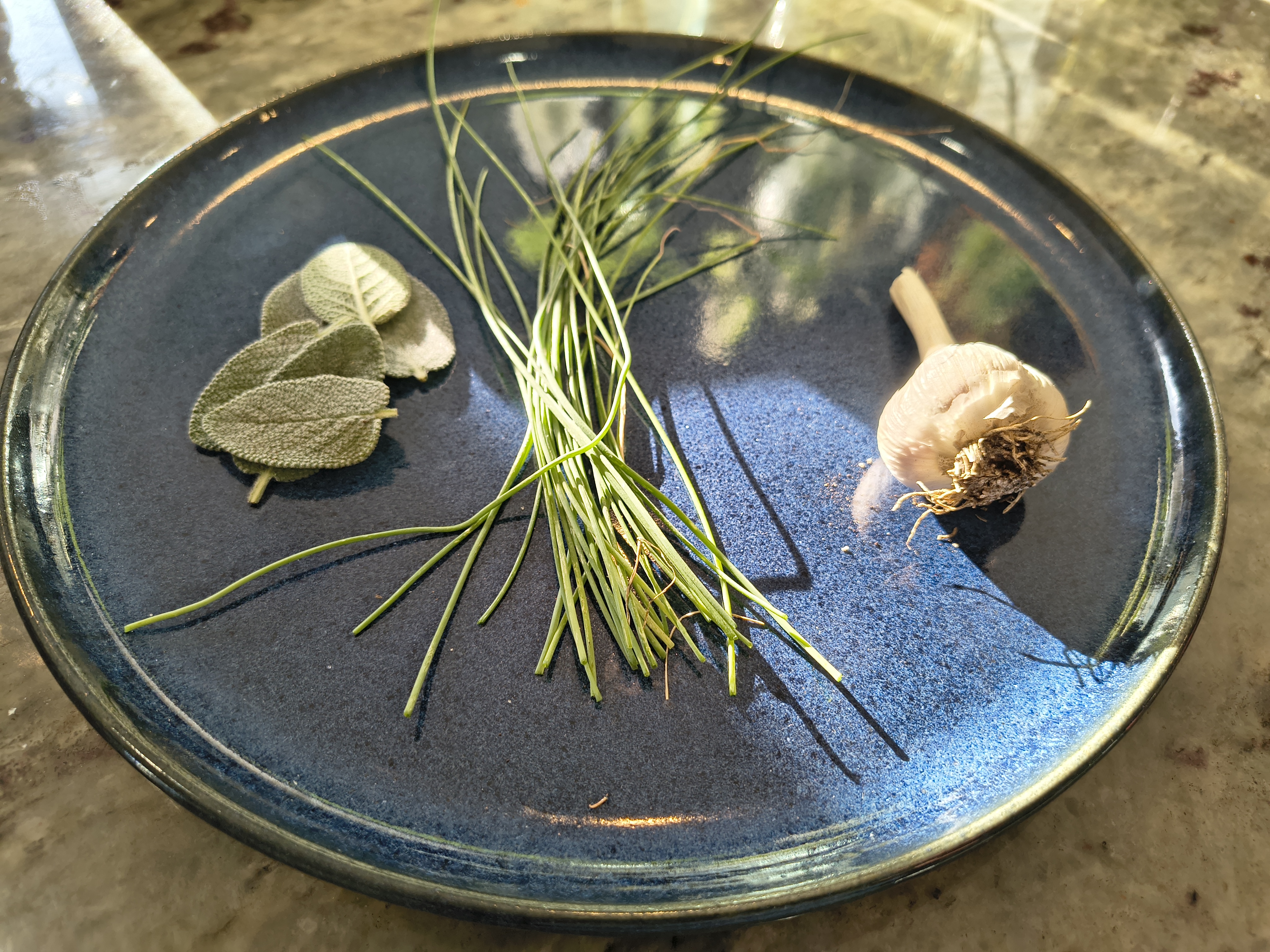
… chopped sage from the porch and garlic from the garden on top. That’s my plan for slow roasting the salmon tonight. And then I might top the finished dish with some fresh chopped chives from the porch. Hmmm. I really need to stop watching the cooking shows. Far too much inspiration. 🙂