Feeds:
Posts
Comments

Posts Tagged ‘culture’

The man with whom I am involved I tend to describe as a science guy who works with light.  He says that’s not quite accurate but it works for me.  Since the beginning of our relationship we have  shared many an illuminated experience that we have described quite differently.  There was the infamous halo around the moon.  I will forever describe sunlight on water as “dancing” but now I also see the resulting light-filled ripples as “caustic.”  Most recently we have talked of rainbows.

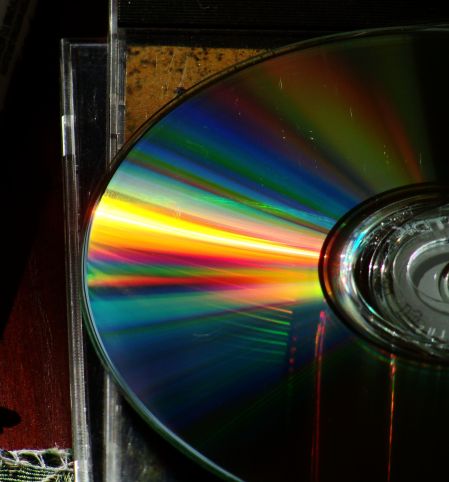
I see rainbows all around on earth.  I am amazed at the places I find them like on the back of this silver tray left forgotten in a corner closet.   Or the rainbows formed on the surface of CDs left out of their case on a table near a sunny window.
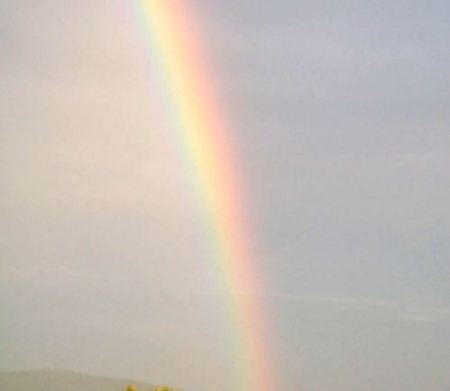
I see them less often in the sky mostly because I usually have my head ducked down in the rain. And that is the source of rainbows in the sky, my science guy reminded me at the dinner table recently, rainbows are formed by sunlight striking raindrops in the air.  White light is divided into all its splendid colors.  I listened attentively as he described how the water drops act as prisms, how light is refracted not reflected, and so on and so forth.  It was like a cool Cliff Notes version of The Science of Rainbows 101.
As the lecture wrapped, I stood up, my mind swimming with the science of it all.  Suddenly my guy added, “Of course, my dear, you do realize that there were no rainbows before Noah and his ark.”  He smiled gently.  “Or so that story goes.”  With an exaggerated sigh, I sat back down.  “Remind me of that story please.”  You see, my science guy’s bookshelves are not only filled with the science writings of Feynman and Einstein, they are also filled with the religious writing of Chesterton, Crossan and even a little Thicht Nhact Hanh.  It is amazing to walk in this world with this fellow (and with others) and to have my eyes and mind and even on occasion my heart opened to the different ways of experiencing the world, even something so seemingly simple as a rainbow.

Read Full Post »

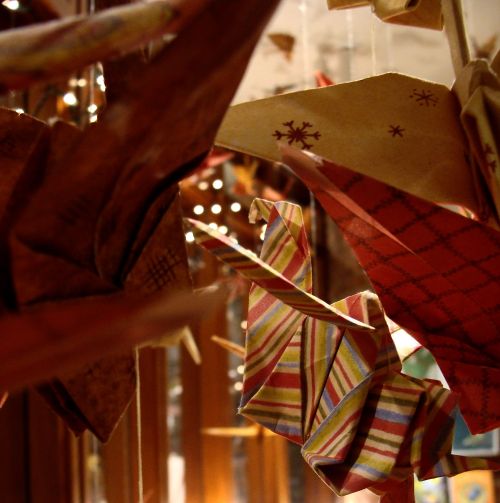
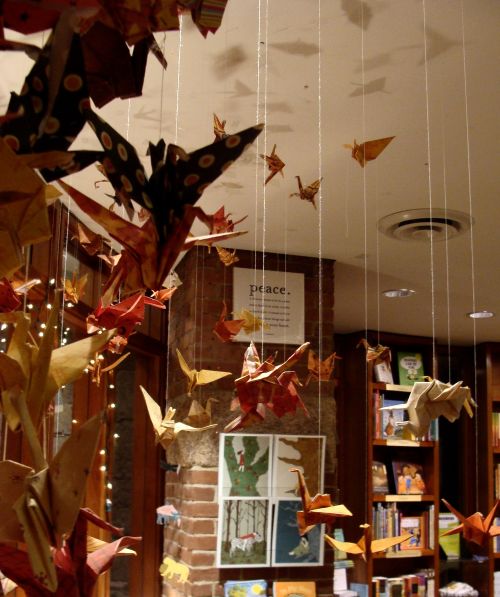
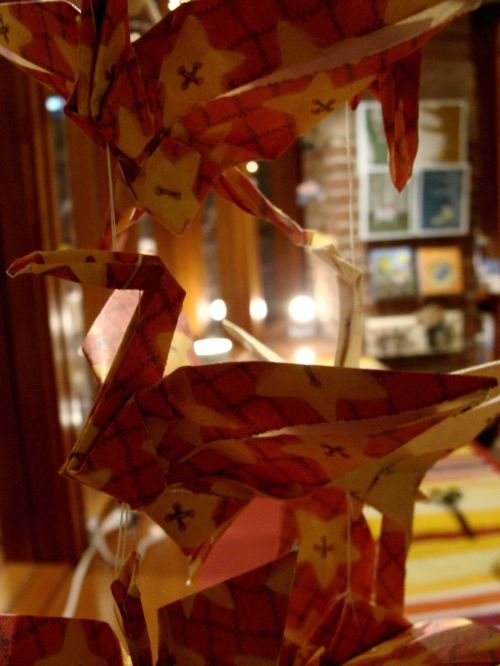
For a while, if you visit The Shop at Trinity Church in Copley Square, Boston, and wander over to the children’s section, you will see an array of paper cranes dangling from the ceiling…

… like a wave of birds in flight …

… colors bright and warm …

… shadows cast upon the ceiling in the wavering lights.

The birds were made by Anulfo Baez, a guest contributor on this site before.  Upon learning that Shop staff were contemplating a new window display involving birds, he donated his origami creations.  Several hundred in number, he had originally intended to make 1,000.  Do you know the lore surrounding One Thousand Cranes?

Even if you do know, read Anulfo’s story, One Thousand Paper Cranes for Japan.  While he did not reach his original goal, I think what he did create will bring a bit of brightness and joy into the life of anyone who has the opportunity to see his art repurposed.

Read Full Post »

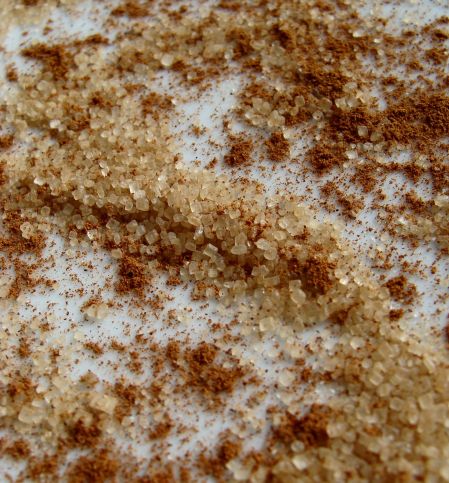
A friend recently invited me to attend a one-woman, autobiographical play called “Sugar” that focuses on diabetes and race.  As I read about the play, I kept telling myself that I had no personal connection to sugar aside from the couple teaspoons I put in my coffee in the mornings.  But in seeing the play, I was reminded that, as an African American woman of southern heritage, I do indeed have connections to the sweetener.  Mostly warm memories …

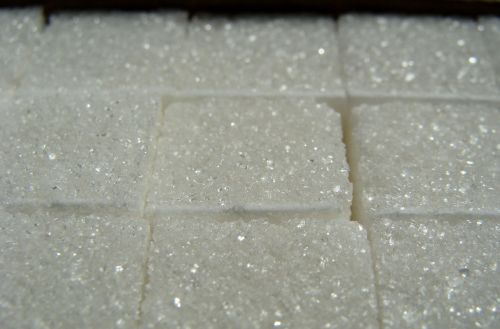
When I was a child, my mother used to keep sugar in a clear glass dish on the kitchen table.  When the sun hit the dish just right, the white sugar crystals inside sparkled like diamond dust.  My dad used to add several heaping teaspoons to his very small cup of coffee.  Often there would be a layer of caramel-colored  syrup left in the bottom of the cup.  I sometimes spooned it out and ate it as if it were coffee-flavored candy.

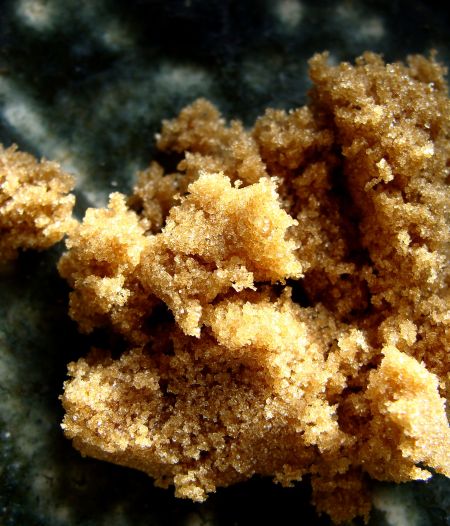
A small box of brown sugar was kept in a cabinet but it was rarely pulled out except during the holidays to make candied yams and various pies.  Confectionary or powdered sugar was used on occasion to make frostings until my mom decided she’d splurge on Duncan Hines.

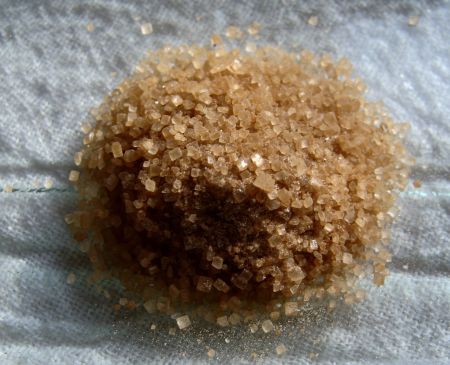
In college I learned that sugar was more varied than I had ever imagined and that it was especially cool to eat raw sugar.

I want to continue researching sugar, out of curiosity, and to see if perhaps I do have my own story to tell about the substance.  Meanwhile, I think I shall enjoy photographing the small particles in all its many forms.

Read Full Post »

One day at the church where I work part-time, a tourist handed me a wallet found on the front porch.  I glanced inside at the driver’s license.  I don’t remember the name on the card but I remember the owner’s image.  Handsome with thick dark hair and bright blue eyes.  I could see just enough of his shirt and tie to make me think he was a businessman of some sort.  I closed the wallet and tucked it into a little cubby until I could take it to lost and found.  Shortly thereafter, a man entered my area.  I smelled him before I saw him.  Not body odor, just stale alcohol.  His clothes were wrinkled and too big for his scrawny frame.  Thinning brown hair was slicked back.  The blue eyes were the same, though, gently electric.  In a slurred voice he thanked me and then left.  I had the luxury of sitting inside for the rest of the afternoon wondering what had happened to transform that man.  Was he homeless as I suspected?  What was his story?  Well, that story I may never know, and if I were to see him again I am not sure I would have the courage to ask.  But I am glad there are people in this world not afraid to ask like Mark Horvath.

On the street I saw a small girl cold and shivering in a thin dress, with little hope of a decent meal. I became angry and said to God; “Why did you permit this? Why don’t you do something about it?” For a while God said nothing. That night he replied, quite suddenly:

“I certainly did something about it. I made you.”

That is the opening quote on the About page of  Horvath’s InvisiblePeople.tv blog.  The invisible people to which he refers are the homeless.  And here are the links for the organization’s YouTube channel  and his more personal blog, HardlyNormal.  I hope you take time to watch some of the videos shot by Horvath as he interviews the homeless.  Once homeless himself after making some bad decisions, he has a knack for drawing people out of their shells and encouraging them to tell their stories in their own words without fear of judgement.  Please take a look and listen.

Read Full Post »

It might be the grandest of understatements to say that it is hard to discuss race and ethnicity in the United States.  It does not matter that we have an African American president.  It does not matter that there are African, Latino, Asian and Native American politicians at all levels from city clerks to state governors.  It does not matter that some of the highest paid athletes,  musicians and actors in this country have some tint to their skin.  Huck Finn by Mark Twain is still banned in many American schools, except for a sanitized version that removes the word “nigger.”

A good friend of mine called a few months ago to tell me that she was giving up her subscription to a popular runner’s magazine.  Now this friend is a marathon runner.  It is hard to describe how important running is to her spirits.  Why was she giving up this treat to herself?  Because while the articles were fine she was tired of never seeing anyone in it that looked like her.  My friend is a beautiful dark-skinned African American woman.  After talking with her I paid more attention to the magazines surrounding me in the checkout line of the grocery store, and certainly in the bookstores.  I challenge you to take a closer look when you go to these places.  What do you see on the covers? Beautiful women for sure … and beautiful women who all look the same week after week.

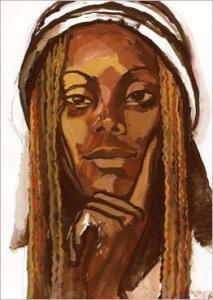
It’s easy to say the right words:  We are all equal.  I treat everyone the same.  There is equal opportunity.  There will be no discrimination of anyone based on skin color, gender, etc.  It is easy to say those words.  And then there is what we do and there is what our children see.  And right now there are too many children who do not see themselves reflected in the every day world around them.  Obama is President but most children are not interacting with the President every day.  Their sense of self  — their sense of beauty — is being shaped by what they see revered on tv, in the movies, and yes, in magazines.  People far more eloquent than I have written on this subject, and I hope they continue to do so.  As for what sparked this morning’s post …  Chancing upon the following images by French artist Titouan Lamazou, and wondering sadly why images of such beautiful women are so rarely found outside of an art gallery.

By the way, the photograhs in this post are of my skin.  Nothing racy, just a shoulder.  A brown shoulder. 😉

* Shoulder Series Images by SFH

* Lamazou images can be found at Nouvelle Images and his website here.

Read Full Post »

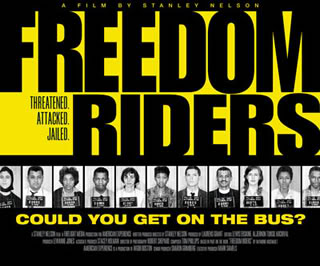
PBS advertised The Freedom Riders for so long and with such intensity that I knew exactly when it was premiering on television … and I wasn’t sure that I wanted to see it.  I mean, the advertisement seemed to tell the story.  Groups of well-meaning black and white people rode buses through the Deep South in 1961.  They were heckled or worse.  In time things changed.  Done.  But life is never that simple.  And if there is one adage I believe above all others it is this:  If you do not remember the past, you are doomed to repeat it.  So I watched it.

Nothing compares to hearing history retold by the actual participants in the events, from the students on the bus to the then-governor of Alabama.  It becomes clear what a complex web history is as all the names of the day are mentioned:  Jimmy Hoffa who refused to let his union drivers drive the buses once the buses became targets for white mobs, John F. Kennedy and Robert Kennedy who were trying to juggle international and domestic events and just wanted the riders to stop and go home, Marting Luther King Jr. and other high level civil rights leaders who also wanted the riders to stop in the beginning, and on and on.   Ah, the deals that were made and the lies that were told.  But above all else what stands out in this amazing film is the courage of the men and women who took part in this protest, a protest that evolved quite a bit over time.

Of course, in the end, this is a story with uplift.  Perseverance pays off.  I, as an African American woman in 21st Century U.S.A., can travel anywhere I like by bus or any other mode of transportation.  In fact, in 2005, before I ever knew of the freedom rides, I did travel solo around the Deep South by bus and train. Still, I am left with questions after my first viewing of the program.

Throughout the program we hear first-hand remembrances of the riders, politicians, and a few local residents.  I’d be interested in hearing the reflections of the men who made up the attacking mobs in the various cities.  Do they feel any different, fifty years later, about what took place?  If circumstances allowed, would they repeat their actions?  If yes, why?  If no, why not?  The most nagging question I have is for my parents.  In 1961, they would have been married and begun raising a family.  How is it that they — and so many other people like them — could experience such denigration throughout their lives, be habitually treated as second-class citizens or little better than animals, and still somehow choose not to plant seeds of hatred in the hearts of their children for their “oppressors?”  I think that must take courage, too.

Read Full Post »

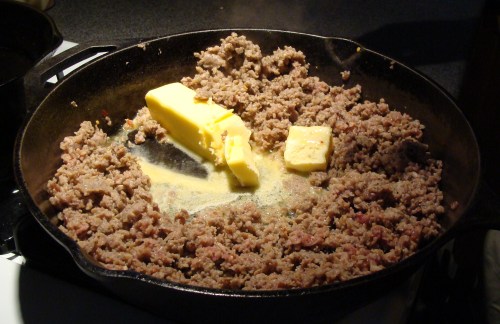
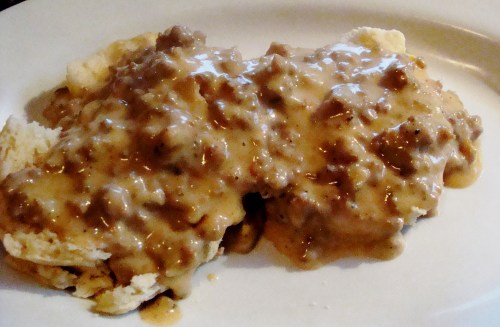
Though I grew up in the South, and my mother cooked in the southern tradition, I must admit that I gasped when Jay added a whole stick of butter to the pan of browning Jimmy Dean sausage.  For years, Jay had been offering to share his mother’s biscuits and gravy with Steve and I.  And finally last week we took him up on his offer.  The basic recipe …

* In a cast iron frying pan, brown one pound of  sausage.

* Once the sausage is nearly browned, add the stick of butter.  Let the butter melt.

* Toss in some flour. The flour browns in all that buttery goodness.  Pour in some milk.

*Add some spices (e.g. cumin or chili powder or whatever you want). Then, the secret ingredient is added.  Molasses! Have you ever heard of such?  Keep cooking until the gravy is thick and golden brown.  Stir occasionally.

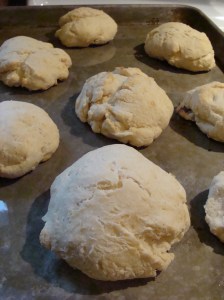
As the concoction bubbles, whisk up some drop biscuits.

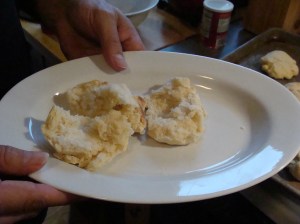
Once biscuits have browned, split one open on a plate and ladle on the gravy.  Simply delicious.

Read Full Post »

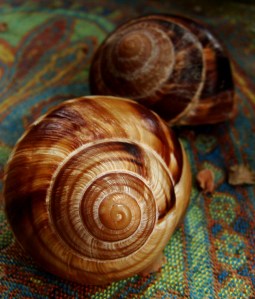
Two days ago I found myself in a Whole Foods hungry and in a mood where I guess I was open to trying new things.  I passed the seafood counter and noticed large brown escargot available for 79 cents each.  Never had ’em before.  Never wanted ’em before.  But that day I bought two.  Not bad.  I might try them again.  I’ve been lucky throughout my life to have the opportunity to experience new foods.  In Thailand I was served fresh jumping snake by hillside villagers.  In Montana I had my first and so far only taste of bison.  Currently I live adjacent to neighborhoods with restaurants representing just about every culture in the world.  I can’t always afford to eat in them but I can certainly press my face to their windows.  Window shopping is what I primarily do at one particular store  in my area that is famous for its meats, cheeses, oils and pasta from around the world.  I am used to viewing  on its shelves kangaroo, Kobe beef, ostrich, rabbit, venison, bison, frog legs, duck and every now and then plain ol’ chicken.  I have come to expect the “exotic” but I did not expect the lion.  In fact, I thought the label on the package had a typo.  But the butcher made clear that there had been no typo.  The store was indeed offering up African lion by the steak.
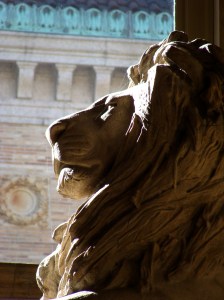
A gentleman standing next to me said softly, “I don’t know what to think about that.”  Many days later I’m not sure what to think either.  When I speak about this with other people, the ensuing conversation has little to do with legalities or food safety.  It quickly becomes a conversation of ideology about food and perception of the lion.  Just as I had been curious about the taste of snails, there were people I spoke with who were curious about the taste of lion.  Other people were enraged at the thought that such a majestic predatory beast was being served up … like deer.  And there were others who were saddened to learn that an animal so important to the culture of a people (the Maasai) was being “farm-raised” so to speak for American palates.  Everyone with whom I spoke were meat-eaters.  And they all recognized that for every point they made, there was a counter point.  So, at present, I’m left with feeling that it all just comes down to perspective, understanding what I value about my food and why, and being open to engaging with others about their beliefs.

Read Full Post »


In an article titled “Reading for Fashion,” Stan Tymorek writes of clothing inspiring poetry and of poetry inspiring clothing design.   Near the end of the article he makes note of “… the elaborate Japanese geisha costumes that still manage to mirror nature.”


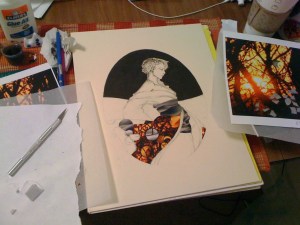
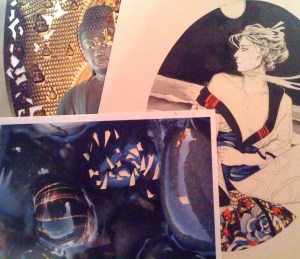
Well, the kimono robes that  Zoe is creating as part of our collaboration do more than mirror nature.

Each geisha kimono is partially composed of nature photography — the images printed on acid free paper and then applied as dictated by Zoe’s overall design.  Once completed, her two geisha will represent the span and overlap of all four seasons.


Here’s snow I photographed one winter in Newton, MA forming the belt of one kimono.

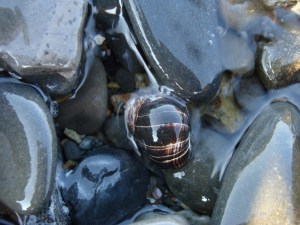
Here’s a shell photographed in summer off the coast of Maine fleshing out the petals of this kimono’s rose.

With each new image she shares with me, I grow increasingly inspired by Zoe’s unique expression of the geisha and the elaborate design of their attire.  I consider myself a patient person but I am humbled by her ability to meticulously make her creative vision real … piece by tiny piece of paper.

View the completed artwork in just two weeks at Somerville Open Studios.  Zoe will be joining me at my table, located in the Center for Arts at the Armory, 191 Highland Avenue, Somerville, MA 02143.  Who knows? We may be able to share highlights of our next collaboration. 😉

Below is the link for general visitor information.  Hope to see you there.

http://www.somervilleopenstudios.org/visit/


Read Full Post »

“The poet is an anomaly in our culture.  The goal of our culture is money and power.  And that’s not exactly what poetry is about.  What is it about?  That’s a hard question.  It’s about anything the human mind and unconscious can produce.  And that’s infinite.”

Read Full Post »

« Newer Posts