Hi, all. I have a new article posted on the lovely website Creativity Portal.com. Check it out and let me know what you think. Meanwhile, wherever you are in your day, I hope all goes well! 😉
To Define or Not to Define: That is the Question
Posted in Contributing Writer, Inspiration, Kitchen Inspirations, Nature Notes, Photography, Publication Updates, tagged beauty, creative writing, creativity, food, Inspiration, nature, Photography, photos, pictures on July 18, 2011| Leave a Comment »
Hi, all. I have a new article posted on the lovely website Creativity Portal.com. Check it out and let me know what you think. Meanwhile, wherever you are in your day, I hope all goes well! 😉
To Define or Not to Define: That is the Question
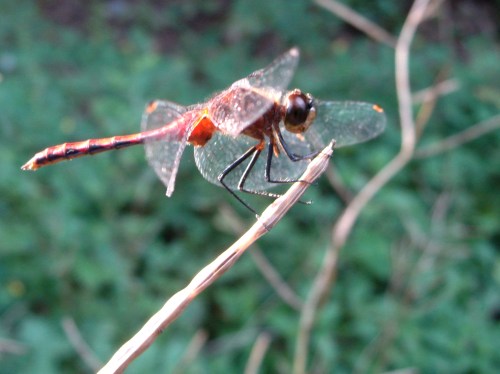
Posted in Inspiration, Nature Notes, On the Road, tagged Brooks Estate, dragonfly, Medford, nature, Photography, photos, pictures, red on July 18, 2011| Leave a Comment »
Posted in Branches, Inspiration, Nature Notes, tagged environment, fern, gray, green, nature, Photography, photos, pictures, stone on July 12, 2011| Leave a Comment »
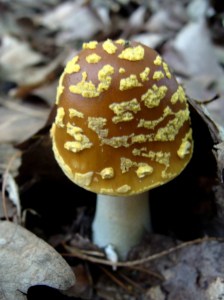
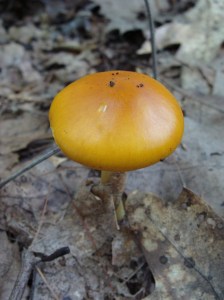
Posted in Nature Notes, On the Road, tagged Chelmsford, fungus, Lime Quarry, mushrooms, nature, Photography, photos, pictures on July 10, 2011| Leave a Comment »
Posted in Inspiration, Nature Notes, tagged Boston, Charles River, feathers, nature, Photography, photos, pictures, Public Garden on July 6, 2011| 1 Comment »


Between meetings today, I was able to stroll through the Boston Public Gardens. As I rested in the shade of a willow tree by the pond, mallards waddled by on land while a majestic white swan glided by on the water. My hands were busy stuffing lemon ice down my throat (so hot here!). By the time my hands were free, all that was left in my vicinity were feathers.

Posted in Branches, Guest Contributor, Inspiration, Nature Notes, On the Road, tagged horizontal symmetry, landscape, nature, perception, Photography, photos, pictures, reflection, vertical symmetry, water on July 5, 2011| 2 Comments »
Recently Steve shared pictures from a trip abroad. Dreamy images of a Canadian landscape with narrow strips of land separating sky and water. Beautiful images to be sure, but what made them truly fascinating was Steve’s perspective as he shared them. He suggested in terms of their display the images should be rotated 90 degrees thus highlighting what he had been trying to capture — the reflection of the landscape in (often) still waters creating perfect symmetry, i.e. use the vertical line, not the horizontal, to heighten the viewer’s experience of the reflection. See what you think. 😉
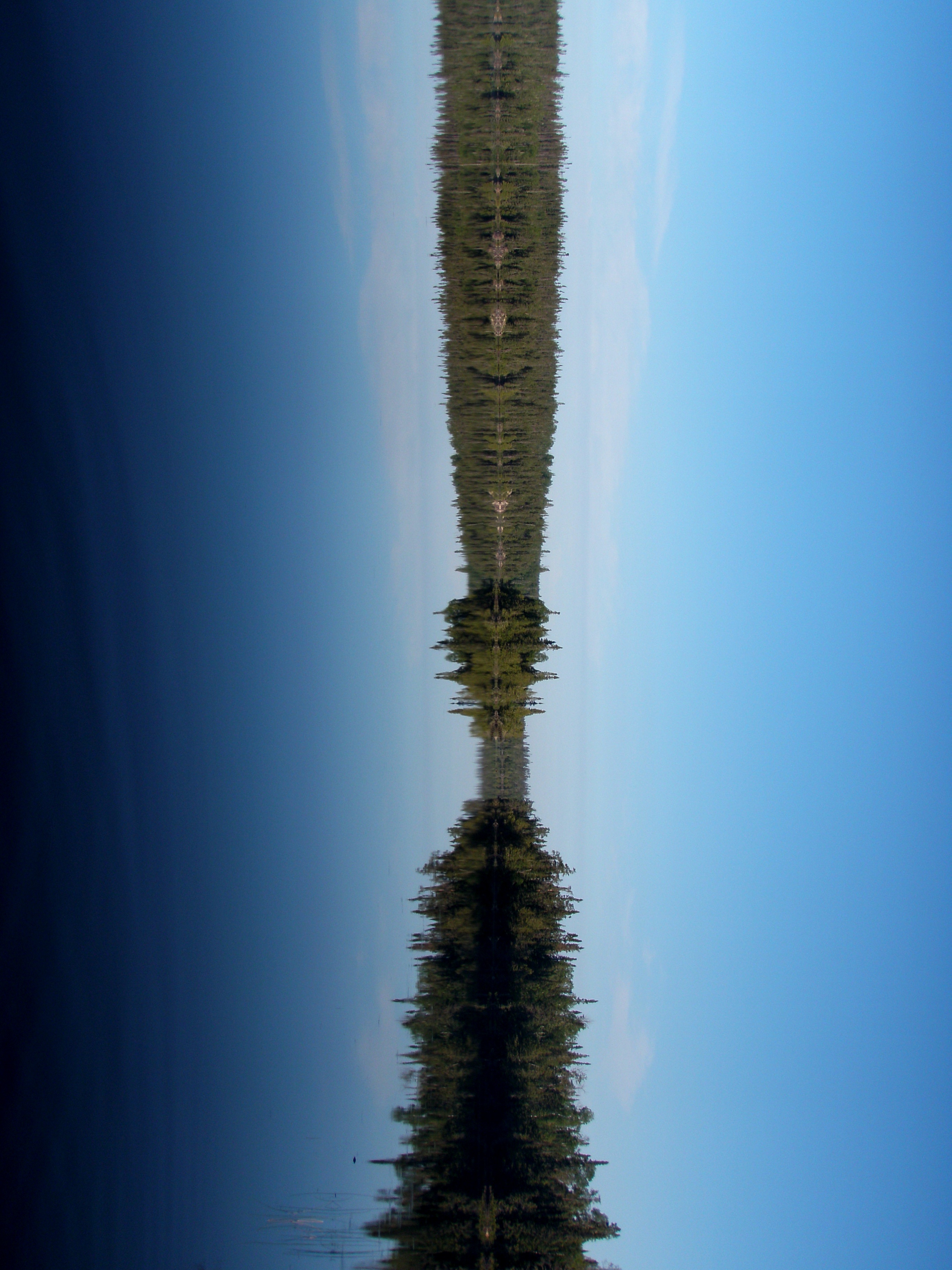
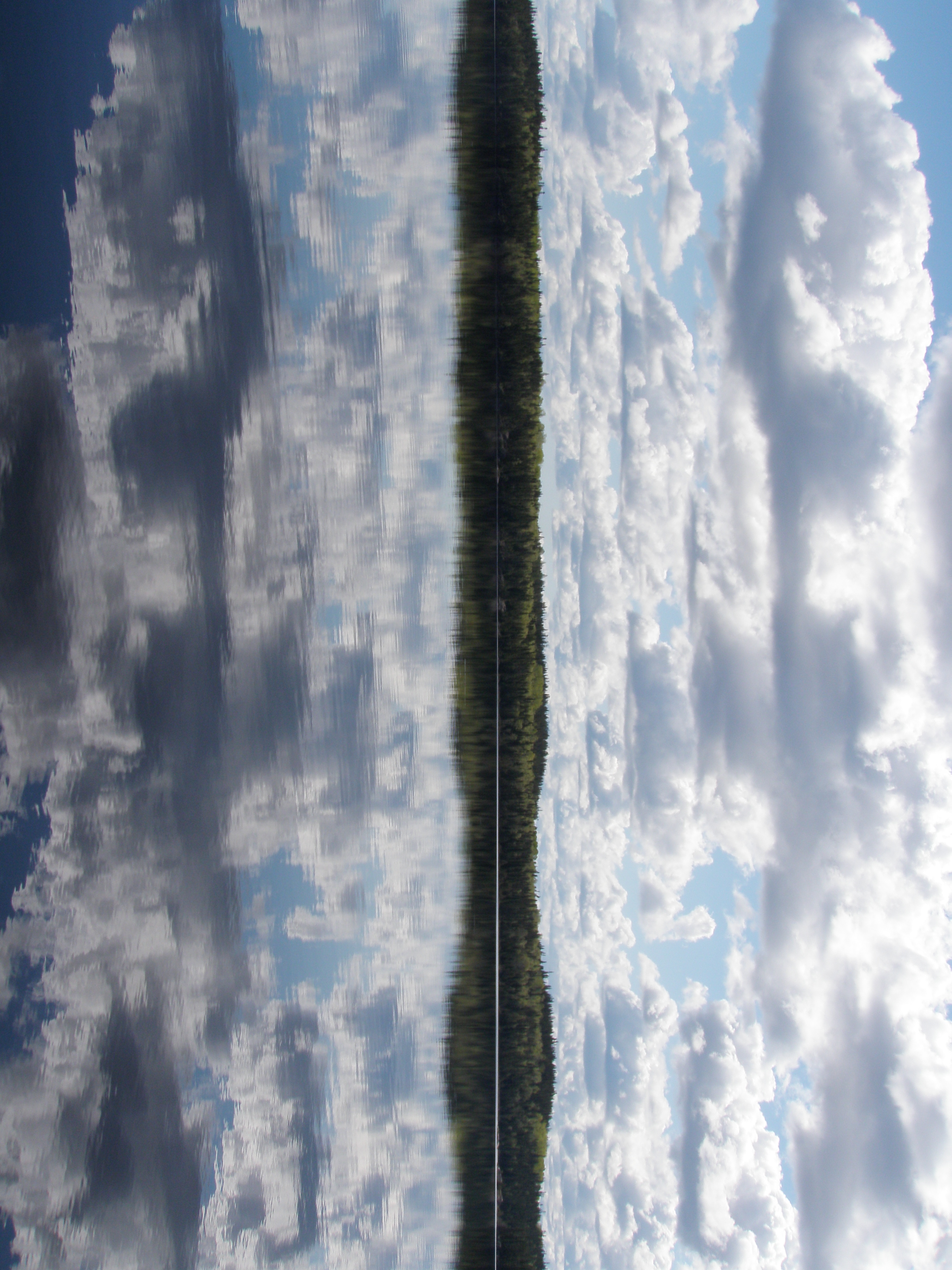


I must admit, as I viewed some of these images at their new orientation, I began to “see” complex and rich structures that had nothing to do with their actual subject matter (trees, water, sky). I especially thought of the green man in the woods figure with this one.

What do you see?
Posted in Inspiration, Nature Notes, tagged garden, nature, Photography, photos, pictures, Somerville, sunflowers on July 3, 2011| Leave a Comment »
Posted in Branches, Nature Notes, tagged green, life cycle, nature, Photography, photos, pictures, plants on July 1, 2011| Leave a Comment »
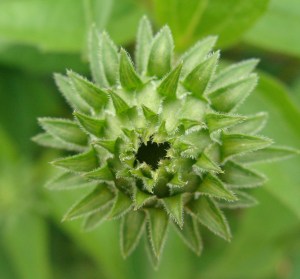
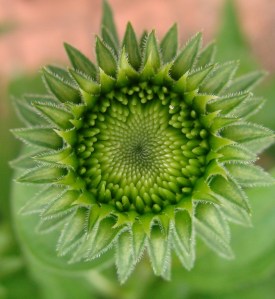
A single plant. Several stages of development. An unexpected find in a local park while out for a stroll.

Posted in Branches, Inspiration, Nature Notes, tagged nature, Photography, photos, pictures, shadows, silhouettes on June 29, 2011| Leave a Comment »
I have a good friend who is working on assignment out west near the Grand Canyon. Occasionally, she will call in to describe the wildlife that she is seeing at dusk and dawn and all hours in between. This morning she left a message about five large elk silhouetted against the evening sky. Later, as I went through my image archives, I found myself being particularly drawn to those subjects cast in shadow. Here are a few that jumped out at me.


Posted in Inspiration, Nature Notes, tagged Cambridge, flowers, gardens, nature, Photography, photos, pictures, roses on June 20, 2011| Leave a Comment »