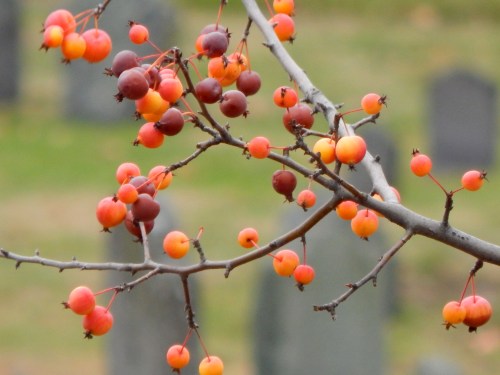
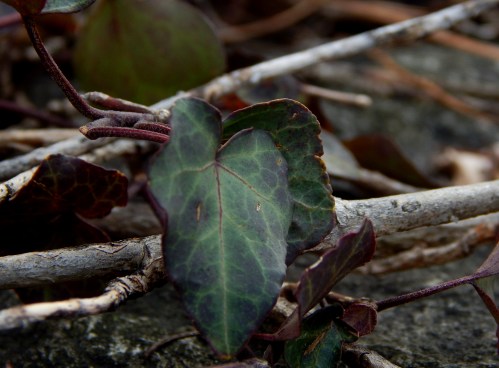
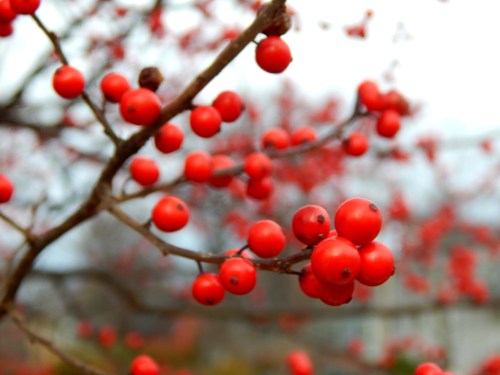
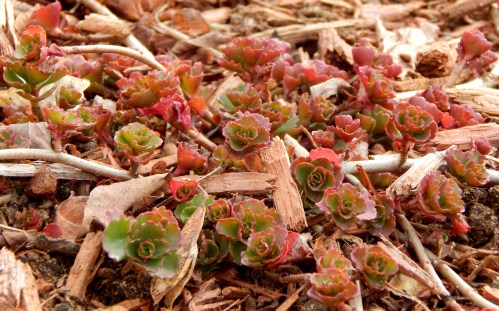
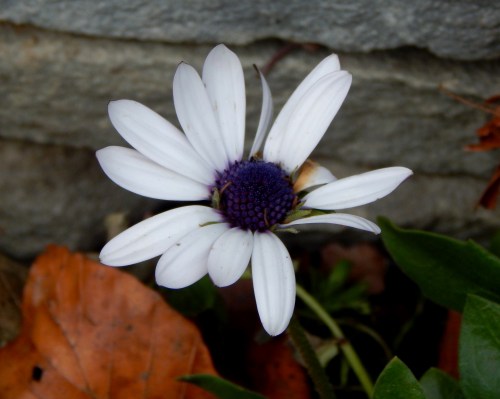
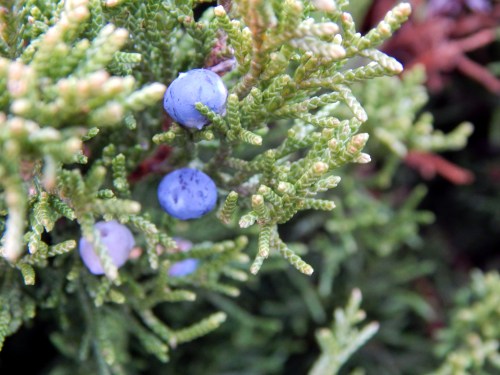
Even on a gray day in Cambridge and Somerville, the colors were popping out.
Posted in Branches, Inspiration, Nature Notes, On the Road, tagged beauty, colors, Inspiration, nature, Photography, urban landscape on December 21, 2015| 3 Comments »
Posted in Guest Contributor, Inspiration, Nature Notes, tagged Back Bay Fens, bohemian style, creativity, family, friendship, gifts, Inspiration, Justina Blakeney, life, nature, perspective, Photography, storytelling, the Fens, urban landscape on December 20, 2015| 3 Comments »
Lin A. Nulman is an Adjunct Professor of English at Bunker Hill Community College. Her poetry has appeared in Black Water Review, Tanka Splendor, and the anthology Regrets Only: Contemporary Poets on the Theme of Regret, among others. Lin puts her heart and soul into teaching and while I’ve yet to take a formal class, I have felt a student. In her own unique ways, she has challenged me to both appreciate and expand upon the work that I do as writer and photographer. It’s with pleasure I share Lin’s words and images about her grandmother, a great influence in her life.
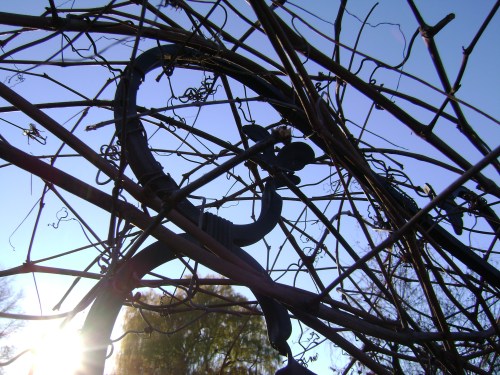
photo by Lin A. Nulman
“Oh, you see one tree, you’ve seen them all,” a woman once said to my grandmother, who had just remarked on a tree she found beautiful. Gram repeated the comment throughout my childhood as “the saddest thing I ever heard anyone say.” I think so, too, and I’m thankful for the gift of knowing why.
We took walks when I was a little girl, and even not so little, in our neighborhoods and on the beach. Often Gram would stop to look at something commonplace, such as weeds in a patch by the side of the road. Isn’t it amazing, she would say, how Nature creates so many shapes of leaves in just this one place?

photo by Lin A. Nulman
Eventually I reached the age of impatience with what grown-ups noticed that wasn’t rare blue beach glass or a good climbing tree. But even when I felt impatient, I knew I could see what she was talking about. I don’t know if Gram believed in God, certainly not in a kindly God, but she did deeply believe in Nature, wonderful and endlessly giving. If you looked at it that way. And I do, and I have to, despite all the other ways my eyes still need to open. Her view was one of my starting places, creatively and spiritually.
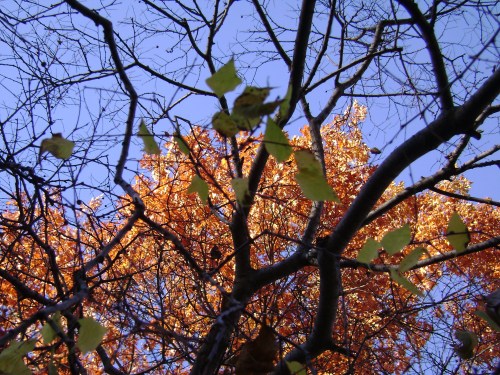
photo by Lin A. Nulman
Recently a latent love for bohemian style has sprouted in me, thanks in part to author and blogger Justina Blakeney. I stay up too late turning pages of her new book and feeling out of breath. Justina defines bohemian style as the product of “a creative life and an active engagement in the search for alternative ideals of beauty…Our worldly collections are as eclectic as we are…Decorating is about feeling free, having fun, rejecting traditional notions about what goes with what…and getting a little bit wild.” [I’m quoting from her introduction to The New Bohemians: Cool & Collected Homes. UNputdownable.]
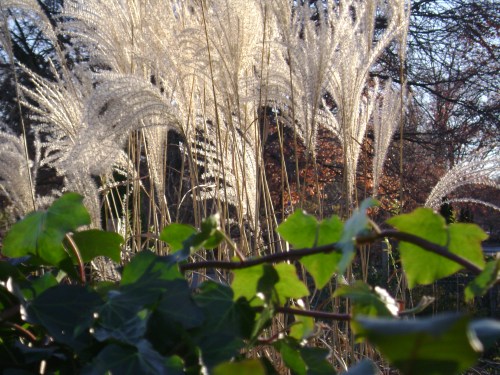
photo by Lin A. Nulman
Even my 1906 copy of Putnam’s Handbook of Etiquette warns New York High Society about the habits of “Bohemia”, over there in Greenwich Village, beyond “the borders of wise convention”, definitely over the edge and unacceptably wild.
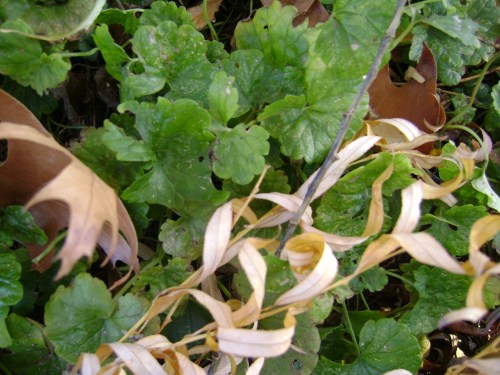
photo by Lin A. Nulman
Her book was in my mind recently on a walk through the Fens, one jewel in the Emerald Necklace of green spaces that loops through Boston. It has a wide area of community gardens, where dozens of people fulfill their own visions with flowers, trees, bushes, berries, vegetables, bamboo, grasses, and leafy plants. It is a wonderful place to open my grandmother’s eyes, to see the shades and shapes Nature creates in just one corner of a park, sometimes helped along by a little human artistry: a painted gate, a statue, a purple disco ball. On this walk, my looking as I was taught to look revealed Nature, to my joy, as The First and Ultimate Bohemian. Everything goes with everything, so feel free and always be a little bit wild.
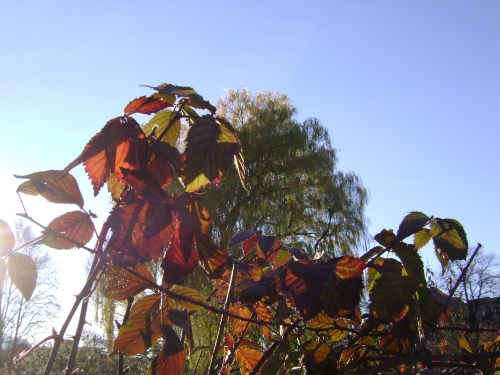
photo by Lin A. Nulman
I challenged myself to photograph the gardens in December, without most of the flowers to help, and still found colors and forms running madly, beautifully together, eye-catching contrasts of silhouette, especially as I lost the light, and small places full of texture and depth. Thanks, Gram.
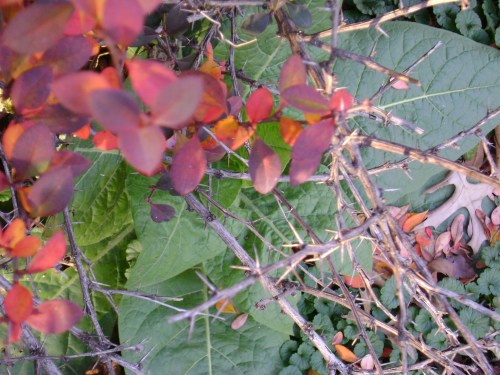
photo by Lin A. Nulman
Please look for my blog, The Creative Part-Timer, in early 2016.
Posted in Inspiration, Nature Notes, On the Road, tagged beauty, birds, bridges, czech republic, Inspiration, monuments, nature, Photography, prague, statues, travel, urban landscape on November 13, 2015| Leave a Comment »

… these along the famed Charles Bridge.

You can learn a bit more about the Charles Bridge here: https://en.wikipedia.org/wiki/Charles_Bridge.

There were so many people massed about the statues along the Charles Bridge, photographing the statues and the birds, that I began to train my camera into the surrounding landscape.

And then in quiet spots I’d train my camera on the statues once more.

It must be one of the most photographed and painted places in the world. Even if you aren’t able to visit yourself, there are many beautiful images out there to be viewed in books and online. Enjoy.
Posted in Branches, Inspiration, Nature Notes, On the Road, tagged colors, dublin, Inspiration, ireland, nature, Photography, st. stephen's green, travel, urban landscape, water on November 10, 2015| Leave a Comment »
Posted in Branches, Inspiration, Nature Notes, tagged brown, colors, encouragement, gold, grasses, Inspiration, light, nature, Photography, urban landscape on October 30, 2015| 2 Comments »
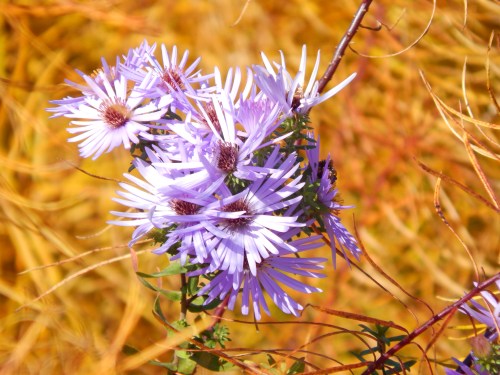
Posted in Inspiration, Nature Notes, tagged autumn, beauty, colors, gold, Inspiration, light, nature, Photography, purple, urban landscape on October 27, 2015| 1 Comment »
Posted in Branches, Inspiration, Nature Notes, tagged abstract, autumn, beauty, butterflies, colors, insects, Inspiration, light, nature, Photography, reflection, refraction, storytelling, urban landscape, water on October 27, 2015| 2 Comments »
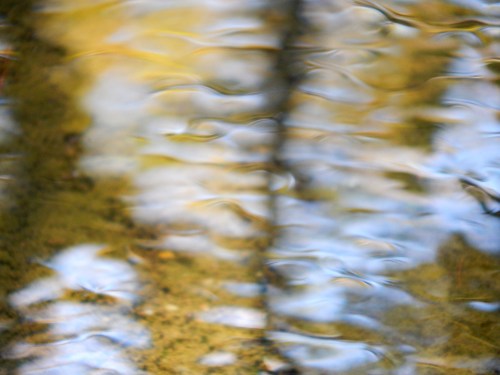
Water flowed across the asphalt, a broken pipe perhaps. In the bright light of the day were reflected the reds, greens, and golds of the overarching trees, and the thick dark lines of the neighboring fence.

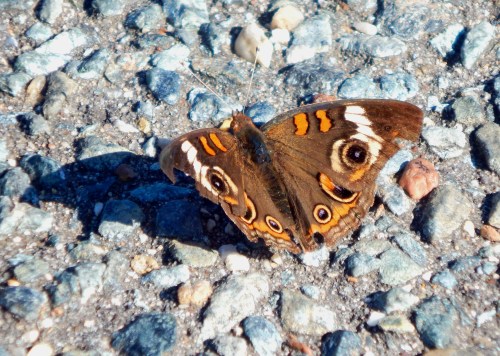
And nearby a butterfly perched, the brightest one I’ve seen all year.
Posted in Branches, Inspiration, Nature Notes, tagged abstract, African American artists, art, Inspiration, nature, Photography, seasons, urban landscape, windows on October 13, 2015| 2 Comments »
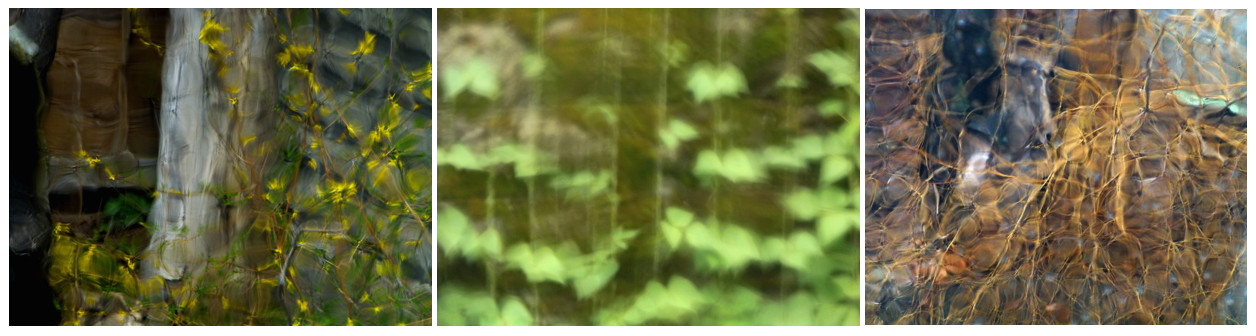 Three seasons viewed through one rippled window. These were the three images selected for the upcoming Riverside Gallery annual exhibit, African American Artists – Passion for a Lifetime. The exhibit opens with a reception on Sunday, November 8th, 3:00-5:00 PM, and will close January 24th. FYI, each print (11 x 14) is separately framed (16 x 20).
The Riverside Gallery is located in the Cambridge Community Center at 5 Callender St., Cambridge, MA. Hope you’re able to attend and spread the word to friends and family in the area. Take care!
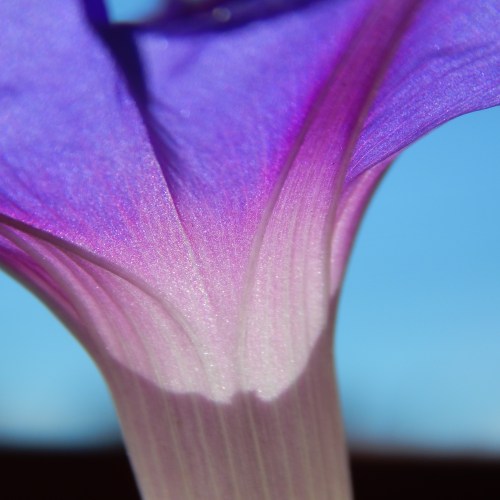
Posted in Branches, Inspiration, Nature Notes, tagged beauty, color, flowers, Inspiration, light, morning glories, nature, Photography, urban landscape, vines on October 13, 2015| 3 Comments »
Posted in Branches, Inspiration, Nature Notes, tagged abstract, caustics, experimentation, fun, Inspiration, music, nature, oak tree, Photography, physics, poetry, refraction, science, silence, sunlight, time, urban landscape, videography on October 12, 2015| 2 Comments »

Caustic in Black & White 1
Okay, I first remember reading about John Cage in a story by Alex Ross of The New Yorker. The piece opened with a description of the 1952 performance of John Cage’s composition, 4’33”, which turned out to be four minutes and thirty-three seconds of silence. It’s a bit more complicated than that, or maybe not, but you can read more via this article link. John Cage and silence came to mind recently because I was sharing a video I’d made with the physicist in my life and when I asked him what piece of music should I pair with these images, he suggested, “soundtrack by John Cage.”

Caustic in Black & White 2
At first I thought he was kidding. There had to be a short classical piece to fit the light and motion so reminiscent of northern lights. When I’d asked him what music to pair with a short video of sunlit water flowing over rocks, he’d suggested Faure’s Requiem in Paradisum. Now he recommended silence? On my own, I found Bartock’s Evening in the Village. I tried the pairing. He appreciated Bartok but he still favored Cage. I read a bit more about Cage, his compositions, his performances, his poetry … an interesting man to say the last.
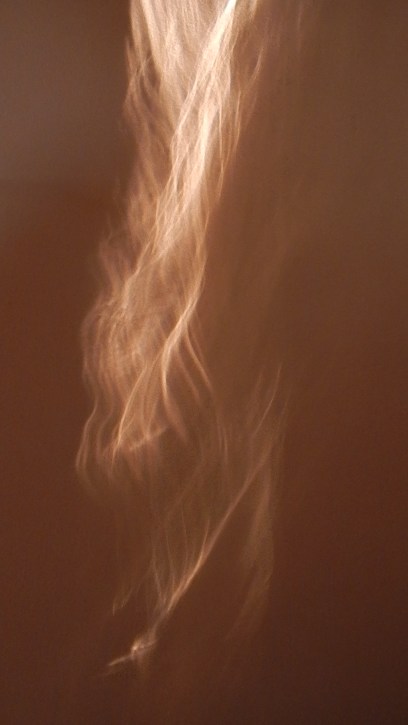
Caustics in Color
So what I captured on the wall one morning took place in less than four minutes and thirty-three seconds. It involved a rippled window, a different one in the house. Light shone down through the gaps in the leaves and branches of the oak tree that towers over the house. That light made its way through the glass refracting through the ripples producing a dynamic pattern of caustics on the wall. Most often that pattern of light is static but this particular morning the wind was blowing. The branches and the leaves they moved creating what that physicist described as “a pattern of illumination that varied in space and time.” It was a good moment inspiring some experimentation as you can see in the video below. The flickering on the wall is as it happened … in less than four minutes and thirty-three seconds.
A Silent Dance from Cynthia Staples on Vimeo.




 Words + Images