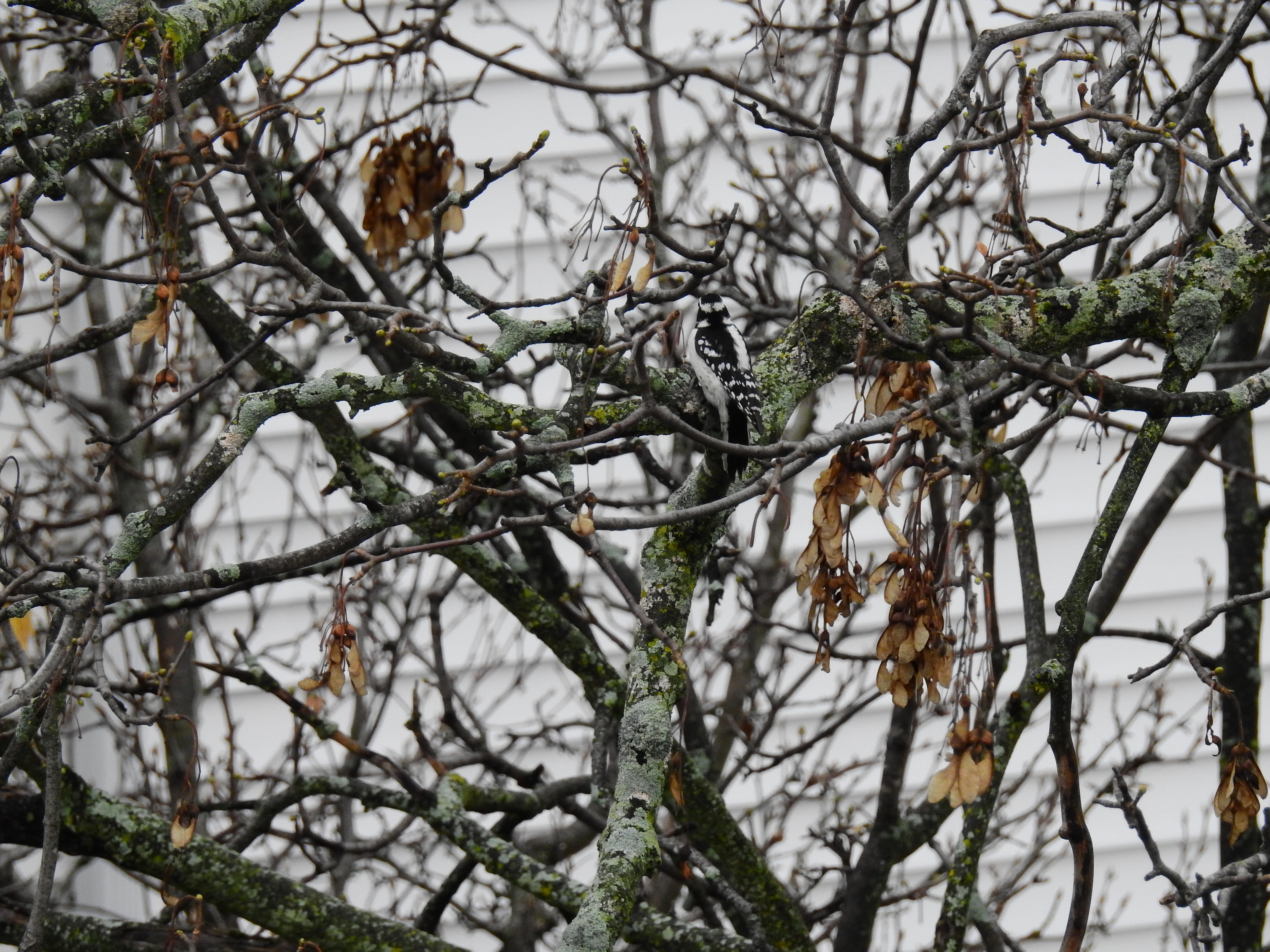

Posted in Branches, Inspiration, Nature Notes, tagged birds, Inspiration, nature, Photography, trees, urban landscape, urban nature on November 29, 2020| 4 Comments »
Posted in Branches, Inspiration, Nature Notes, tagged nature, Photography, squirrels, urban landscape on November 29, 2020| 2 Comments »

Posted in Branches, Inspiration, Nature Notes, tagged autumn colors, autumn light, beauty, Inspiration, nature, Photography, sunlight, sunset, trees, urban landscape on November 23, 2020| 3 Comments »
Posted in Inspiration, Kitchen Inspirations, tagged beans, family, Inspiration, legumes, memories, nostalgia, Photography, southern culture, storytelling on November 12, 2020| Leave a Comment »
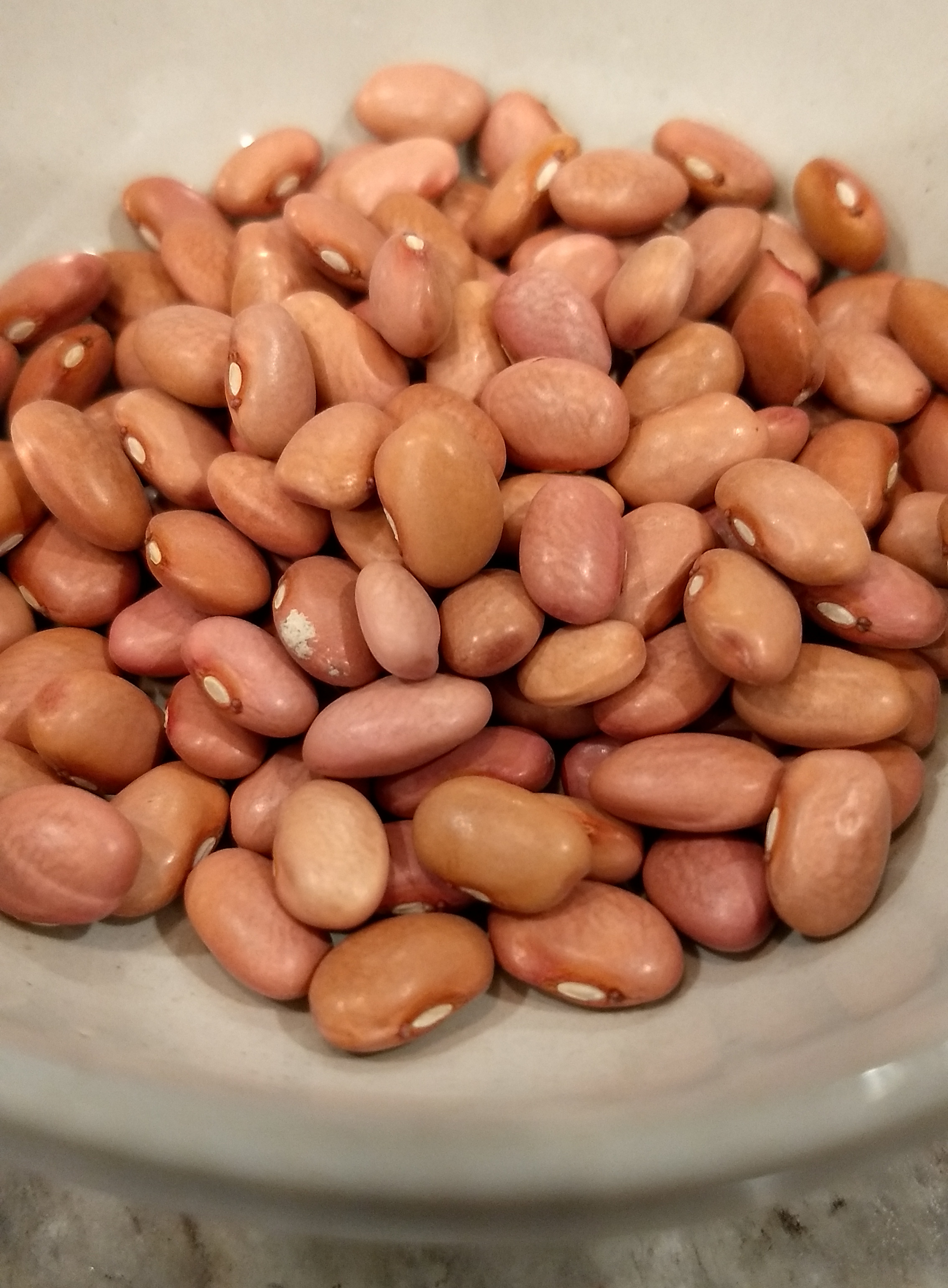
Pinto beans simmering in a pot with a ham hock and bay leaf. To my young mind, those beans seemed to cook all day. Then we ate it served over white rice. My father and I had sweet tooths. We spooned sugar on top of our beans and rice. It is the only dry bean I remember my mother cooking. I heard about red beans but she only cooked pinto (except, I forgot, for the black eyed peas you have to cook to ring in the New Year). I don’t remember if there was a particular day of the week for cooking beans and rice. For instance, pot roast, baked chicken, baked rice pudding, for example, they were Sunday foods, something special. I suspect beans were a weekday food because she could put the pot on the stove on a low flame and do all those other household tasks. Kale or collard greens might be served on the side. Probably mustard greens, too, but I didn’t like her mustard greens (another dish where my father would sprinkle some sugar). I remember the taste of kale seasoned with pork and spooning the potlikker that was left in the bottom of the pan. Once my younger brother was banished from the table for doing something rude and so I had the potlikker all to myself. That little hellion came up behind me and tossed in a handful of food scraps meant for Fuzzy, our dog. I was furious but I stilled loved him afterwards. That was in Virginia. Forty years later living in New England I’ve learned to play with my beans, making bean salads, mixing the colors and textures, sometimes getting so caught up in “painting” with the colors — red, white, black, green — that I lose sight of taste. But I have not done a thing with pinto beans. Until now. Why now? Because the Whole Foods shopper substituted a can of pinto beans for my requested can of white beans. The can is sitting on the kitchen counter. It makes me smile when I look at it. Soon I’ll open it. Served on the side will likely be kale cooked with olive oil and garlic. Brown rice most likely. No sugar anymore. Just good food and good memories to share.
https://www.theatlantic.com/health/archive/2009/04/potlikker-from-slave-plantations-to-today/7129/
https://www.thespruceeats.com/your-black-eyed-pea-questions-answered-1640029
Posted in Branches, Inspiration, tagged beauty, birds, compassion, dark humor, forgiveness, Inspiration, kindness, peace, Photography on November 10, 2020| Leave a Comment »
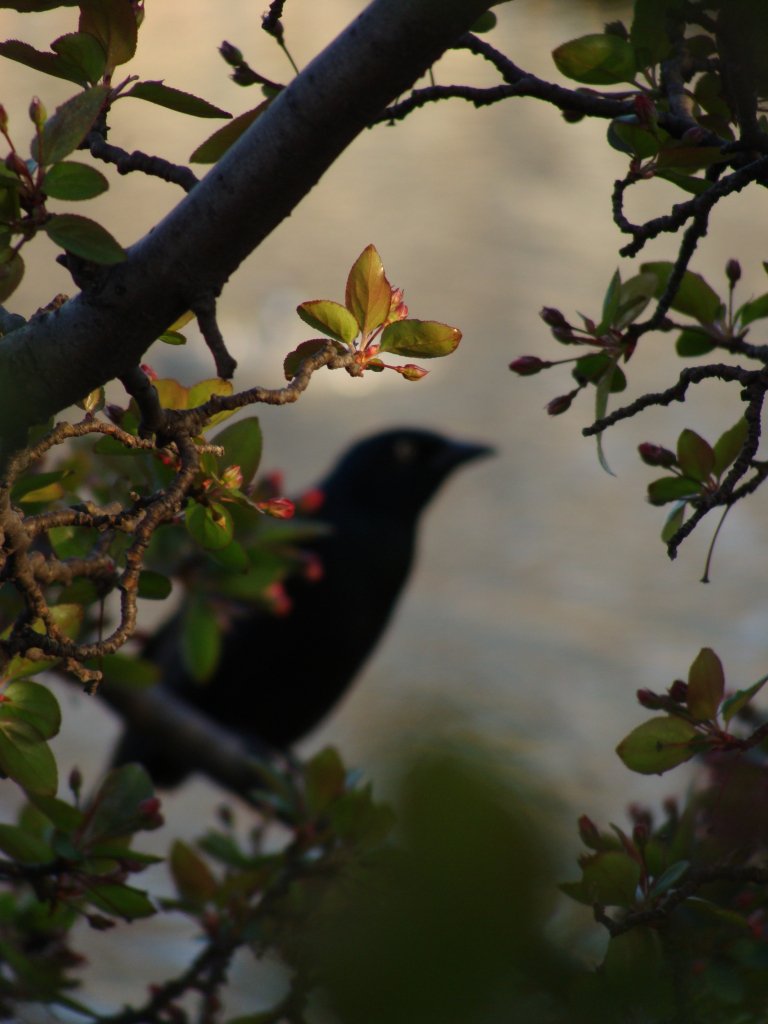
“Life is short, and we do not have much time to gladden the hearts of those who make the journey with us. So, be swift to love, and make haste to be kind.”
These words and this favorite image are my attempt not to give in to the vitriole sparked by what continues to happen in Washington. I am not sure it will work but at least I can say I tried. Have a good day, people.
Posted in Branches, Inspiration, tagged American history, art, black history, Inspiration, musings, Photography, reflections, slavery, storytelling on November 6, 2020| 2 Comments »

I’ve only done one art installation. It revolved around the childhood food memories of former slaves living in the deep south. It was an installation that was visual and tactile with hanging branches and shells. Thankfully, people found it thought provoking. A new installation comes to mind based on the experiences of children enslaved in New England. The concept is based on the content of advertisements in newspapers from the 18th century. With regard to slavery, you can divide the ads into at least two categories: “to be sold” and “runaway.” And then there were a few ads I came across that one might almost categorize as “giveaway.” These ads most often involve young children.
“A negro infant girl about six weeks old to be given for the bringing up. Inquire of John Campbell Post-Master to know further …” (1706)
Imagine walking into a room lit by flickering lamplight. Against the wall there would be a simple desk and chair and on the desk accessories strewn about appropriate to the times including a ledger book. Nearby stands a period printing press. In the air are sounds one might hear to give a sense of place, perhaps the scratch of a quill pen on stationery, the shuffling of papers, the machinations of the printing press, and maybe someone whistling or playing a bone flute with some ditty of the day. And in the background, steadily becoming louder, is the sound of a child crying. And that building sound might draw the viewer’s attention to a different part of the room where there is a big wooden block, not unlike an auction block, and upon the block is a straw basket. The cries emanate from it. Hanging, or projected onto the wall, is that ad: “A negro infant girl about six weeks old to be given for the bringing up.”
Then one might enter a different room, a small room, dimly lit. Scattered about would be household items appropriate to the times including clothing for young children. The sound in the air this time? Perhaps the babble of young children, the gurgle of a baby and then a mother’s voice, frantic yet calm, as she tries to rush them, to shush them, and get them moving out a door. That door slams shut, “Wham!” and then the ad is projected on the wall:
“Ran away from their Master … a Negro woman with four small children, three of them mulattos, the youngest a Negro that sucks or is lately weaned …”
In a later newspaper advertisement I would find that that same woman would runaway from that same man this time with just her now two year old Negro child. What was this woman’s story? What was her name? What happened to the other children? What choices had to be made?
The following ad particularly struck me because it helps bring to life in a different way the economic linkages between north and south long before this land was ever one nation.
“Any person with a Negro man slave or slaves to sell or to be transported to Virginia for a market may repair to John Cambpell Post-Master of Boston … transport will be free …”
For this ad the viewer would be directed to walk into a room that is a carpenter’s shop or a blacksmith’s shop or even a distillery. You’d hear the sounds of men at work, orders being placed. Then as the din dies down you hear a man with a British accent call out a list of names to come to him … Cato, Scipio, Jupiter, Prince. Maybe he’ll say, “Gentlemen, you’ve done fine work but I have need to send you away.”
Why revisit the past?
So that the past will not be repeated. But also so that we better understand what actually happened. Just these few ads paint a different picture of colonial New England for me. The historic landscape is deeper, richer and darker. It gives further credence to how the contagion of slavery is part of the very foundations of this country. We cannot move past something if we do not understand what it is that we are trying to move past.
Posted in Branches, Inspiration, tagged beauty, gardening, herbs, Inspiration, nature, Photography, snow on October 31, 2020| Leave a Comment »

As I moved aside the snow, the air was filled with the scent of rosemary and orange mint.

Posted in Inspiration, tagged Arnold Genthe, bananas, black men, history, Inspiration, people of color, Photography, storytelling, street photography on October 26, 2020| 2 Comments »

Yesterday I was looking for inspiration and one of my favorite sources for such is to peruse the online collections of the Library of Congress. What a treasure. I used those collections extensively when pulling together a “walk through history” through the life of Joseph Anthony Horne. And as part of that journey I learned about photographer Arnold Genthe (1869-1942). Genthe is best known today for his photographs of Chinatown, the aftermath of the 1906 San Francisco earthquake and his dreamy portraits of actors and actresses like Isadora Duncan, politicans like Theodore Roosevelt and literary figures including Jack London. I revisited his Library of Congress collection with a different eye, I suppose, than previously and was delighted to discover photographs he’d taken in the 1920s in New Orleans. One of the things he sometimes did in Chinatown was to walk the streets and hide his camera to try and obtain those candid shots of people just living not posing for the camera.

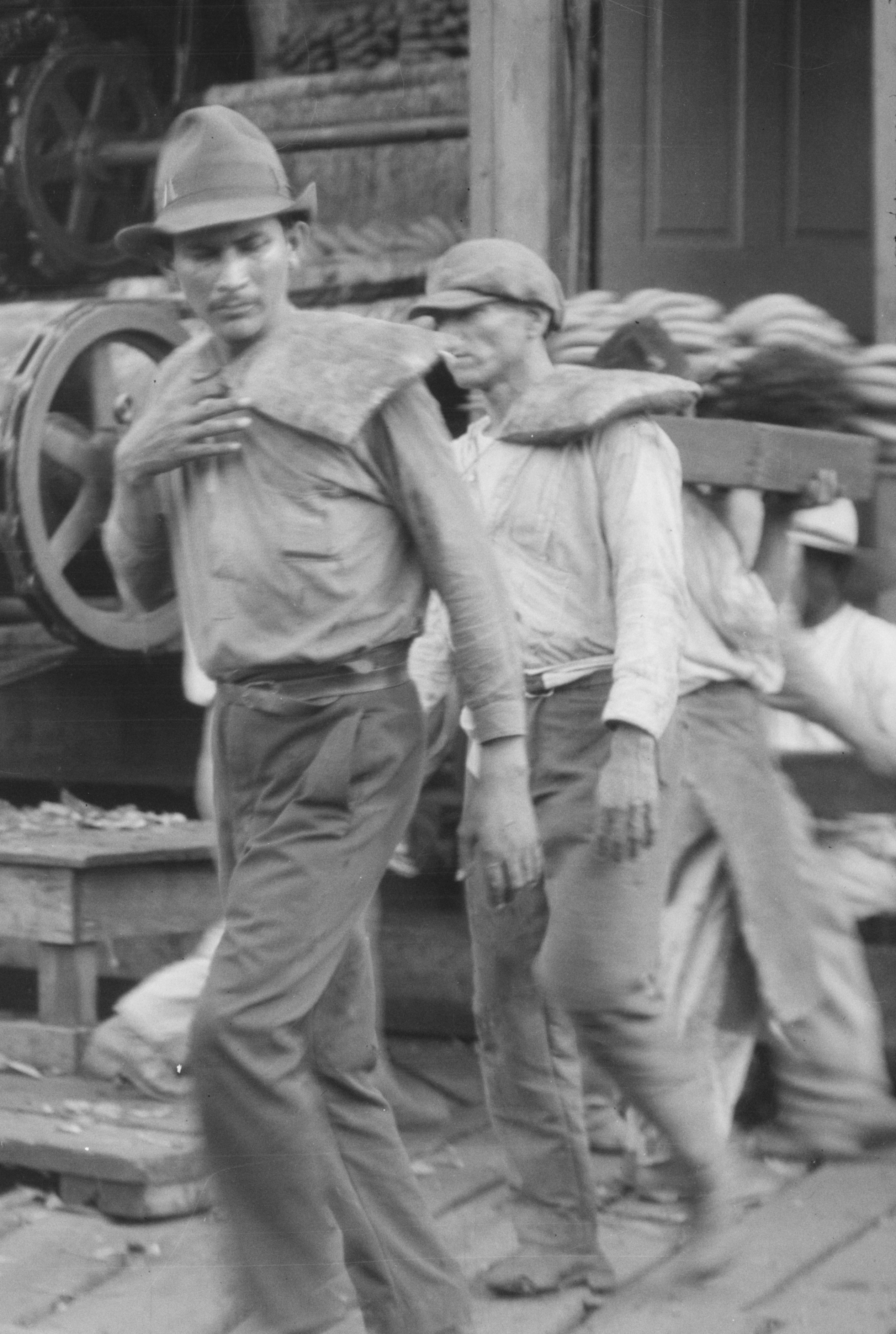
But he also made eye contact with people and there must have been something about him such that they would pause just a moment for him.

New Orleans was one of the world’s great banana ports. I can imagine Genthe, perhaps on assignment in New Orleans, taking a morning stroll with his camera to the wharves and capturing the work of the day, the unloading of bananas. He captures the dignity and beauty of men hard at work. They did not pose for him but they did stop and smile at him.

Sources & Additional Reading
https://en.wikipedia.org/wiki/Arnold_Genthe
Posted in Inspiration, tagged compassion, empathy, Inspiration, kindness on October 23, 2020| Leave a Comment »

Be Kind. It is as simple as that. Have a good Friday, people.
https://www.zazzle.com/small_words_be_kind_pinback_button-145352911385876750
Posted in Branches, Inspiration, tagged beauty, flowers, indoor decor, indoor decoration, Inspiration, Photography on October 18, 2020| Leave a Comment »


 Words + Images