
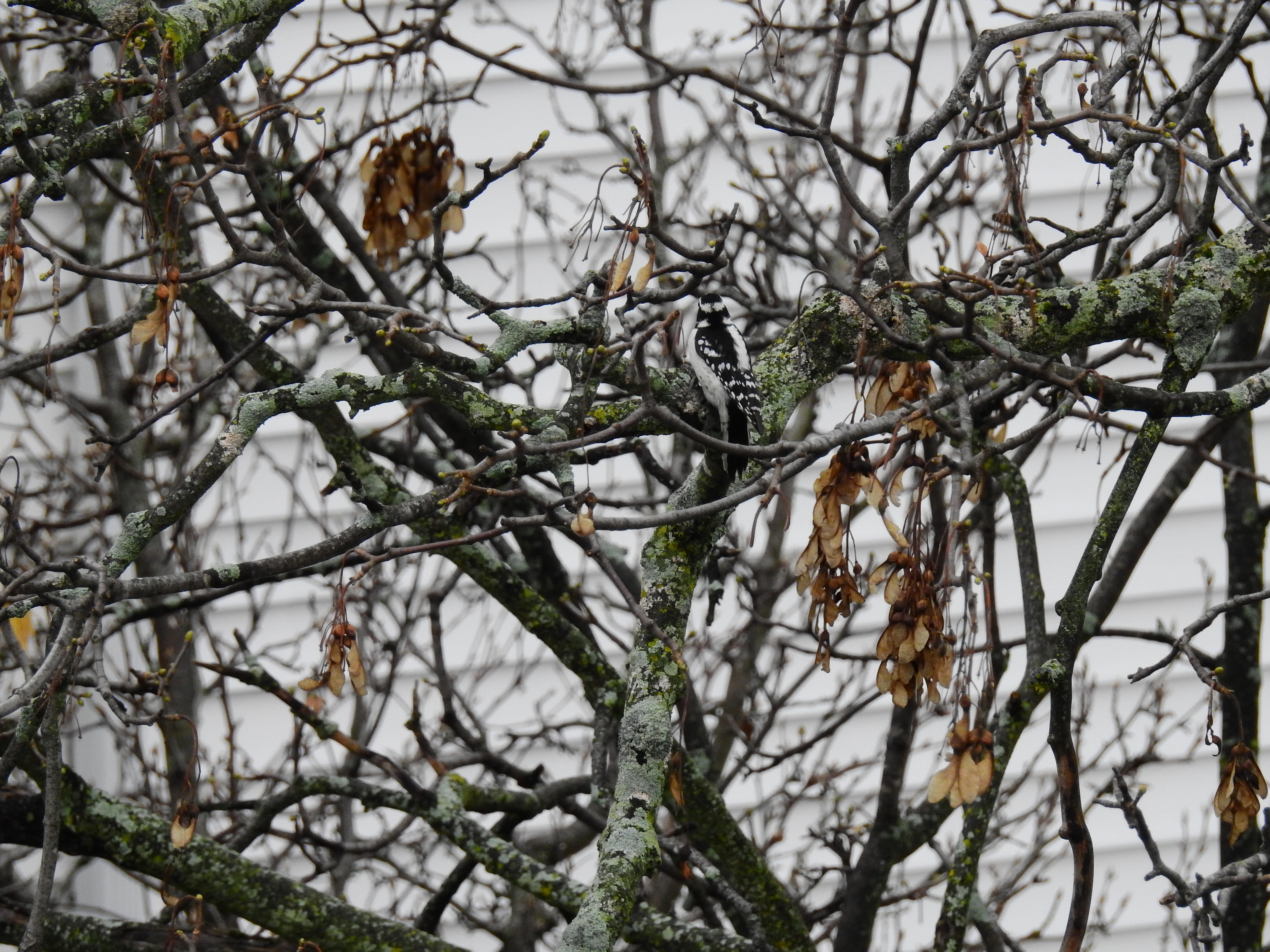
simply a big beautiful tree that towers over his house

Posted in Branches, Inspiration, Nature Notes, tagged beauty, Inspiration, monochrome, nature, Photography, trees, urban landscape, urban nature on December 17, 2020| Leave a Comment »
Posted in Inspiration, tagged architecture, art, beauty, Christmas, community, holidays, Inspiration, joy, light, Photography on December 17, 2020| 3 Comments »

Well, I can tell you, with a little behind the scenes knowledge, that the only things missing from this view of Trinity Church are the four large wreaths that will hang from the columns of the church’s now brightly lit west porch and a life-size ice scene of the nativity sculpted by local artist Steve Rose of Boston Ice Effects. The sculpture will be located near the Phillips Brooks statue on the Boylston Street side of the church and will also be illuminated. This decoration is just one part of the church’s reimagining its traditional Candlelight Carols. Festivities begin this Saturday December 19th including the launch of Trinity’s first ever “Christmas Peek.”
The church’s Copley Square doors will then be open for visitors to step into a glassed alcove for a glimpse of a festive tableau. Featuring a grove of Christmas trees decorated with lights, stars, and parishioners’ ornaments, and Trinity’s worship space decked with greenery, poinsettias, and crèche, the experience will be joyfully accented with the sights and sounds of Candlelight Carols playing on large screens and airing through speakers facing the Square. The Christmas Peek will then remain open from 4:30-7:30 p.m. on most evenings (including Christmas Eve) through the Feast of the Epiphany on January 6. With safety and wellness a presiding concern, the program will abide the state’s COVID-19 protocols.
Via the following link you can find out more details about the launch and how you can participate in person or virtually. https://www.trinitychurchboston.org/event/opening-night-of-candlelight-carols
Posted in Inspiration, tagged abstract, ice, Inspiration, Photography, water on December 13, 2020| Leave a Comment »
Posted in Branches, Inspiration, Nature Notes, tagged abstract, beauty, birds, Inspiration, nature photography, Photography, sunset, urban landscape on December 11, 2020| Leave a Comment »
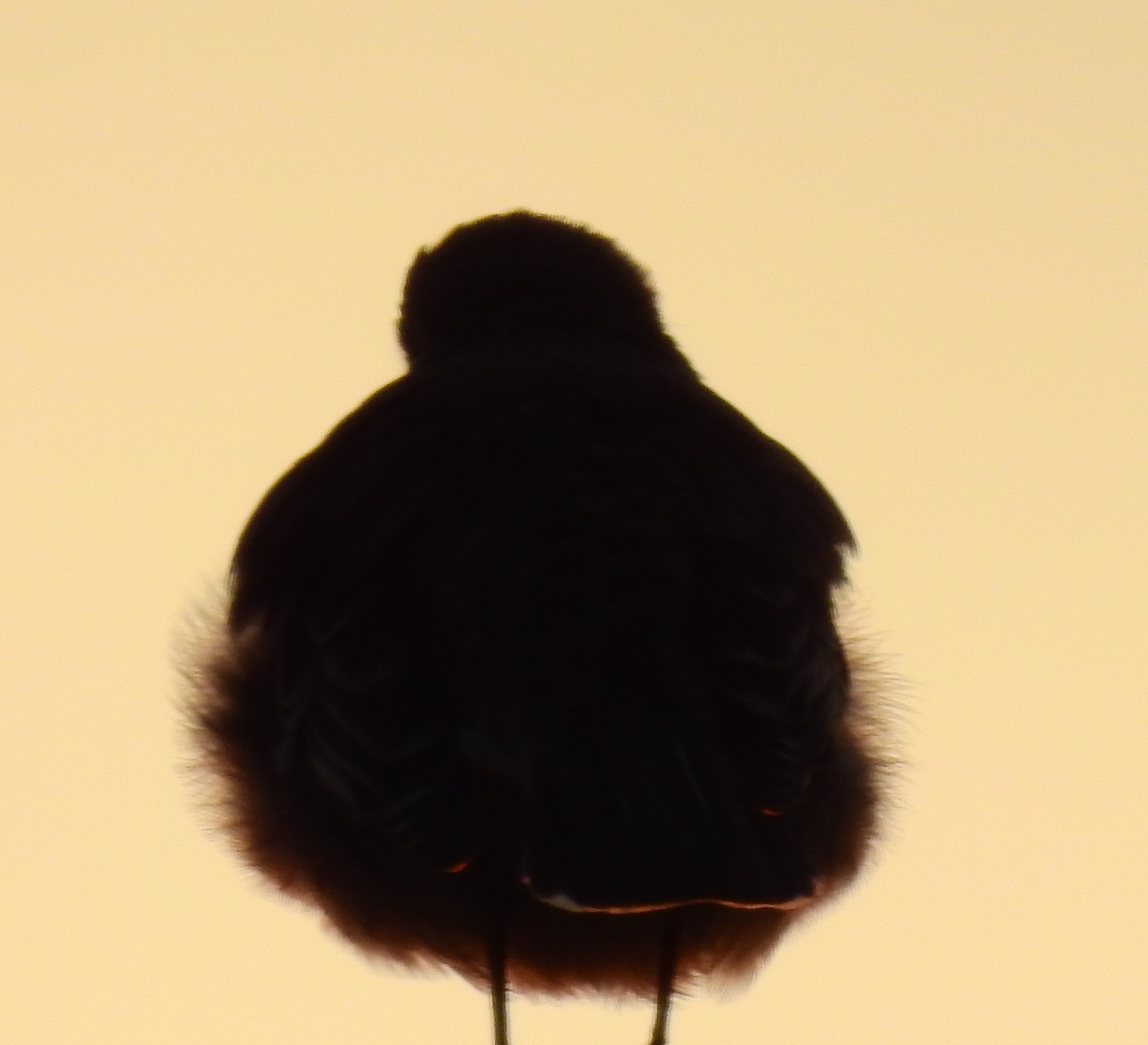
at the very top of a tree
a tiny bird
its feathers lit from below
by the setting sun.
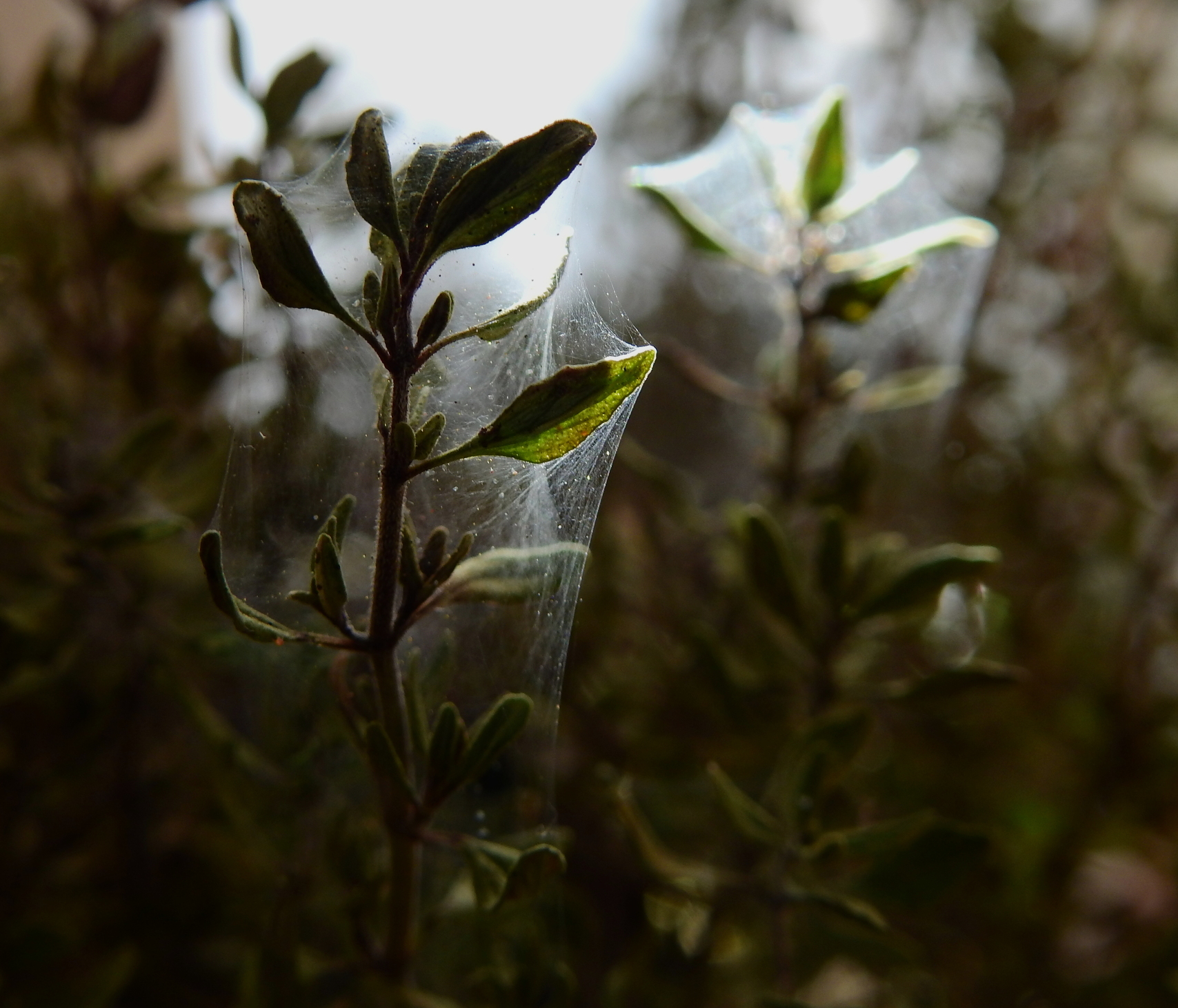
Posted in Branches, Inspiration, Kitchen Inspirations, tagged herbs, indoor gardening, Inspiration, Photography, thyme, webs on December 11, 2020| Leave a Comment »
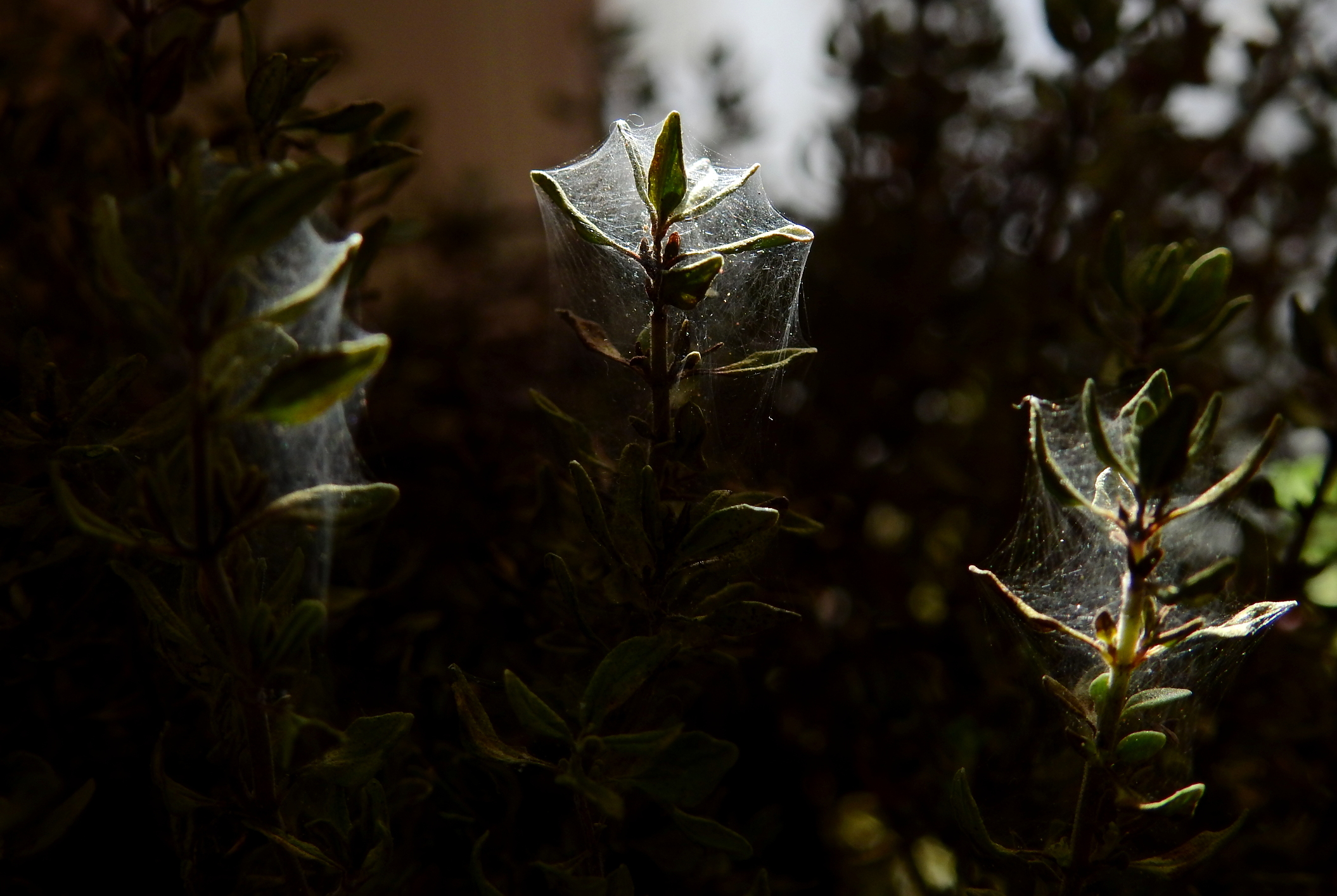
I’m thinking I have some learning to do about bringing outdoor herbs indoors for the winter. Some little creatures might come along for the ride. 🙂
Posted in Branches, Inspiration, tagged Christmas, decoration, holidays, Inspiration, Photography, water on December 11, 2020| Leave a Comment »

The sun was shining bright in Copley Square yesterday. There is some lovely minimalist holiday decoration in the pond.
Posted in Inspiration, tagged art, beauty, gardens, Inspiration, intimacy, landscape, MFA, Monet, museums, painting, Photography, serenity on December 6, 2020| 1 Comment »
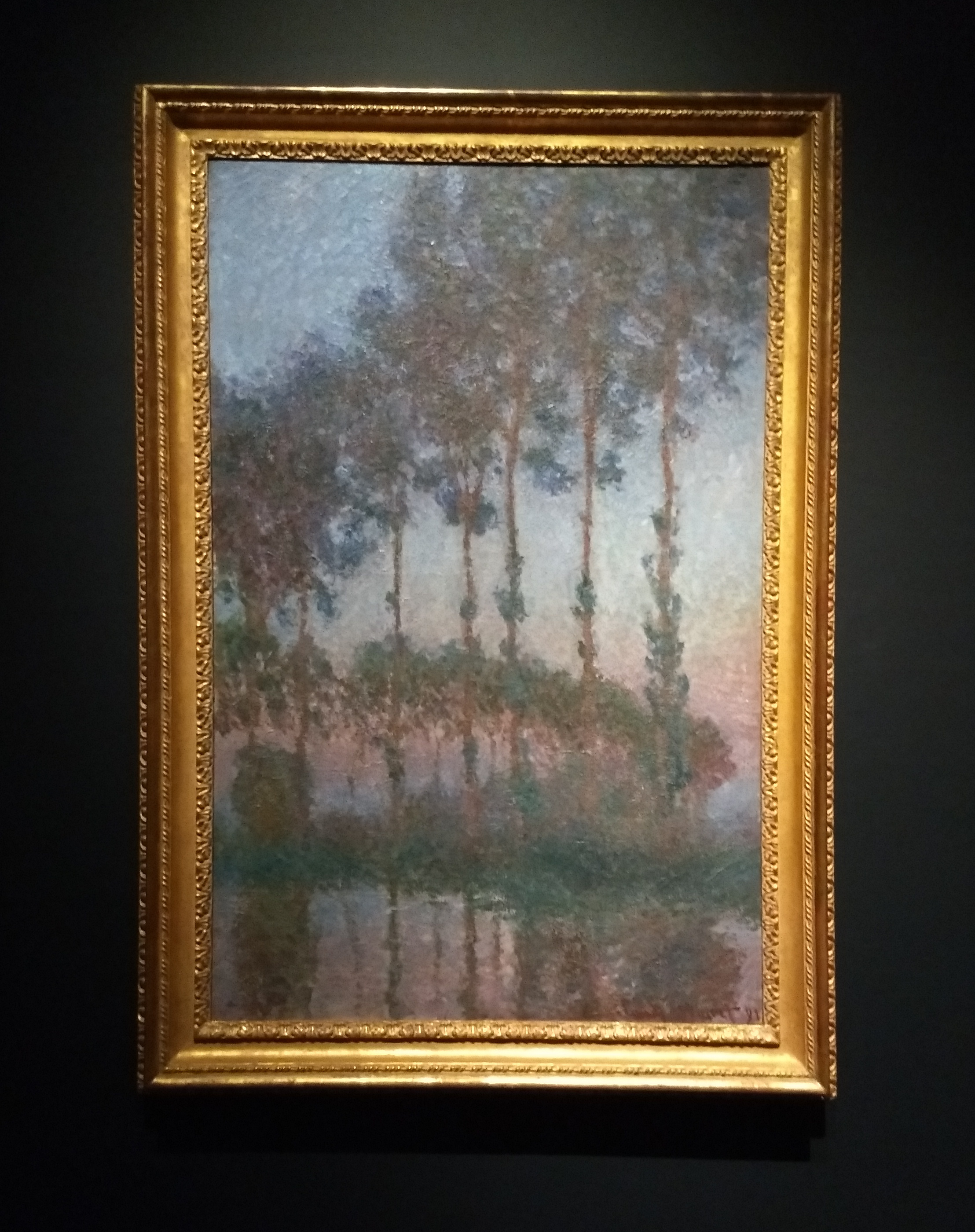
It was simply and strangely beautiful. Walking through a world-class museum. There should have been chaotic hustle and bustle, the sounds of school children, teens taking selfies, seniors dressed to the nines meeting up for tea. Instead my friends and I were part of a very small cohort of people with tickets to see the Monet exhibit at the Boston Museum of Fine Art until we we were ready to leave and create space for others to enter. It was a special treat. Even as social distancing has become a new norm of the moment in the age of COVID, there have also been created these weirdly intimate opportunities to experience the world.

I expect that this exhibit of 35 Monet and other paintings would have been curated quite differently pre-pandemic. The current curation is expansive. There’s lots of space between paintings, and you’re moved through several large rooms that provide just enough information about his life, his influences, the growth of his garden, and the creation of that magnificent pond.
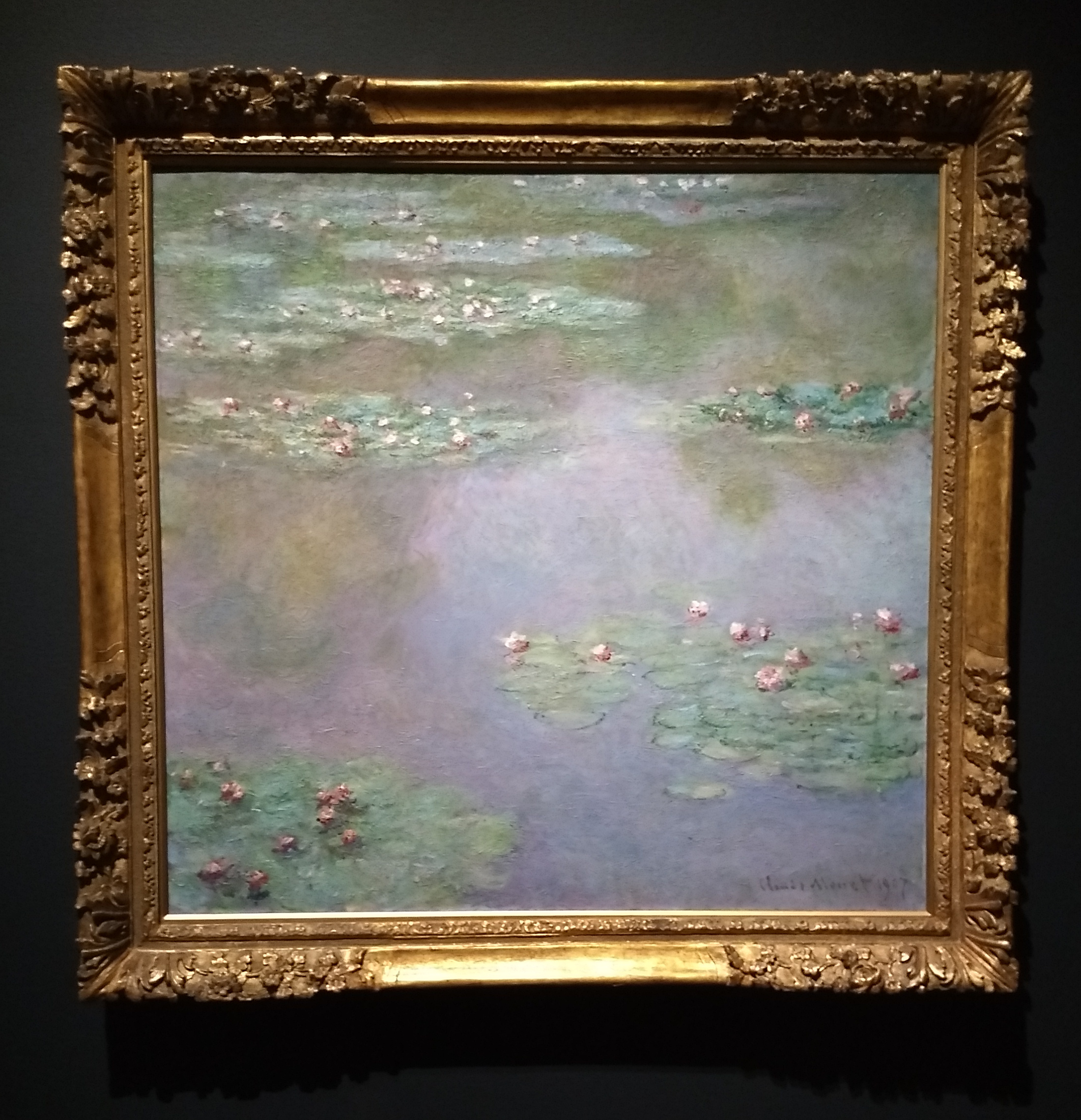
We are reminded of Monet’s triumphs. He was an acknowledged success during his life time. But we are also reminded of his humanity as we learn of his struggles to achieve his artistic vision … struggles that in the end produced great beauty.
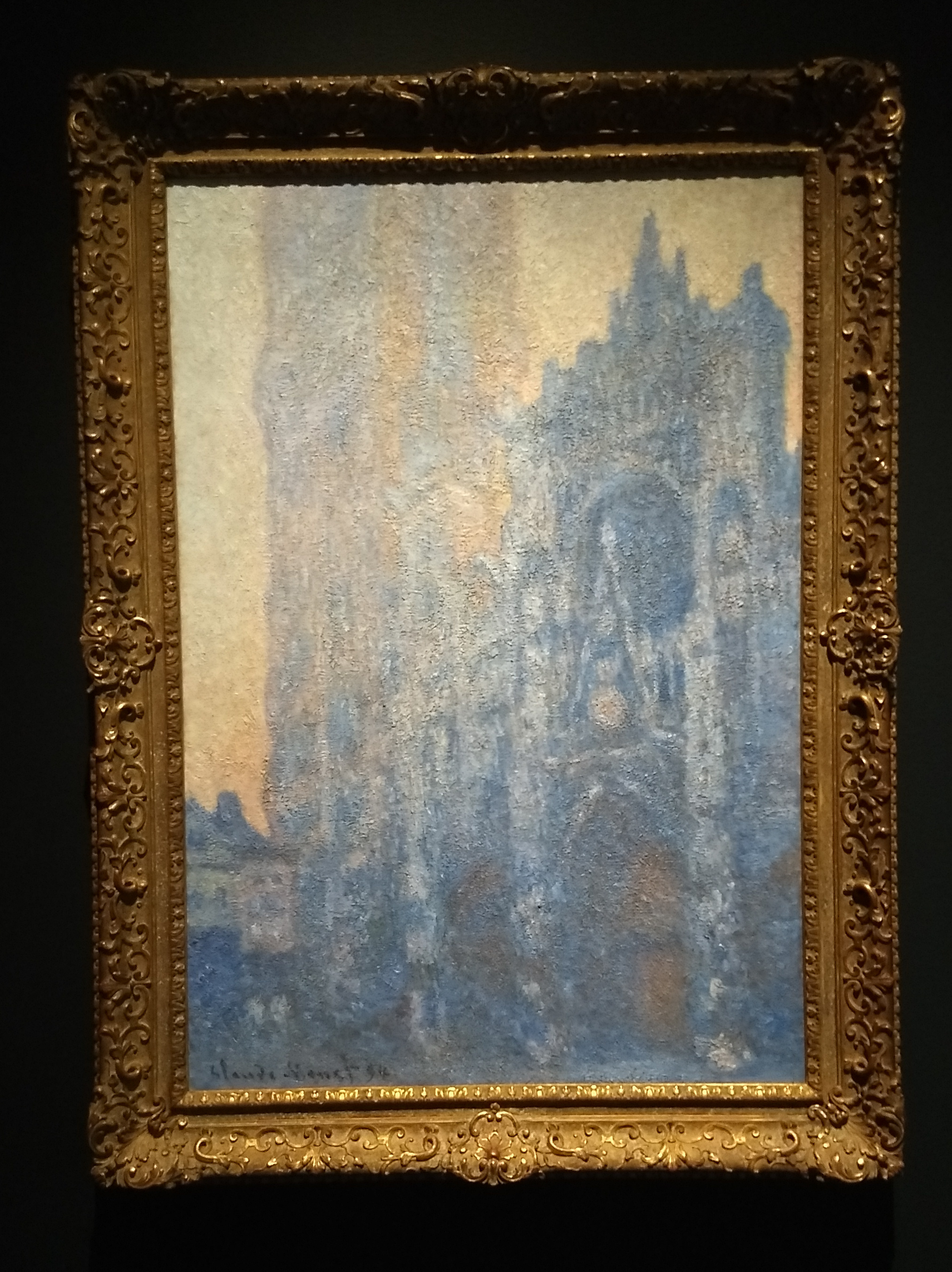
An excellent exhibit and one I hope others have an opportunity to view in person. But if you can’t visit there is a lovely preview video on the MFA’s website, a slide show, behind the scenes with the curator and much more. See link below.
https://www.mfa.org/exhibition/monet-and-boston-lasting-impression
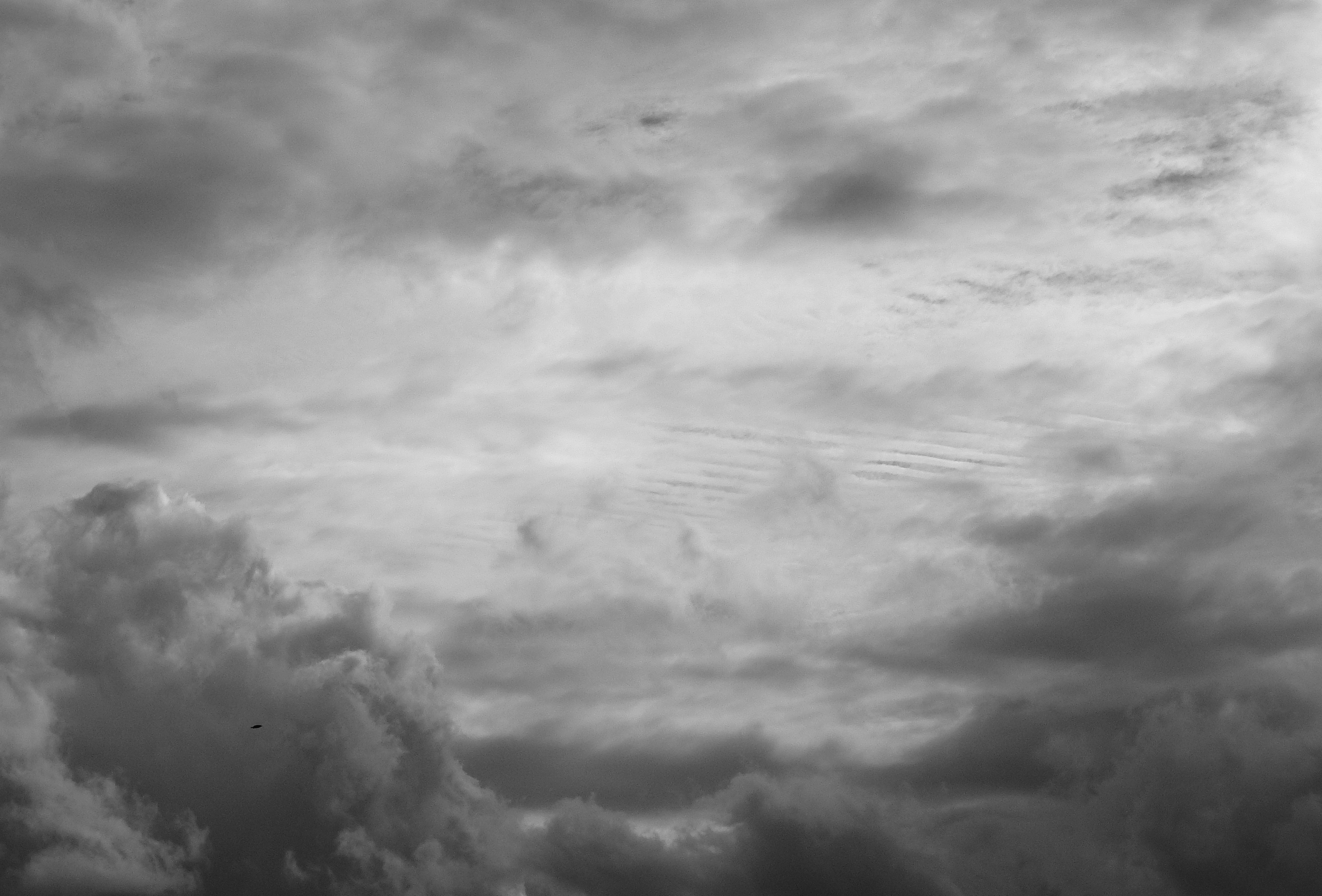
Posted in Inspiration, Nature Notes, tagged beauty, clouds, Inspiration, monochrome, nature, Photography, sky, skyscape on December 1, 2020| 1 Comment »
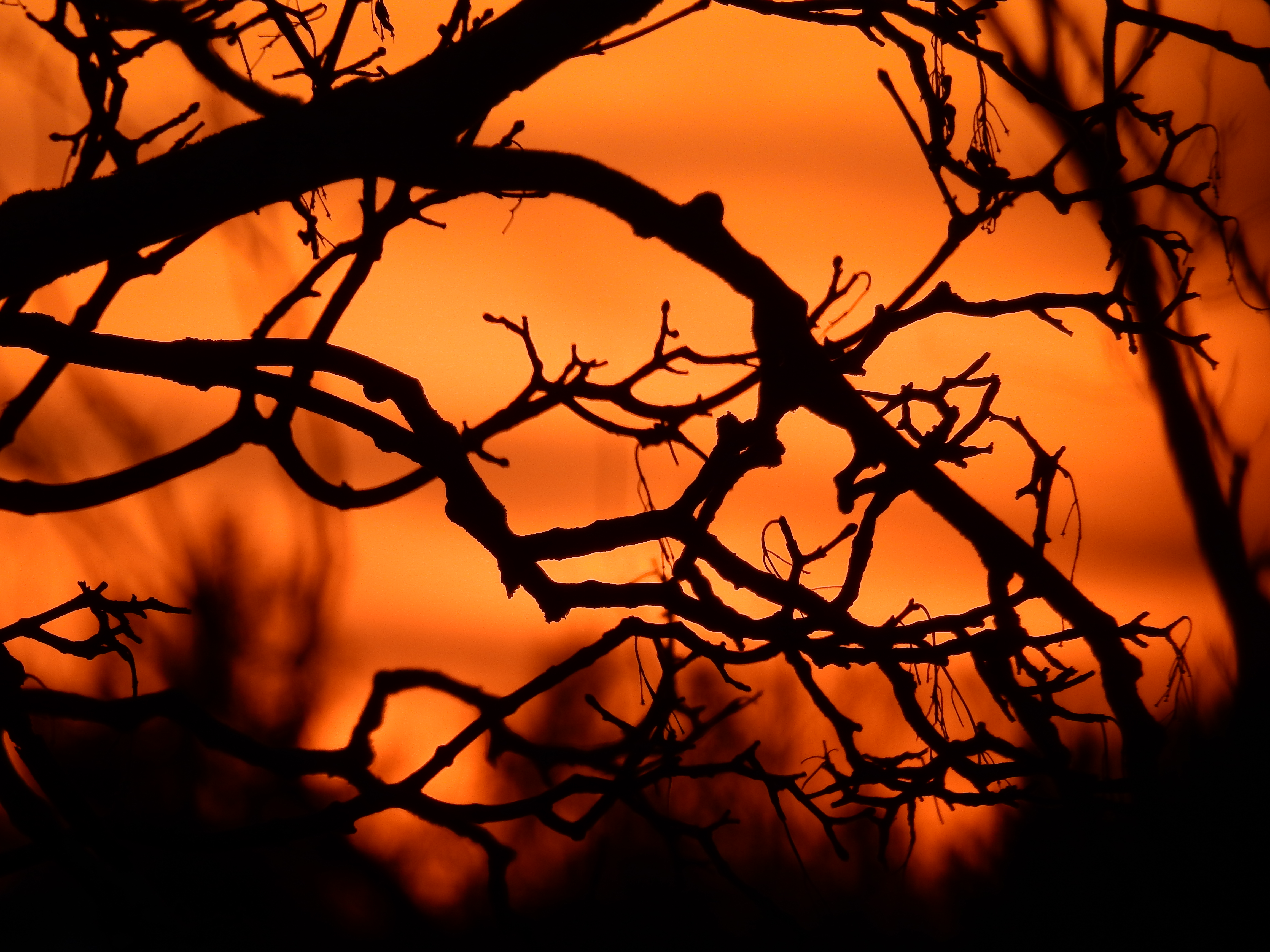
Posted in Branches, Inspiration, Nature Notes, tagged autumn, beauty, Inspiration, nature, orange, Photography, sunset, trees, urban landscape on November 29, 2020| 4 Comments »
Posted in Branches, Inspiration, Nature Notes, tagged birds, Inspiration, nature, Photography, trees, urban landscape, urban nature on November 29, 2020| 4 Comments »





 Words + Images