That’s right, a mending workshop this Sunday September 10th, 2-4pm, at the Piano Craft Gallery. Hosted by i3c artists Jeffrey Nowlin and Michaela Morse. All one has to do is bring an item of clothing or other textile good to mend. All levels are welcome. Part of the group exhibit Inspiring Change for the Climate Crisis: The Non-Human is Pushing Back on view September 1 – September 17, 2023. Curated by Michaela Morse, Jeffrey Nowlin and Adriana G. Prat.
“I have always wanted to paint from nature, but it is too late when my work is finished for the day, so I am confined mostly to copying. On Sundays and holidays I go out to the country and paint, but holidays are few and far between and the weather doesn’t always permit. I’ve done a few farms, and last spring I did a picture of an old New England farm which I sold to C. A. Coffin of Lynn.”
The Boston Globe, Sunday, April 30, 1911
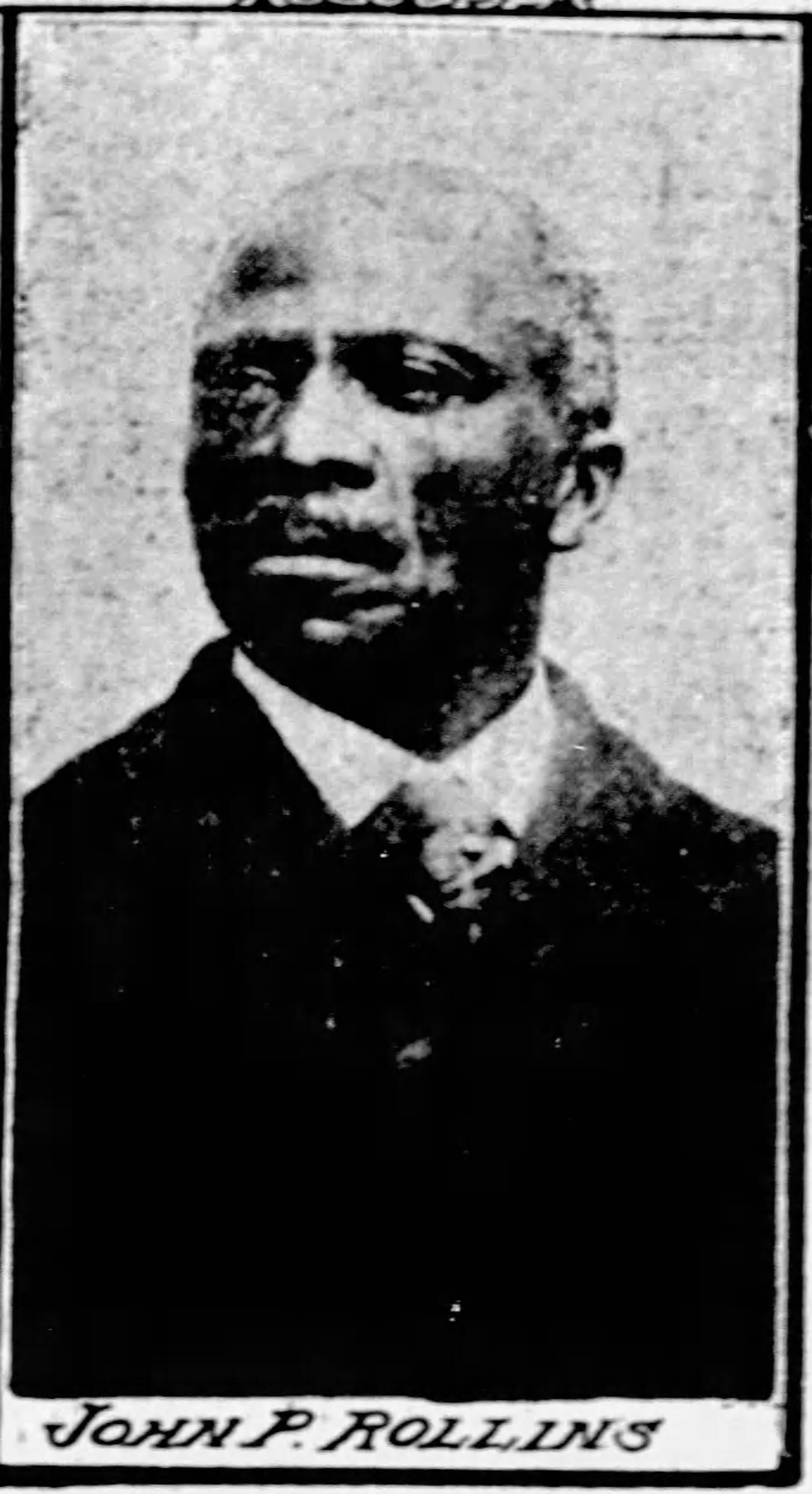
In the spring of 1911, the Boston Globe shared the story of artist John P. Rollins. Born in Lynchburg, Virginia, in 1852, he trained as a house and sign painter. While in Philadelphia practicing his trade, he began exploring painting as an art. His efforts caught the attention of African American artist David Bustill Bowser.
Bowser mentored the young artist and even encourage him to set aside his trade and focus on fine art. But Rollins was aware, despite Bowser’s success, how hard it was to make a living as an artist especially for a Black man. Curious about the world, a world he might paint one day, he took a job as a sleeping car porter on trains traveling cross country. He finally settled in Boston and worked at Young’s Hotel located in the Financial District. He worked there for 20 years, painting during his off-hours. He managed to find time to take vocal lessons at the New England Conservatory. He sang in Baptist choirs across the city and eventually served as choirmaster for several churches including Boston’s Twelfth Street Church.
After leaving Young’s Hotel, Rollins was a messenger for a large banking house. A personable man, Rollins made connections with a mercantile and social elite who began to purchase his artwork. He was able to copy the works of great masters from a simple postcard. Both his reproductions and original art caught the attention of Boston artist and teacher Walter Gilman Page.
Page allowed Rollins access to his studio. As the two men developed a relationship, Rollins introduced Page to others in the black community who were artists as well. Like Rollins they pursued their dreams of painting while working whatever jobs they could find to make a living. They worked as elevator operators, waiters and janitors. With Page’s support, in 1907, the men formed the Boston Negro Art Club. Soon thereafter they had their first exhibit showcasing many works of art. Rollins served as Vice-President of the group.
“There’s nothing like seeing other men doing good work to make one want to keep up to the standard,” said Rollins. “But the fact of being able to sell your pictures is probably the greatest help. I have always been particularly interested in painting Venice. It has been the wish of my life to go there; from the time I was a little shaver down in Virginia … Venice has been to me like a stick of candy, way up high on a Christmas tree …”
“State Street, 1801” by James Brown Marston located at the Massachusetts Historical Society
“One of the best copies I have ever made is of ‘State Street, Boston – 1801,’ the original of which is at the rooms of the Massachusetts Historical Society. There are a number of people who take an interest in my work and when some of my friends go away and travel either in this country or in Europe they send me all the postcards they can of the scenery, and it gives me great pleasure to copy and enlarge them.”
After its debut in 1907 the Negro Art Club had a few more exhibitions. By the time Rollins was interviewed by the Boston Globe in 1911 the group had likely disbanded. A 1920 Census shows that Rollins was still working as a porter at the bank and one can hope that he was still painting. Whether any of his paintings survive is unknown.
I’m all about bringing nature indoors. That’s why its been such fun this winter to sip tea and to work with images in the public domain, as well as my own photography, to update my redbubble shop. I selected several artists whose works moved me personally and sorted through merchandise I would actually use. First up … William Morris.
I’m a fan of Morris’s bright, bold prints but I liked these for their unfinished quality and the softness of the colors. Very soothing to me. See what you think when you visit the shop.
And you can learn more about Morris via this Wikipedia page.
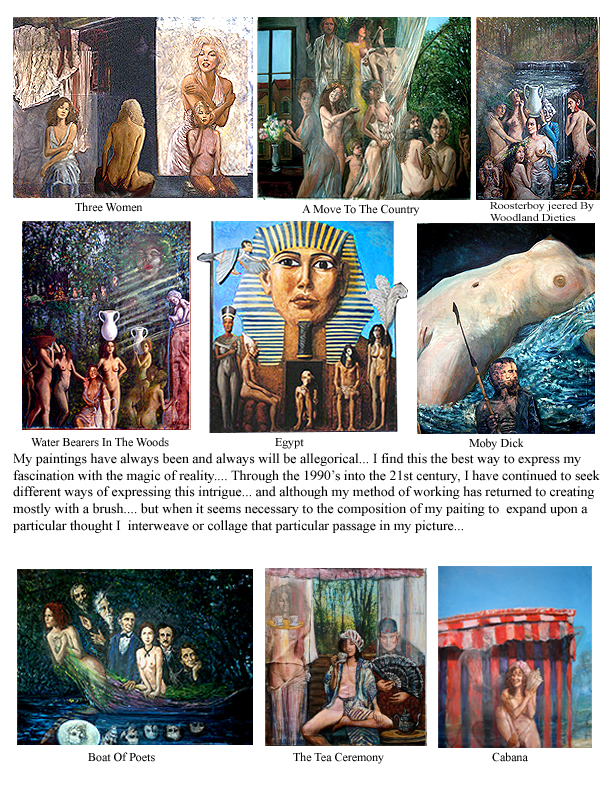
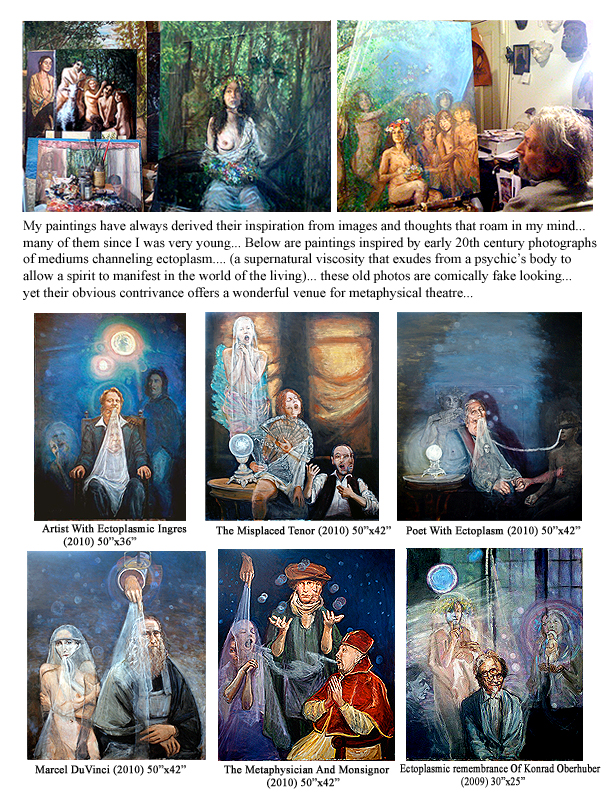
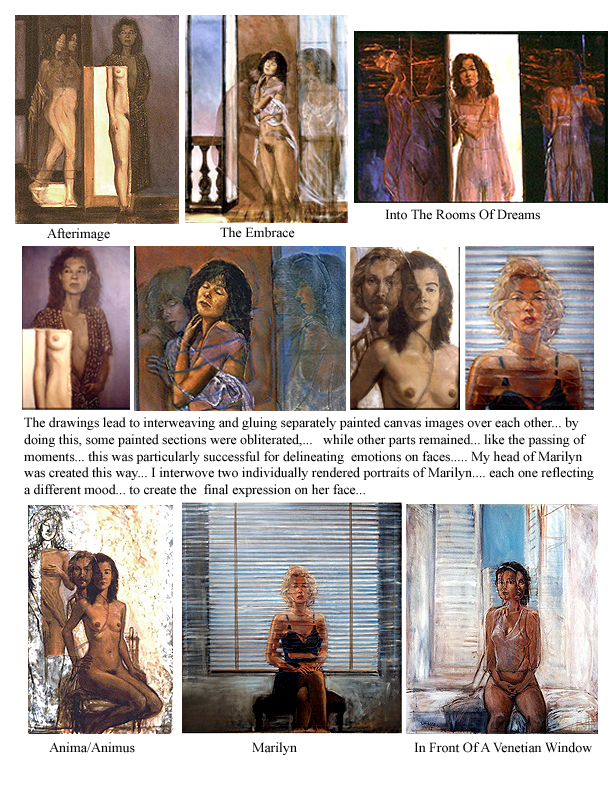
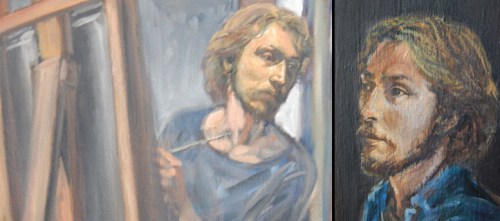
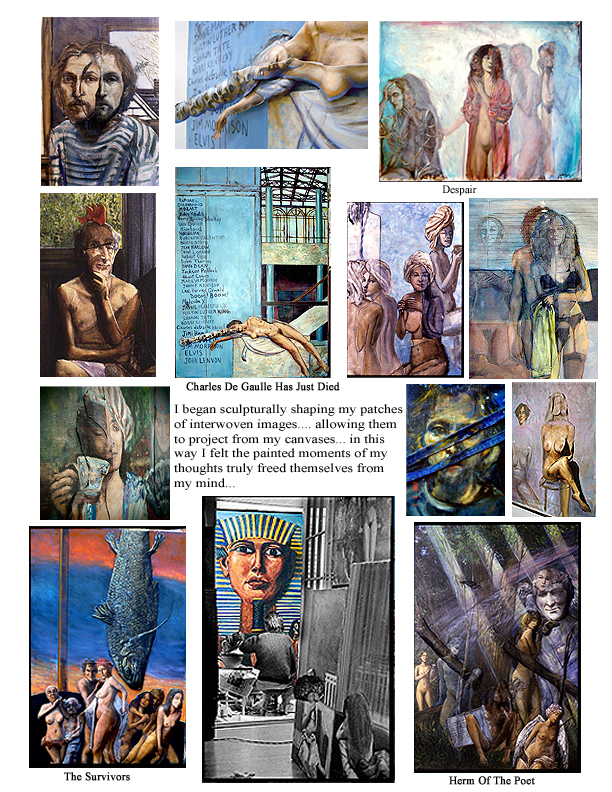
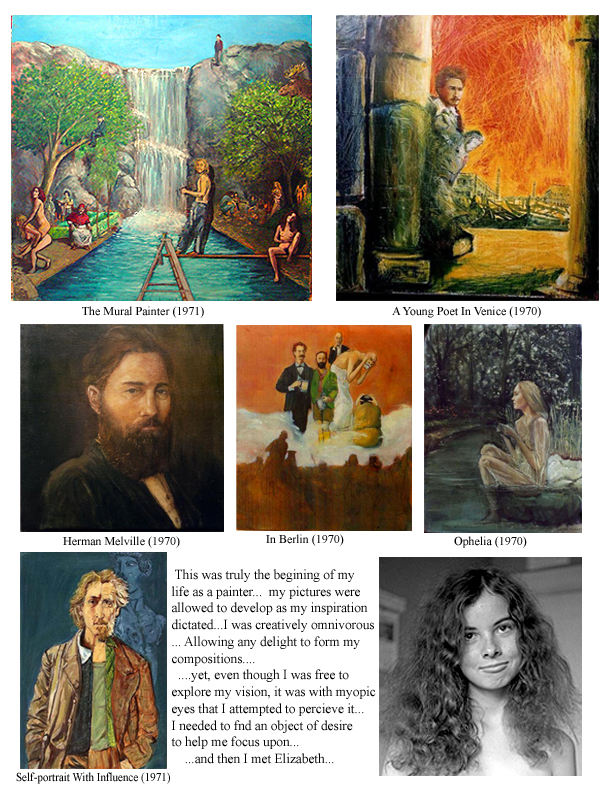
For the past six Thursdays it has been been my pleasure to share the words and images of painter Donald Langosy. In collaboration with his daughter, he produced a unique 14-page memoir visually chronicling his evolution as an artist. I was allowed to share that memoir on this blog interspersed with additional words and images by Langosy.
Last Thursday’s post – story of my art – shakespeare and the joy of being, revealed that Mr. Langosy was diagnosed with multiple sclerosis in 2003. Has it affected how he expresses himself as an artist? Of course. But decrease in mobility and even fine motor skills has in no way decreased his creativity or even his productivity. As he has stated he does not allow MS into his studio, but he has welcomed visitors on occasion.
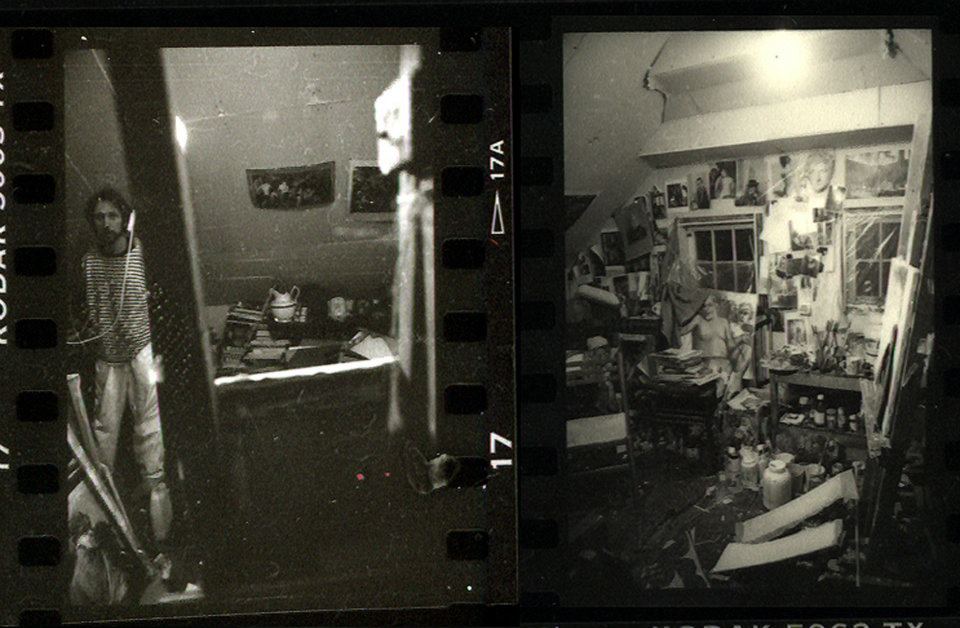
donald langosy still in the studio present day
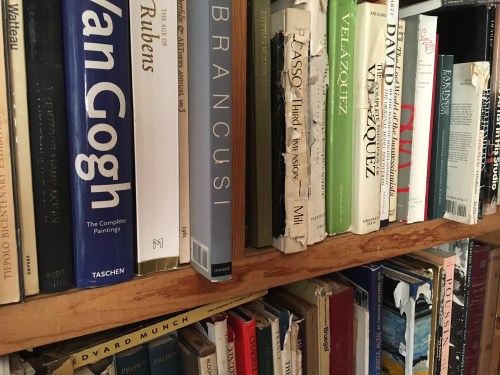
I have been lucky enough to sit in his space and at his side and see his works-in-progress upon the easel, the canvases stacked against the wall, his sculptures tucked in high nooks, and what I especially love (and I tell him each time) the books, the books, the books, on so many different subjects, collected over the years! And no matter how crammed the space becomes with paintings and books and new technologies to enable him in his work, there is always space for the grandchildren.
grandchildren in the studio
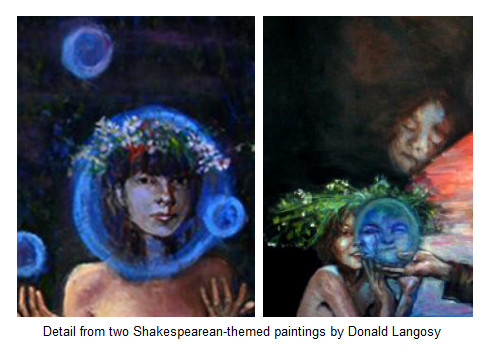
Below are a few more images. Please enjoy this virtual peek inside the studio, present and past, of Donald Langosy.
Editorial note: Throughout this unique sharing of his life as an artist, Mr. Langosy has focused on the influence of poets like Ezra Pound, painters like Titian, and underscoring everything, the influence of his muse, Elizabeth. In the following pages, he describes and depicts the influence of Shakespeare. But in the 1990s something else also affected his artistic journey.
“… my mobility inexplicably became impaired. As I gradually lost the ability to walk and became increasingly fatigued, I was no longer able to pursue connections in the art world or mount exhibits as I had in the past. I was told that my disability had psychiatric origins and that I would walk again when I was ready to do so. Over time, my paintings became as small as my housebound universe, sometimes shrinking to the size of a postage stamp. In October 2003, I collapsed and was taken to a hospital, where I was finally diagnosed with secondary progressive multiple sclerosis. Once I knew that I wasn’t crazy after all and began targeted treatments … I am convinced that a huge factor in my remission was my decision to not allow MS to enter my studio.”
And now …
View preceding episodes in The Story of My Art: 1, 2, 3, 4, 5
Sometimes when I am in a room with a group of people, someone will say, “Be careful what you say. We have a writer in our midst and she always sees a story.” I don’t know that I always see a story, but in this case I do. It is the story of a man and a woman, two artists in their own right, who formed a union. A painter-poet and his writer muse. Donald and Elizabeth Langosy.
I have permission to call him Donald but, since I am friends with his daughter Zoe, my southern upbringing drives me to refer to him as Mr. Langosy . Now, Elizabeth has made clear, that since we are writing colleagues, I am to call her Elizabeth. And when she tells you to do something, what else is there to do but what she said in that gentle but oh so firm way of hers. She has that way about her, like a force of nature. Perhaps that is what drew Donald to her. That is his story to tell and, in part, that is what he has begun to do in the pages that his daughter helped him put together, The Story of My Art by Donald Langosy.
In these 14-pages a veil is pulled aside and we the viewer become privy to the bright life of a talented man and his love for a talented woman. We see how that love has enabled and empowered him to produce a body of work that is dynamic, vibrant, sometimes humorous, sometimes sad, and always provocative.
Below are two pages from The Story of My Art. Click on each image for a larger view. Over the course of the next six Thursdays the rest of the story will be shared. Join me on a journey …
For more information about Langosy’s art, contact Zoe at zlangosy@me.com.
Visit the Riverside Gallery at the Cambridge Community Center from noon to 6pm today. See artists at work. View their paintings, sculpture, photography and more. Pieces are available for purchase including small totems by Cedric Harper (read more about this amazing artist here and here)
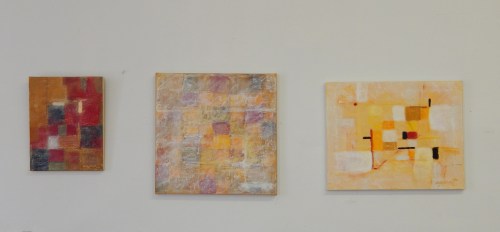
beautiful paintings by Adriana Prat (read more about her artistic expression here) …
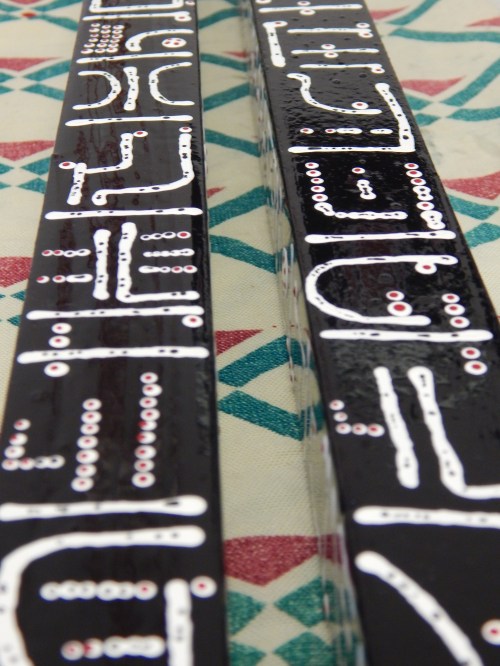
vibrant works by Jenny L. Grassl blending words, letters and the visual

















 Words + Images