
Posts Tagged ‘Inspiration’
on the side of a tree
Posted in Inspiration, Nature Notes, tagged beauty, colors, fungi, Inspiration, landscape, Middlesex Fells Reservation, mushrooms, nature, Photography, trees on November 13, 2023| 2 Comments »
on this veterans day a revisit …
Posted in Inspiration, tagged American history, art history, history, Inspiration, Monuments Men and Women, Photography, veterans, war history on November 11, 2023| Leave a Comment »
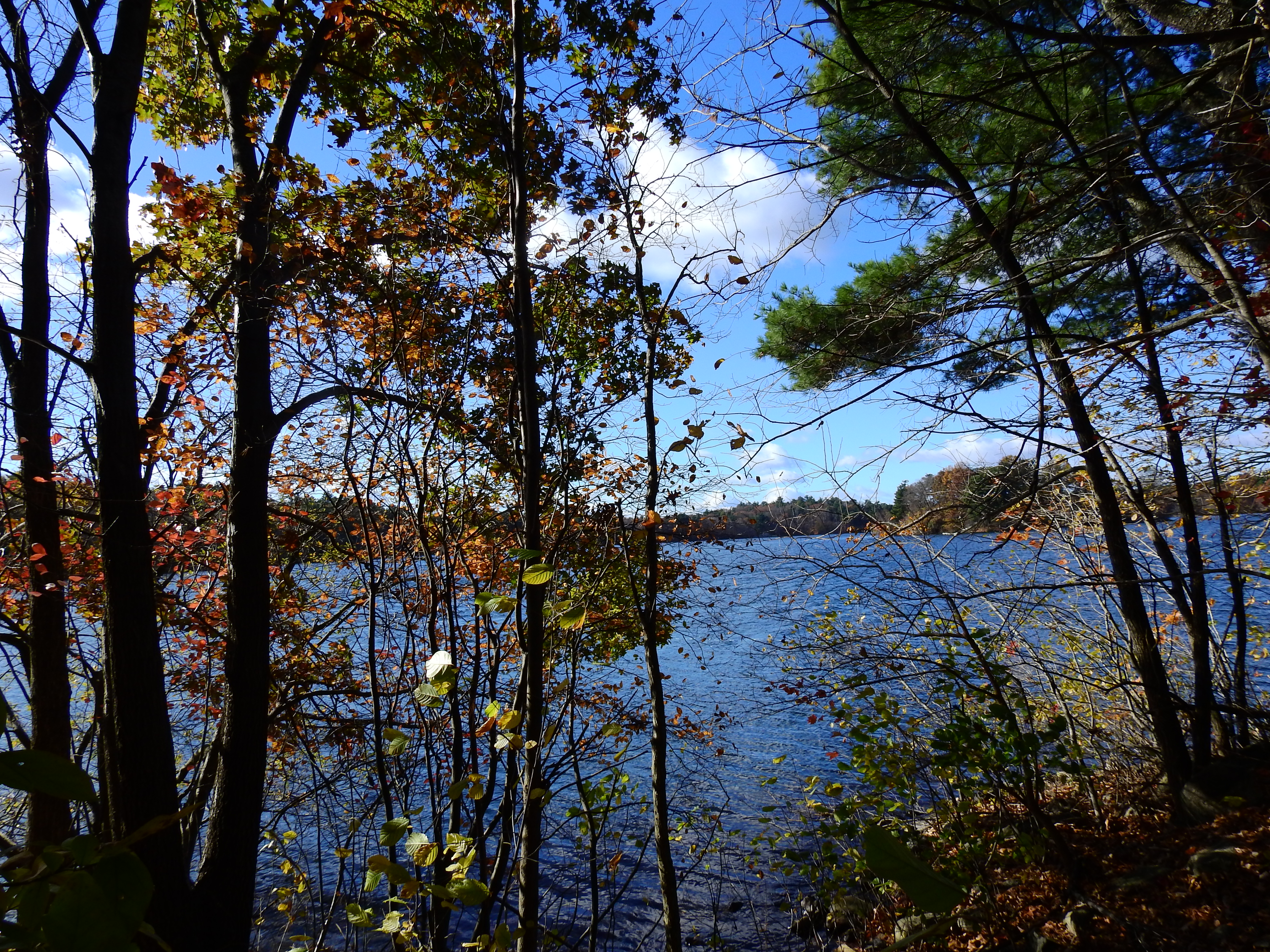
the fells in fall
Posted in Branches, Inspiration, Nature Notes, tagged autumn, beauty, colors, Inspiration, landscape, Middlesex Fells Reservation, nature, nature photography, Photography, water on November 11, 2023| 2 Comments »
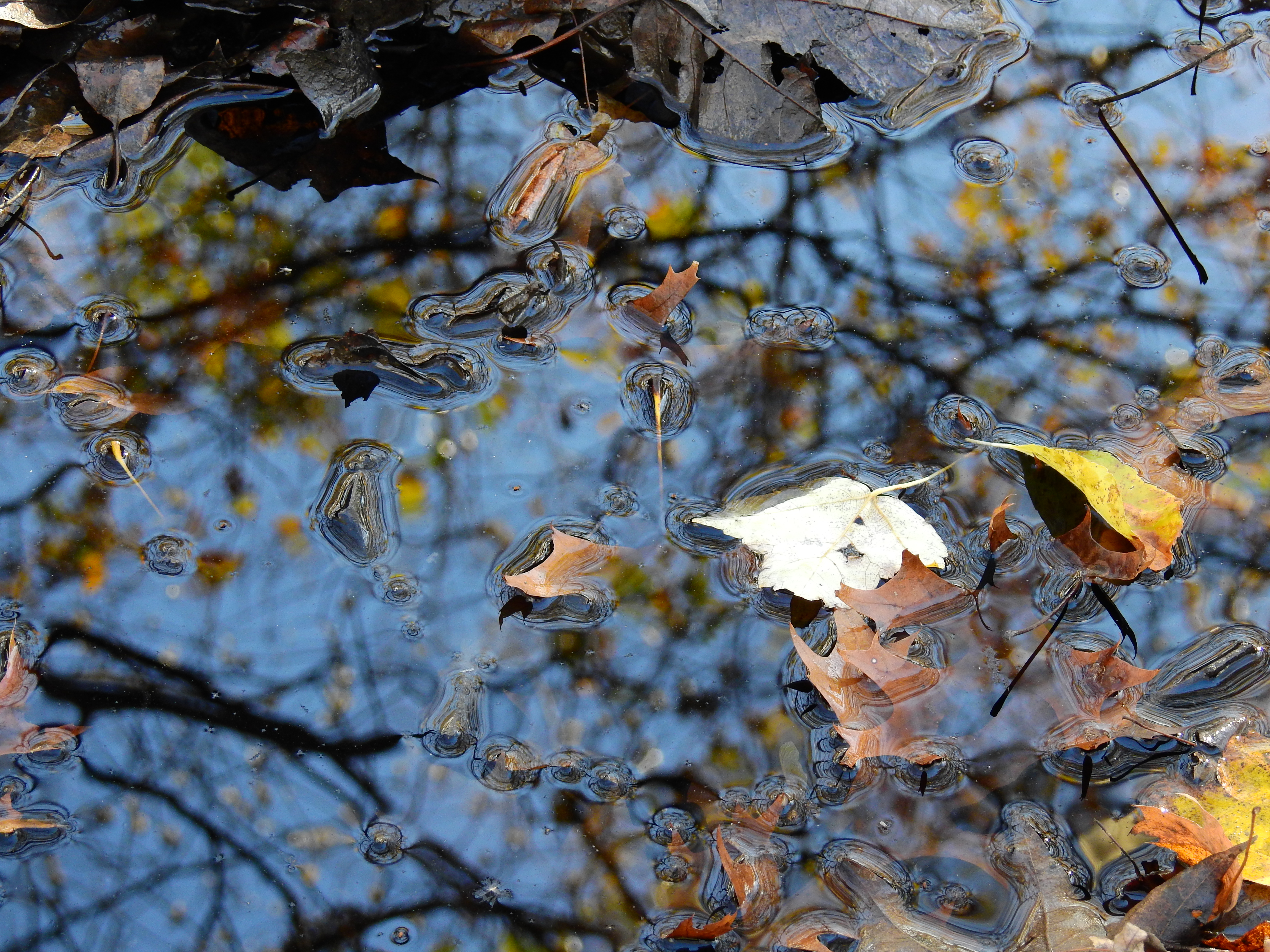

mending workshop tomorrow!
Posted in Inspiration, tagged activist art, artists, climate, climate action, climate crisis, Inspiration, nature, social activism on September 9, 2023| 2 Comments »
That’s right, a mending workshop this Sunday September 10th, 2-4pm, at the Piano Craft Gallery. Hosted by i3c artists Jeffrey Nowlin and Michaela Morse. All one has to do is bring an item of clothing or other textile good to mend. All levels are welcome. Part of the group exhibit Inspiring Change for the Climate Crisis: The Non-Human is Pushing Back on view September 1 – September 17, 2023. Curated by Michaela Morse, Jeffrey Nowlin and Adriana G. Prat.
https://www.i3cartists.com/events/exhibit-at-piano-craft-gallery-september-1-17-2023

playing with color and textures
Posted in Branches, Inspiration, Kitchen Inspirations, tagged aesthetic, beauty, creativity, experimenting, flowers, Inspiration, nature, Photography, planting on September 9, 2023| Leave a Comment »

Flowers and herbs, real and faux. Just playing around with colors and textures and even scents (that’s Thai basil in front) to make a little spot of joy. Since this photo was taken the echinacea flowers have become seeds in a bag and a small bowl of blood oranges sits next to the faux orange flowers. Amazingly the Thai basil still looks the same. And when I lifted it just now I realized that the stems had grown roots. A certain fellow in this household has an upcoming planting project as soon as I find the right pot.
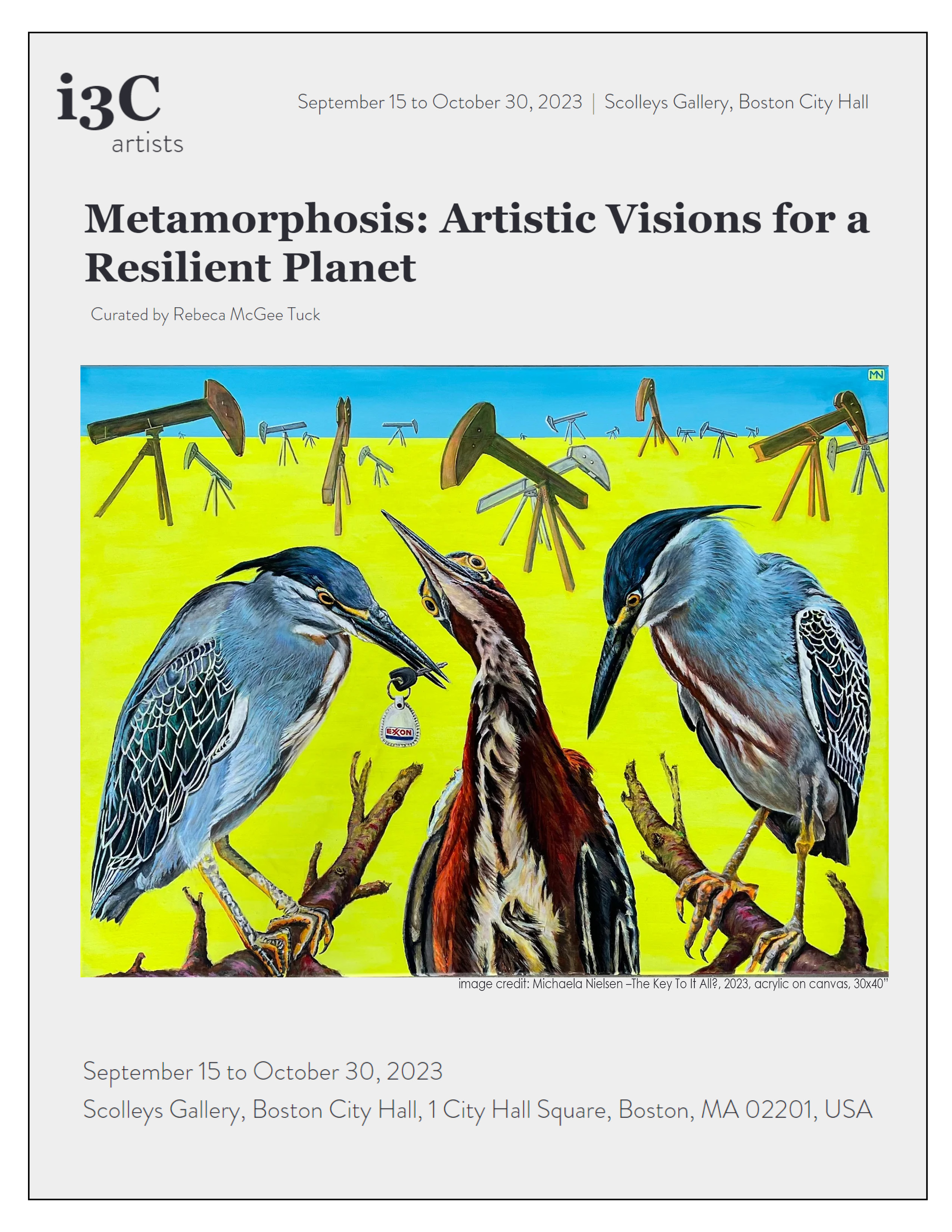
amazing i3c artists exhibit at boston city hall
Posted in Inspiration, Nature Notes, tagged art exhibits, climate action, climate change, climate crisis, colors, exhibits, Inspiration, nature, Photography on September 5, 2023| 2 Comments »
From diverse backgrounds and using a range of art practices, i3c artists share a personal and artistic commitment to raising awareness for the environmental crisis and encouraging action. Truly inspiring and thought provoking artwork. Don’t miss it if you have the chance.
happy plant
Posted in Branches, Inspiration, tagged beauty, colors, flowers, gardening, geranium, Inspiration, nature, Photography, pink on August 7, 2023| 1 Comment »

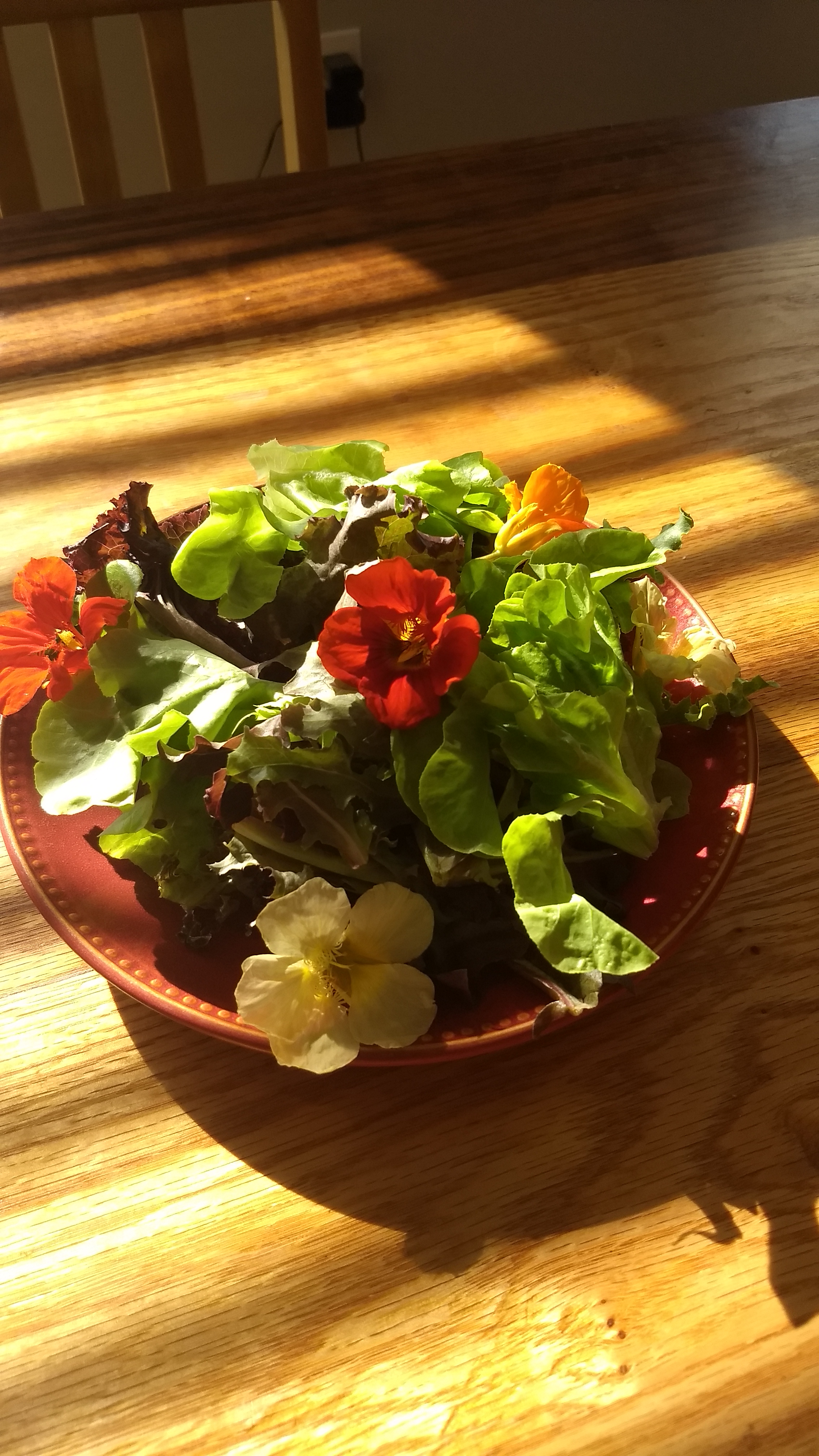
garden delight
Posted in Inspiration, Kitchen Inspirations, tagged beauty, colors, edible flowers, flowers, gardening, Inspiration, light, nasturtium, Photography on August 6, 2023| 2 Comments »
the embrace
Posted in Inspiration, tagged American history, art, beauty, black history, Boston history, embrace, equity, history, Inspiration, love, Photography on May 29, 2023| 2 Comments »
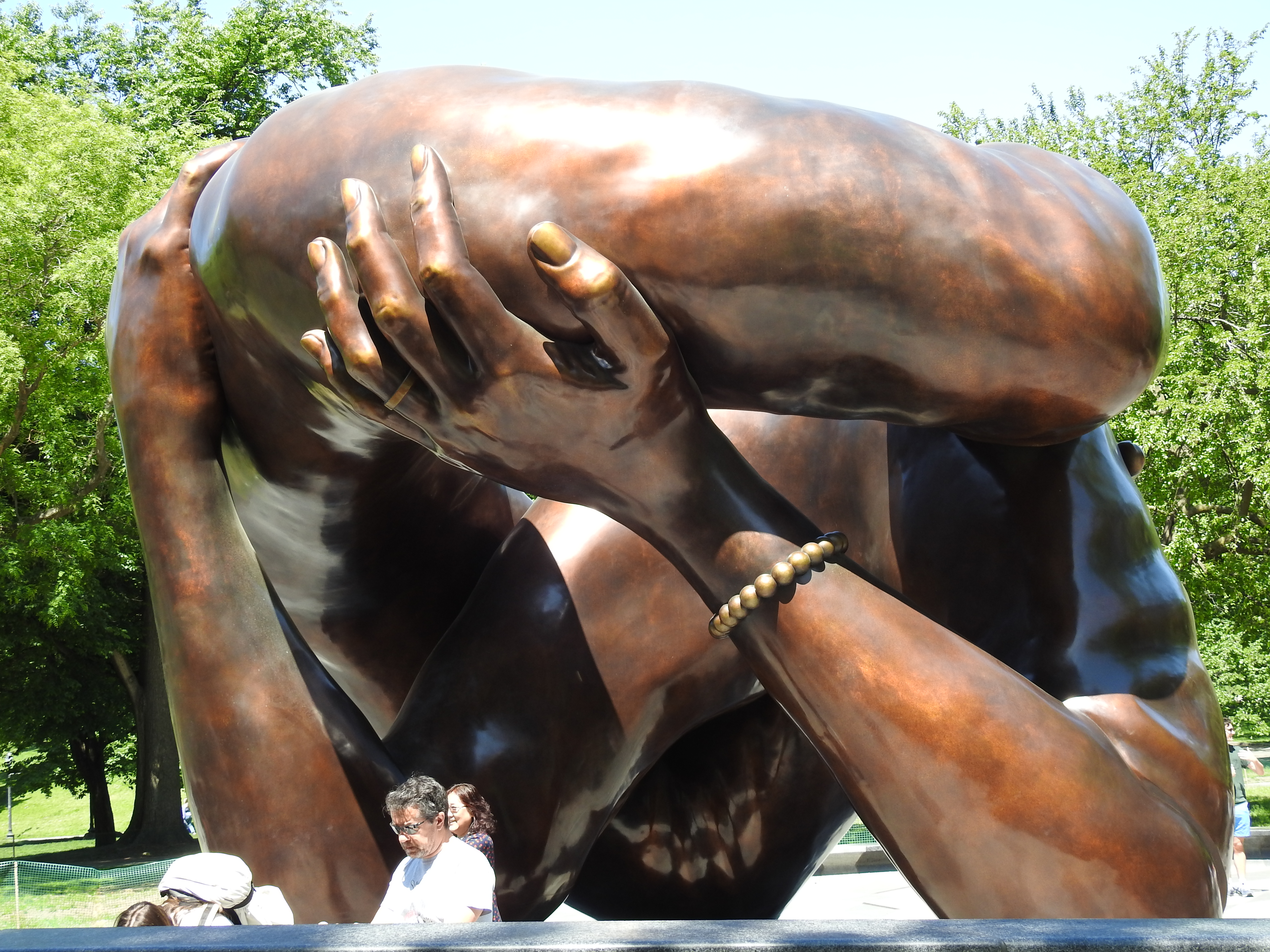
It is a truly interesting interpretation of a beautiful act, an embrace. I’m impressed with the concept though I struggle to understand everything that I am seeing. But for some reason I don’t mind that struggle with this piece. Maybe it is the hands. They are beautifully rendered. The viewer reads into art and what I read into those hands are both gentleness and strength, love and sensuality, partnership.

I enjoyed watching people of all ages engaging with the piece and actually having conversation with each other and with strangers about it and the content of the surrounding 1965 Freedom Plaza. The memorial is located on the Boston Common, adjacent to the Parkman Bandstand, where Dr. King spoke in 1965.

Love it, hate it, neutral about it, or all the feelings that lie in the between spaces of those feelings, I think it is well worth a visit.
borage
Posted in Uncategorized, tagged beauty, blue, colors, flowers, gardening, Inspiration, nature, Photography on May 14, 2023| 4 Comments »

A second attempt to grow borage. Nestled next to the tomato plants. Let’s see if it improves the flavor of the fruits.
 Words + Images