Feeds:
Posts
Comments

Archive for the ‘Nature Notes’ Category

At the window my one pea blossom continues to bloom reminding me of a garnet drop.

The radish seeds with which I had such early, painful adventures have leafed out. I harvested some to form this base of a salad.

The flowers, plucked from a small pot in the hallway, didn’t have much flavor. Too subtle for my palate. But for my painting palette, they were just perfect. 🙂

Read Full Post »

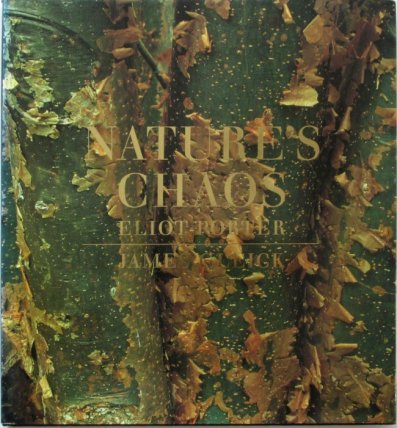
It can be hard to read a coffee table sized book while sitting on a Boston subway during rush hour. But that’s what I was trying to do after a visit to the library to retrieve the book Nature’s Chaos, a collaboration between photographer Eliot Porter and writer James Gleick. I sat snugly between, on my left, an older African fellow wearing a very puffy and, I’m sure, warm coat.  On my right sat a young Chinese boy wearing a very puffy and, I’m sure, warm coat. The little boy kept getting in trouble with his dad because he was a bit hyper.

I’d been waiting a long time for this book.  Carefully, very carefully, trying to respect the space of my neighbors, I opened up the book into a narrow V-shape. I figured the text I could read later, but I wanted a peek at Porter’s vast landscapes.  I could see a little but not enough.  Wider I opened the book.  I peered closely at the sweeping patterns in cracked mud and lava flows. There were leaves on water and sunset clouds.  As I lost myself in these scenes, perhaps the book fell open wider still because all of a sudden I noticed something.

Now the African gentleman was a bit more subtle but I could tell he was looking at the book with me. He’d adjust his glasses as I turned a page and every now and then he’d bend over slightly, trying to see the cover to find out what in the world I was looking at. The little boy hadn’t learned how to be subtle. He just peered right over my arm. I didn’t bother looking at his dad. I just began pointing out features on the page to the boy. Occasionally I’d drag my finger along a seemingly mundane scene, like orange flowers in a green field or vines on a tree trunk. I’d say softly, “That’s pretty cool, hunh?” His eyes never leaving the page, he’d nod and say softly, “Yeah.”

On the last page, I made a dramatic show of closing the book and saying in a little louder voice, “And that’s it!” The little boy (and the gentleman too I suppose) slid back into his chair.  His father whispered to him.  The little boy looked up at me.

“Thank you,” he said.

I smiled. “You’re welcome.”

Read Full Post »

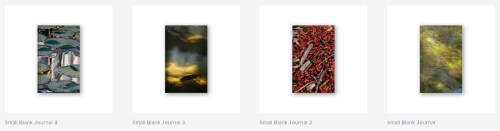
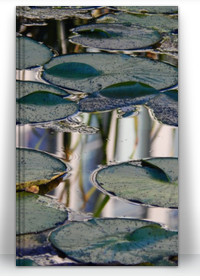
You can now find a series of inexpensive blank notebooks in my online bookstore. Simple little books with nature-themed covers that hopefully spark some creativity or inspiration.  A bit more elegant than an index card for capturing quick thoughts or a sketch. 🙂 You can actually write in them or collect them for their covers of the New England landscape.  Check these and other books out at Books by CStaples.

blank notebooks by cynthia staples


Read Full Post »

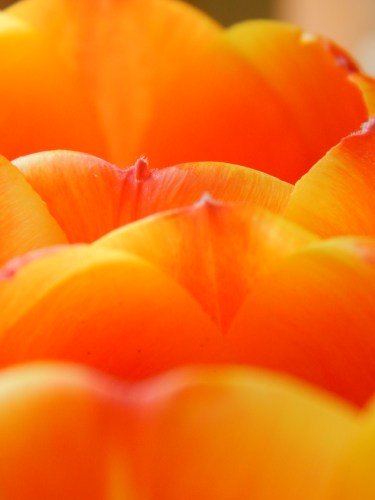
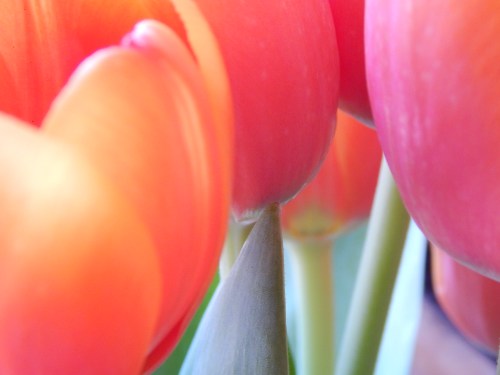
That was the color the bouquet of tulips appeared to be in the light of the shop. Then once brought home, placed in a vase, and bathed in the light of the sun all of these other colors appeared. An inspiring sight, to say the least.

Read Full Post »

brazil: banknote showing freed slaves cooking

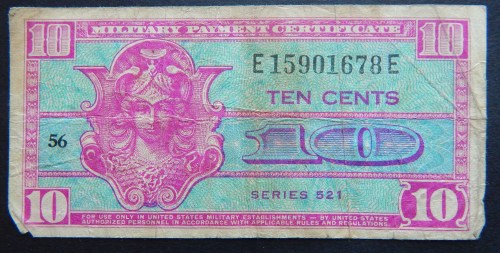
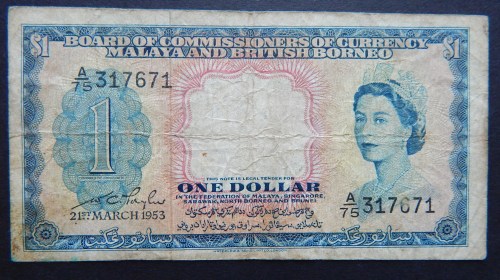
I am helping to research a bank note collection, mostly paper money from pre-World War Europe as well as other parts of the world. It is a fascinating project especially after the sometimes heated discussions here in the U.S. regarding the $20 bill and the plan to swap out the visage of Andrew Jackson for that of Harriet Tubman. Whichever $20 bill is held in hand in the future, embedded in that money, in the illustration, will be the story of that exchange. It’s the storytelling aspect that excites me about this bank note collection.  Gathered over many decades, the notes are like tiny time capsules with regard to artistic expression, economics, history and more. The nature of using money certainly continues to evolve (e.g. don’t carry cash at all, just swipe your phone!), but I expect paper money may be around for awhile.  Meanwhile, I’m looking forward to delving into the past and discovering the stories etched in these monies, a few of which are highlighted below.

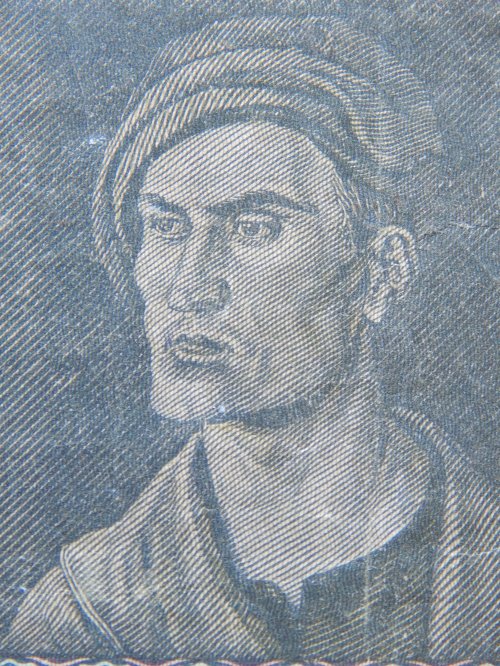
    france: 1940s bank note, front image of Pyrenean shepherd

france: 1940s bank note, image of Pyrenean shepherd

germany

germany: notgeld was emergency money

british armed forces special voucher

u.s. military payment certificate

Read Full Post »

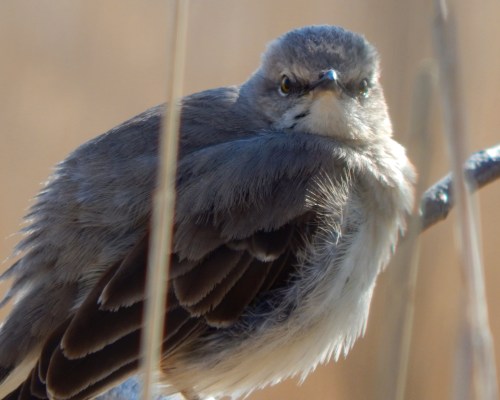
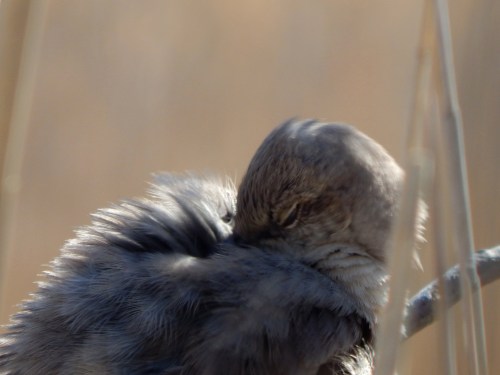
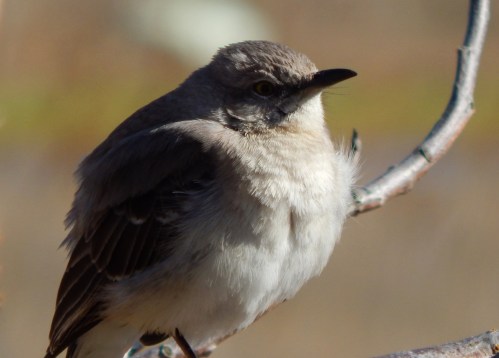
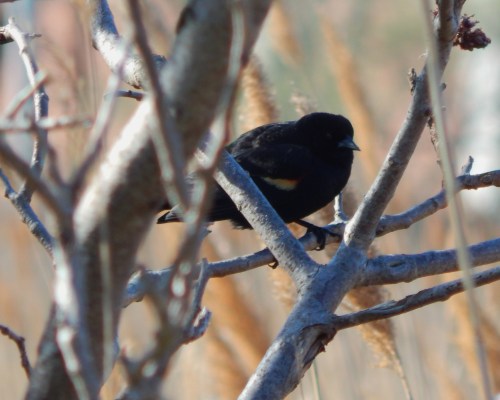
There were nearly as many birdwatchers as baby birds at the Belle Isle Marsh this weekend. And I’m not sure the birds were pleased.

Read Full Post »

My mother kept a bucket of chickens next to the back porch.  It was a big white bucket like an old stew pot.  Hens and chicks was what she called the little spiky plants growing in there. No matter how hot the summers, no matter how many other flowers and vegetables died in the baking Virginia sun, those plants survived to flourish the following year. They were easy to transplant. I remember picking up the little ones … they just popped right up out of the soil … and tossing them into another little cup of dirt. My mom told me to stop doing that because she’d specifically positioned her pot of chickens. Their singular location, next to the porch, was part of her garden design.
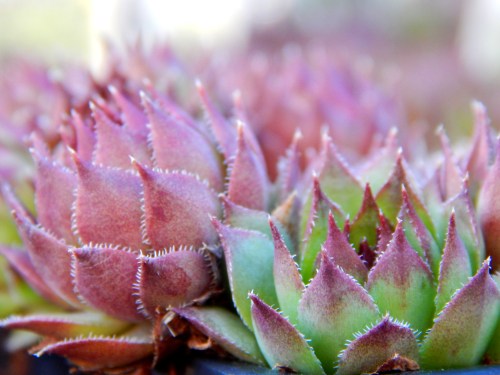
photo by cynthia staples

Now my mom and I did not formally speak of things like garden design and water-saving plants like her cacti. My dad did not discuss these things either though I remember he kept a barrel to collect rainwater and that he rotated crops in our little vegetable garden. He didn’t really explain the why of his actions. It was just what you did if you understood the system of which you were a part.
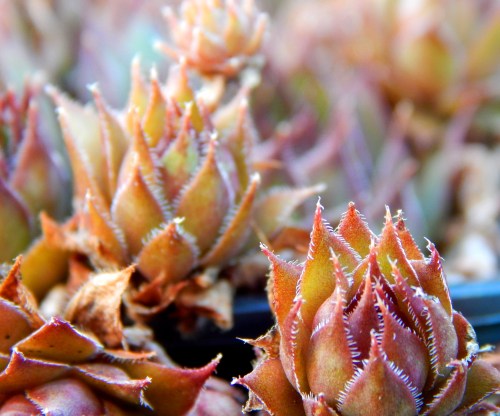
photo by cynthia staples

That’s what stands out for me in books like The Water-Saving Garden by Pam Penick.  Penick invites readers who are interested in gardening to deepen their understanding of how their world works.  My parents grew up in a time and place and were of a generation that knew the sources of their water and understood that those sources were not guaranteed. For all sorts of reasons that knowledge was lost as human ingenuity and engineering made water readily available in many places and seemingly endless.  Today, people are aware that engineering is not enough. We are a part of a complicated system. Water is not endlessly available for our needs. But what if you really want a garden?

It almost seems selfish but I have to admit I’m one of those people. If at all possible, for my peace of mind, I like to see something green growing around me and know I had something to do with it. And despite my fond memories of my mother’s chickens, I don’t necessarily want to grow them. What are my other choices in a water-saving garden?

photo by cynthia staples

photo by cynthia staples

Pennick’s book stretches one’s imagination about what form that garden can take. She reminds and encourages people to take the time to understand the landscape and climate particular to their region. Humor is sprinkled throughout the book (e.g. “Think of your plants as astronaut-explorers, boldly going where no plant has gone before.”) as well as lovely and informative pictures.

The Water-Saving Garden is content rich and makes a nice addition to the reference shelf. Every idea can’t be tried all at once. It’s a resource I can imagine filling the margins with notes of lessons learned as I try to garden more wisely while still having fun.

You can learn more about this book via the following links. I received this book from Blogging for Books for this honest review.

Additional Links

About Pam Penick: http://www.penguinrandomhouse.com/authors/152546/pam-penick/

http://www.penguinrandomhouse.com/books/246914/the-water-saving-garden-by-pam-penick/

Read Full Post »
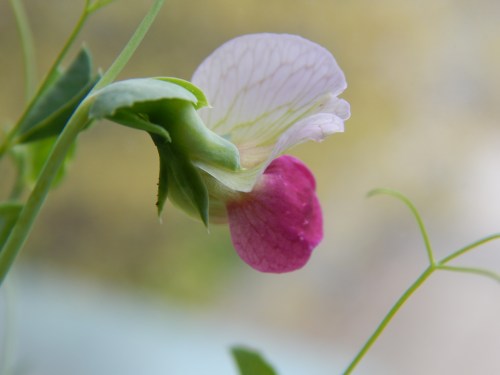
Read Full Post »
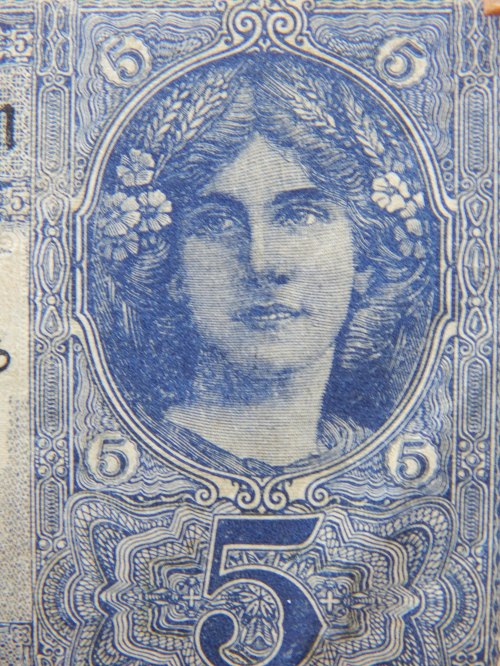
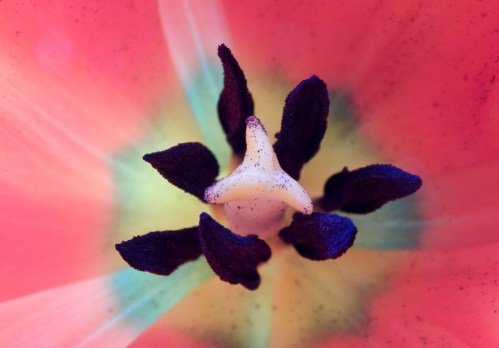
Just walking along on a sunny day and this is what I see looking back at me. 😉

Read Full Post »

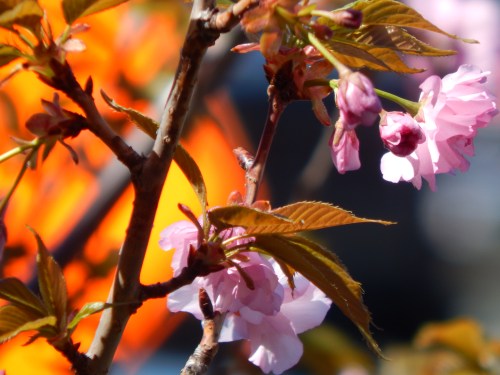
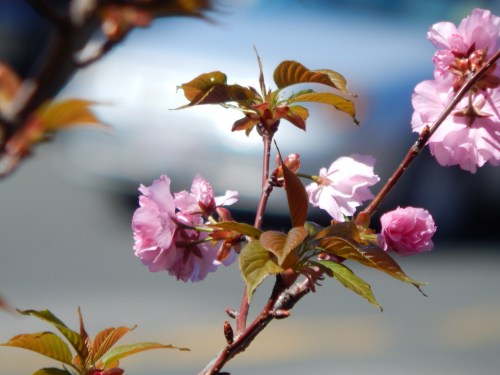
And all this beauty next to a parking lot 😉

Read Full Post »

« Newer Posts - Older Posts »