I am honored to have my food photography appearing in the latest edition of Edge of Humanity Magazine. A wonderful online publication. Enjoy. https://edgeofhumanity.com/2017/02/04/food-7/

the remains of clams casino
I am honored to have my food photography appearing in the latest edition of Edge of Humanity Magazine. A wonderful online publication. Enjoy. https://edgeofhumanity.com/2017/02/04/food-7/
the remains of clams casino
Posted in Inspiration, Kitchen Inspirations, Photography, Publication Updates | Tagged beauty, food, food photography, Inspiration, Photography | 2 Comments »

When I walked toward the river yesterday, I was so cold. I knew I couldn’t walk the length of the Esplanade photographing its wintry landscape but I felt compelled to try. I had not been to the river in a long time. Rivers have been on my mind of late.

I’ve been thinking about rivers and how they branch and what you can find in those branches over time. How rivers can run deep, they can run shallow, they shape the land even as the land shapes the flow of the waters.
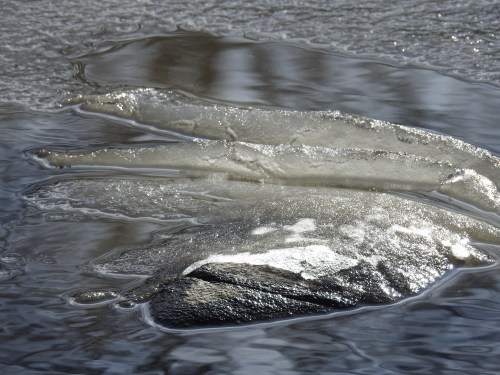
Of late both a song and a poem about rivers periodically run through my mind. The song, composed by Sam Cooke, begins …
I was born by the river in a little tent
Oh, and just like the river I’ve been running ever since
It’s been a long, a long time coming
But I know a change gon’ come, oh yes it will …
The poem, as written by Langston Hughes, opens …
I’ve known rivers:
I’ve known rivers ancient as the world and older than the
flow of human blood in human veins.
My soul has grown deep like the rivers. …

My fingers already freezing, I made it to the river’s edge and began walking along an icy stretch. I looked around waiting for something to catch my attention. I watched where the sunlight fell. Finally I came to a point, as may always be the case, when I had to decide how much further I could safely continue versus turning back.
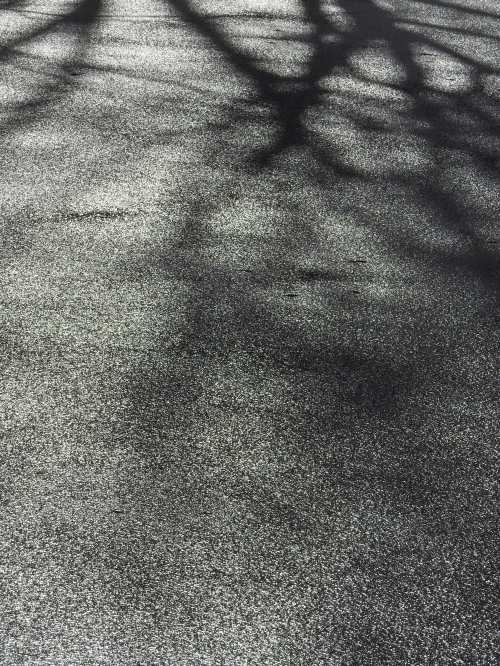
I paused, took a deep breath and looked around. I planted my feet and took a few photos. Right there. That was all I had. Just that given moment before I had to race into the nearest shop to warm myself. Later as I scrolled through the few pictures captured I was glad that I had decided to take action in that given moment. What to do in a given moment? That is the question I ponder as I follow rivers and as I do my best to follow the daily news.
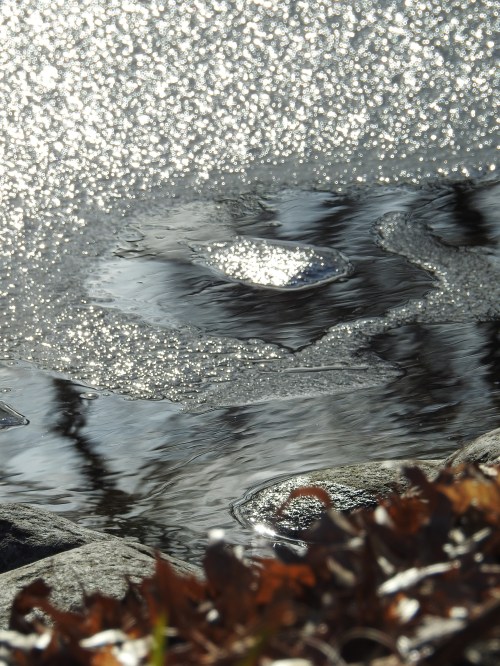
It is a deluge. A constant stream of information. A co-mingling of truth, lies, opinion, jargon and drama spread with too much rapidity across social media platforms, often without deep thought or editing. And not just at the Presidential level. The profound nature of the changes taking place right now in human history across this planet is quite breath-taking. It is paralyzing to some, invigorating to others, and then there is everyone in between. For me, I am learning, as by the river, to pause and take a deep breath, and then to decide what I can do, from where I am, at a given moment.
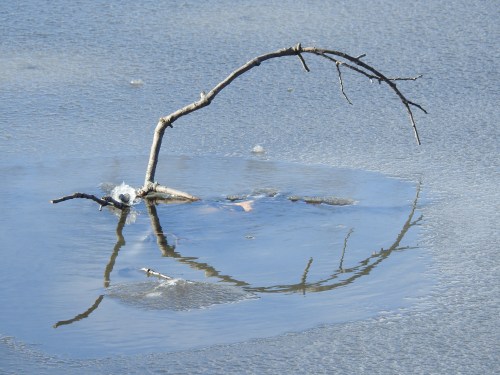
I’m not sure when I will be returning to the river, at least the Charles River. Too cold right now but Spring will come. The bared branches arching over the water will soon enough be green.
Sources & Additional Reading
The Negro Speaks of Rivers by Langston Hughes
A Change is Gonna Come by Sam Cooke
Posted in Inspiration | Tagged beauty, Inspiration, music, musings, nature, Photography, poetry, rivers | 3 Comments »
One thing people might not know about me is that as an adult I learned how to play the harmonica. I’d never played an instrument before. The class was in part an opportunity to do something different and also an homage to my father who played the harmonica when I was a child. I have a very nice harmonica tucked away somewhere. I haven’t played or thought about playing for years until I came across a 1975 recording of Babylon is Falling Down sung by Deacon Dan Smith with Nick Hallman & the Georgia Sea Island Singers. The music is on the disc, Shall We Gather at the River, highlighting Florida’s African American religious music. This song and 14 additional tracks can be accessed online via the following link: https://www.floridamemory.com/audio/cd3.php Well worth a visit to that page and the larger Florida Memory site to learn about the diverse history of the peoples that have shaped a place that is an important part of the American puzzle.
Posted in Inspiration, Music, Uncategorized | Tagged American history, black history, culture, folk music, Inspiration, libraries, music, sacred music | 1 Comment »
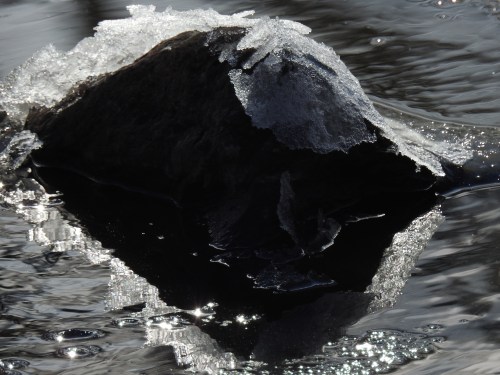
Seen while walking very very quickly by the Charles River today.
Posted in Inspiration, Nature Notes, Uncategorized | Tagged beauty, Charles River, Inspiration, nature, Photography, urban landscape, water | 3 Comments »

beets, red onion, and edamame with ginger and rice wine vinegar

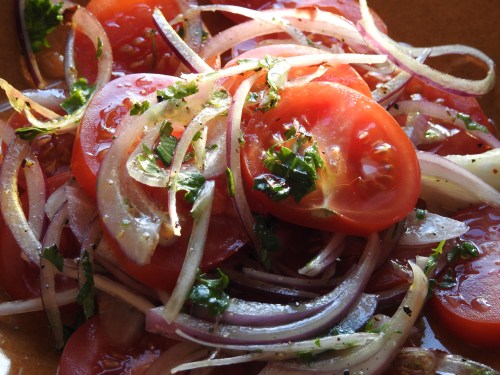
tomatoes, red onions and herbs served with warm bread
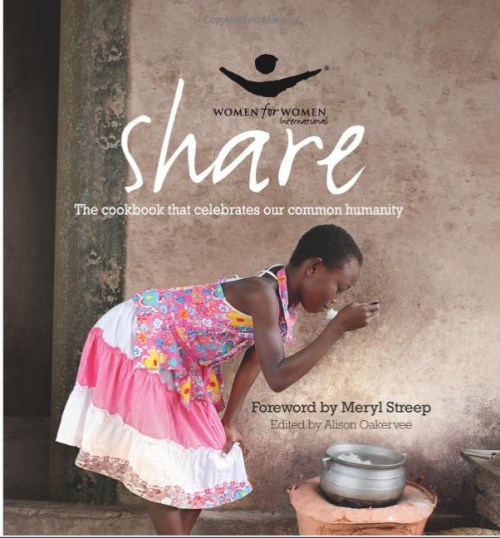
Two salads I made inspired by recipes in the cookbook Share: The Cookbook That Celebrates Our Common Humanity. The book was an unexpected find as I wandered through a local Ten Thousand Villages store. It kind of jumped into my arms with its beautiful photography, wide range of recipes from peoples around the globe from Kosovo to the Congo, and data about the challenges and opportunities for girls and women living in areas of great conflict. An inspiring book produced by Women for Women International.
Posted in Inspiration, Kitchen Inspirations, Uncategorized | Tagged beauty, food, food photography, healthy eating, Inspiration, philanthropy, Photography, salads, social outreach | Leave a Comment »

Posted in Inspiration, Nature Notes, Uncategorized | Tagged beauty, clouds, Inspiration, nature, sky, sunlight | Leave a Comment »
When I first saw this video, my first thought was I must share this with my young nieces and nephews. From dancer Lil Buck’s words about his life journey, his grace amidst the works of Matisse and other masters, and the lovely soundtrack, this short video is a gentle respite. I hope you enjoy.
Posted in Inspiration | Tagged art, beauty, black dancer, creativity, dance, Inspiration, Lil Buck, music, Nowness, performing arts, video | 4 Comments »

Detail from Purity by John La Farge
Posted in Inspiration, Uncategorized | Tagged beauty, colors, Inspiration, John La Farge, Photography, Purity, stained glass | 1 Comment »
Eventually, it would work this way — some places were safe and some places were not. If you could make it to the safe place, sometimes woods, sometimes city, then you were safe. But eventually laws were changed, compromises made, and so then even if you made it to the safe place, you could be forcibly brought back to the unsafe place. Sometimes people stood up for you. Sometimes those people were steadfast but there were times when even those pillars were pushed aside. That is what the children remember. How if they did not have the right papers, and especially if they had no papers at all, how the pattyrollers could pick them up, hit them, chase them with dogs. It did not matter if they had made it to sanctuary. Laws said that they were less than human. Only 3/5ths. Until a President put pen to paper.

It took me a while to understand the word drawn from the childhood experiences of the former slaves, their fears of the pattyrollers. These patrollers were charged with keeping track of slaves in the slave owning states and eventually given legal right to enter into free states and bring back those who had sought a free land. Back into slavery the children would go … until a President put pen to paper.
That President was Abraham Lincoln. His pen upon paper produced the Emancipation Proclamation, an executive order issued on January 1, 1863.
In his famous eulogy for the slain President, Reverend Phillips Brooks made note that Lincoln served a divided nation and describes how Lincoln was able to stand forth in the struggle between two American natures.
“We are told he did not come to the Presidential chair pledged to the abolition of slavery. When will we learn that with all true men it is not what they intend to do, but it is what the qualities of their nature bind them to do, that determines their career! The President came to his power full of the blood, strong in the strength of Freedom. He came there free, and hating slavery. He came there, leaving on record words like these … “a house divided against itself cannot stand. I believe this government cannot endure permanently, half slave and half free. I do not expect the Union to be dissolved; I do not expect the house to fall; but I expect it will cease to be divided. It will become all one thing or all the other.””
Brooks goes on with great eloquence, an eloquence that cannot be conveyed in a blog post but these words stand out to me … “Do not say that [slavery] is dead. It is not, while its essential spirit lives. While another man counts another man his born inferior …” Brooks ends the sermon with Lincoln’s own words delivered at Gettysburg. “He stood there with their graves before him and these are the words he said” –
“We cannot dedicate, we cannot consecrate, we cannot hallow this ground. The brave men who struggled here have consecrated it far beyond our power to add or detract. The world will little note nor long remember what we say here, but it can never forget what they did here. It is for us the living rather to be dedicated to the unfinished work which they who fought here have thus far so nobly advanced.””
Over 150 years after the American Civil War, I live in what is known as a sanctuary city and I work in a place of sanctuary. I read of students demanding that their campuses become places of sanctuary. I wear no blinders, at least on this subject. What has happened before can happen again. But it does not have to. It does not have to. All this said as a new President of a different character continues to put pen to paper.
Posted in Inspiration, Uncategorized | Tagged Abraham Lincoln, freedom, history, Inspiration, musings, Phillips Brooks, Photography, sanctuary, sanctuary cities, slavery | 3 Comments »

Detail from the stained glass window Purity by John La Farge
Posted in Inspiration, Uncategorized | Tagged art, beauty, design, floral inspiration, glass, Inspiration, Photography, stained glass windows | 1 Comment »
 Words + Images