Feeds:
Posts
Comments

Posts Tagged ‘churches’

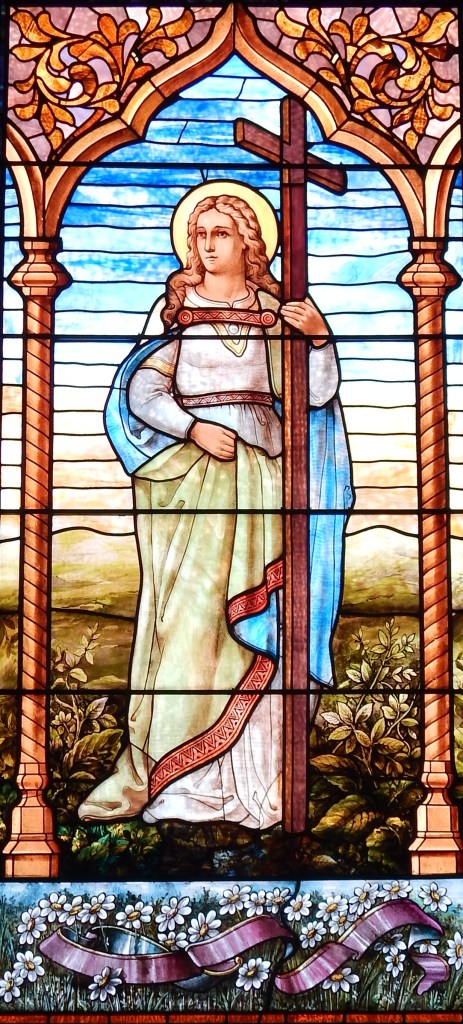
Recently (once again), I was walking down the street, this time in Cambridge, lost in thought, and chanced upon a large white wood building that I’d seen many times. A church.  Its main doors were usually locked midweek. But this day I decided to do something I’d never done before. I went around a corner and knocked at a different door, and this is what I learned.
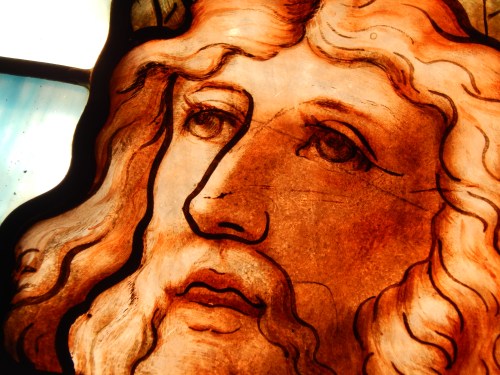
Now located at 8 Inman Street, Cambridge, MA, in the heart of Central Square, this church was once sited in a different part of Cambridge.  In 1822, the First Universalist Society built a meeting space in Lafayette Square, Cambridge at the corner of what was then known as Main and Front Streets.  In 1858, under the architectural supervision of Thomas Silloway, the Georgian style meeting house was significantly remodeled at a cost of $8,000.

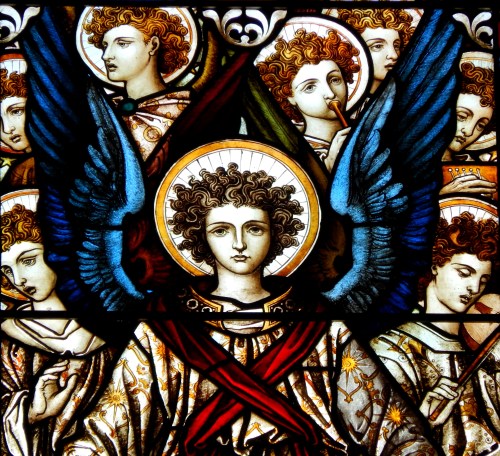
In 1888, part of the church lot was taken by the City of Cambridge for the widening of Front Street (now Massachusetts Avenue).  After careful consideration it was decided to move the building to its present location on Inman Street.  The building was cut into two parts and, as described in the church brochure, “Over a period of five days, men and horses were used to pull the building through the 40-ft. wide streets of Cambridge.  … Telephone and telegraph service were also temporarily interrupted…” When placed in the new location, a middle portion was inserted to increase the length twenty feet.  In addition to other major remodeling efforts, over time, there were at least three series of stained glass window installations. Artisans included Redding, Baird and Co., Belcher Glass Co., and an unnamed student of John LaFarge.

By 1954, the Universalist congregation had diminished to a very small number providing the opportunity for the orthodox parish of St. Mary to obtain the structure.  Later, assessed as part of the process for listing on the National Historic Register, the building was identified to have some of the rarest stained glass in the Northeast.

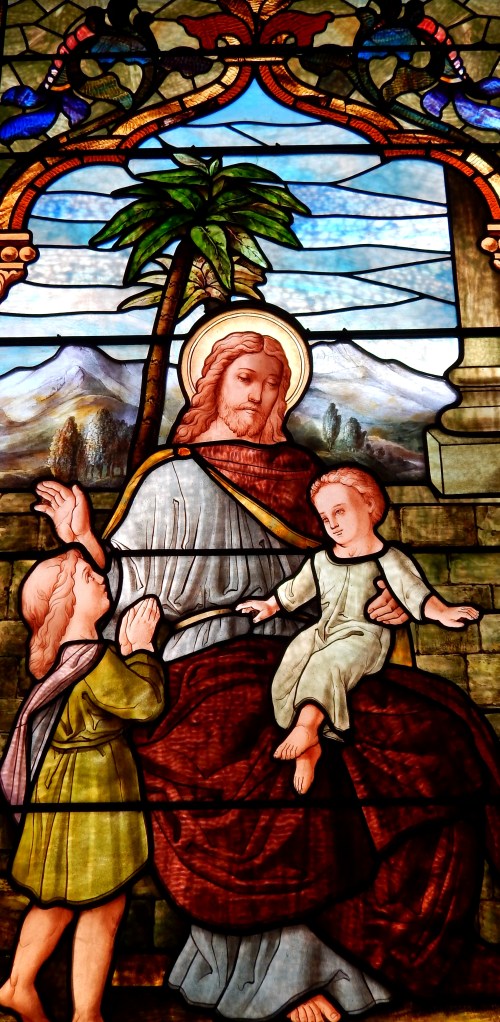
That particular day, I just took a quick peek, and what a delight.

Across time and despite the change in parishes, great effort has been made to protect, preserve and expand upon the stained glass windows and other interior decoration.
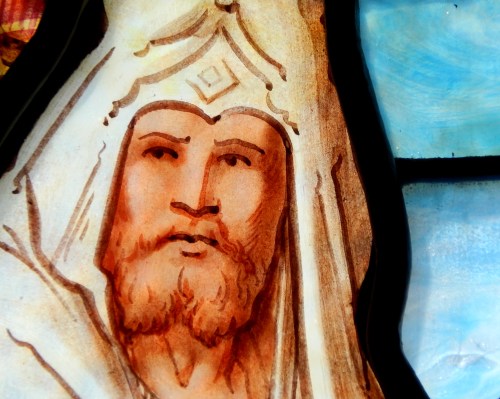
Please note that if you’re in the area, tours may be arranged.
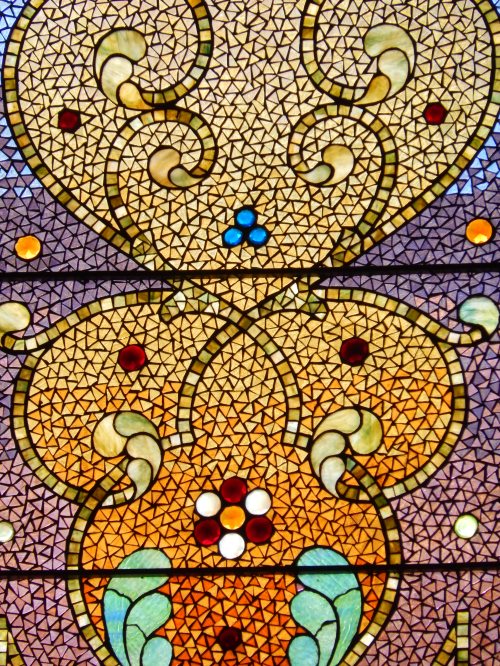
I am thankful for the opportunity to visit so unexpectedly.
And I was reminded once more …you never know what a day will bring.

Sources/Additional Readings

St. Mary Orthodox Church Website
Read Full Post »

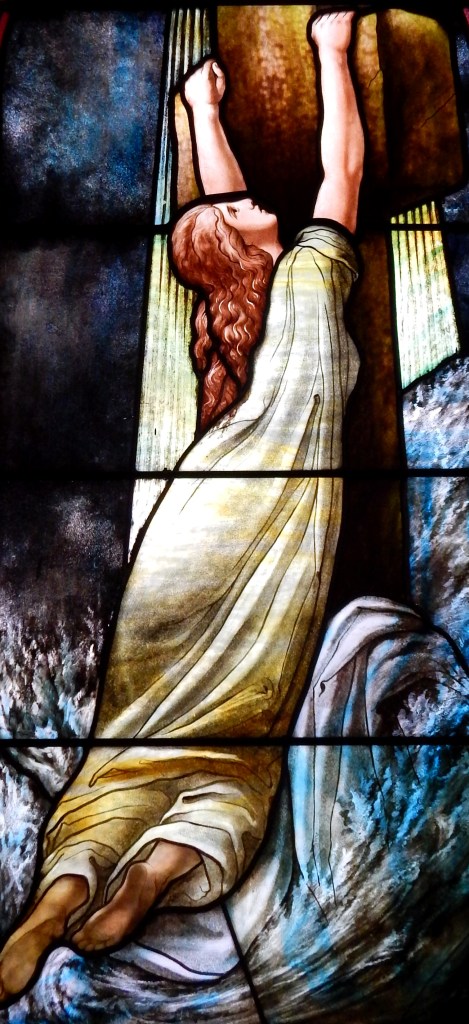
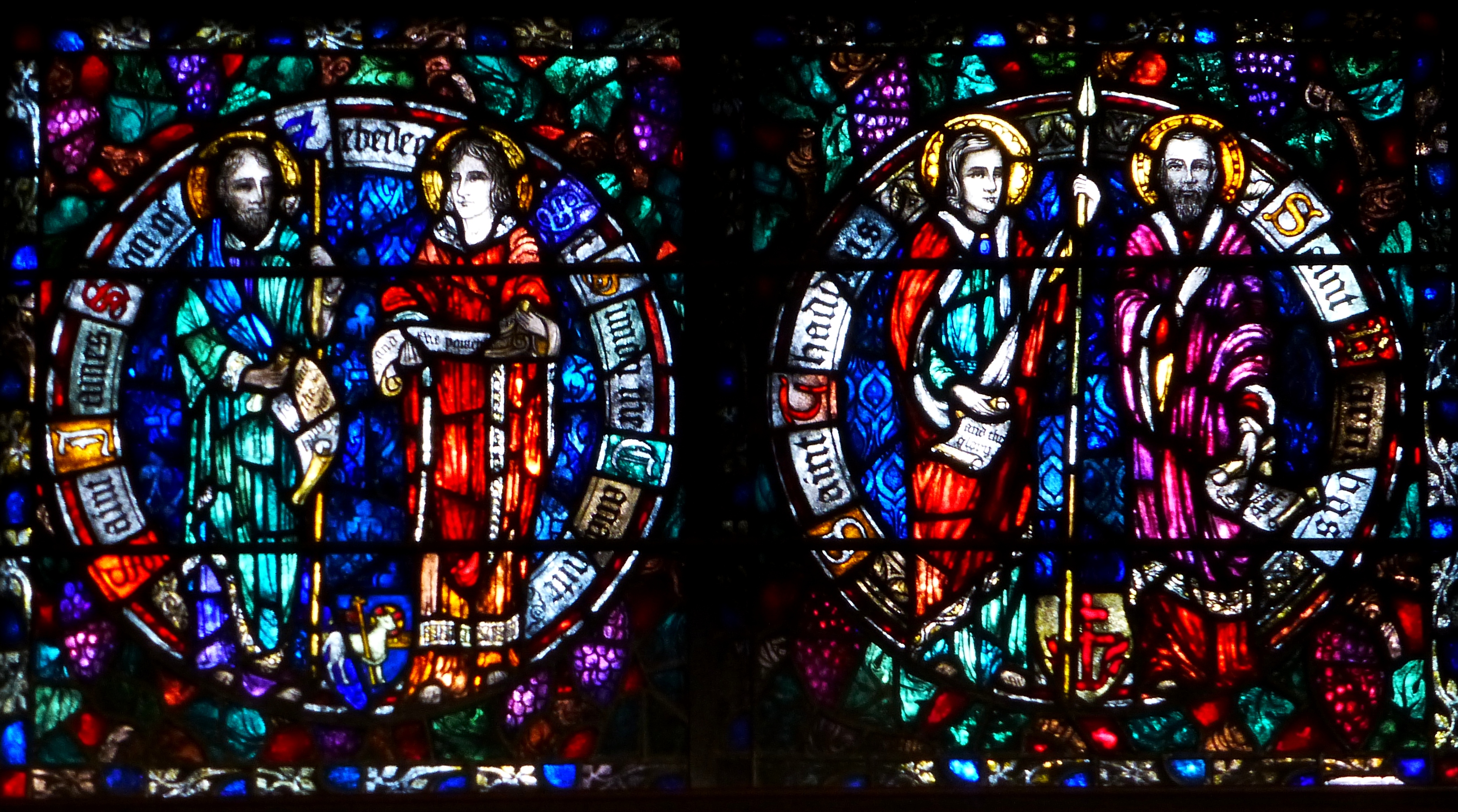
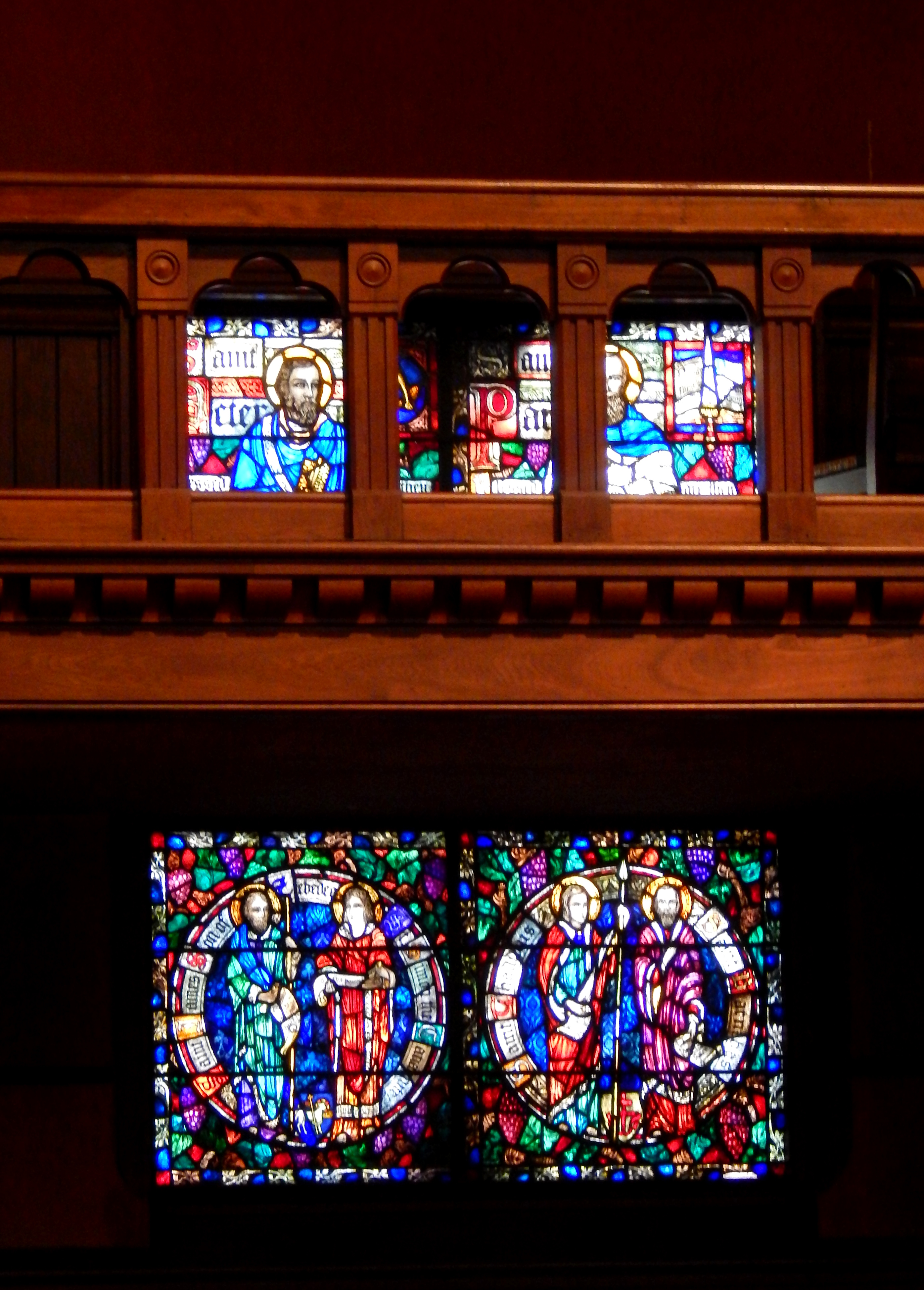
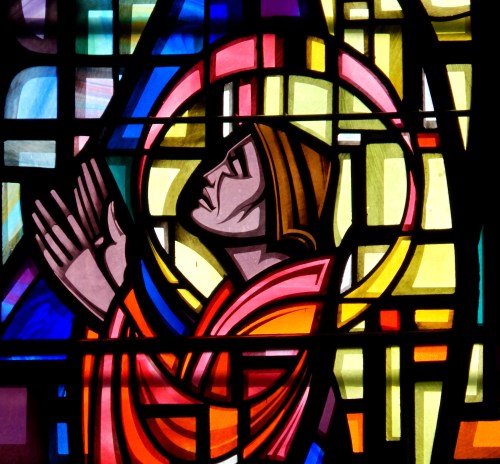
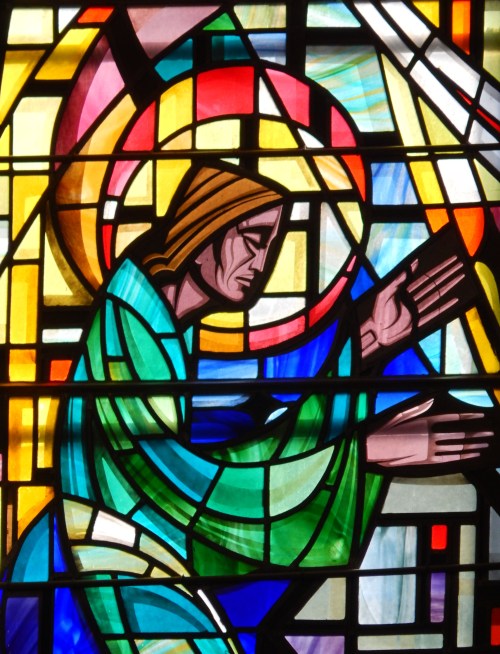
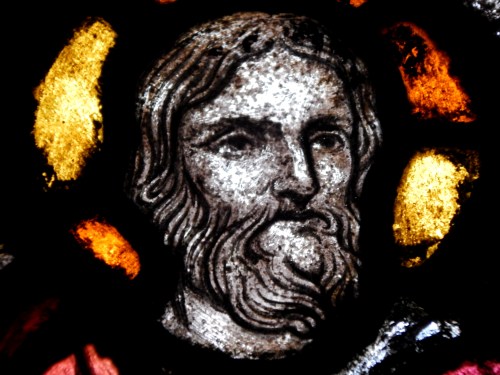
There is a person dear in my life who on occasion drives me crazy because he is compulsively compelled to help other people. As he likes to say, why else were we put here on this earth? A man of deep faith, his favorite saint is James.  I told him to tell me about James.  He shrugged and said, what more is there to say than what is faith without good works.  Indeed.  😉 This image of Saint James is one of two Saint James’s appearing in the the stained glass window designed by Margaret Redmond of Boston (1867-1948).  As you enter the sanctuary of Trinity Church in Copley Square, the windows are located to the left toward the north transept.  In the map one receives when engaged in a tour, the windows are labeled as Eight Apostles (1927).  In fact, all twelve apostles are represented, but only eight are most easily seen from the floor of the church, depicted in sets of four.
These eight apostles are James of Alphaeus, Matthias, Thomas, Bartholomew, James of Zebedee, Simon the Canaanite, Thaddeus and Simon Barnabus.

The other apostles — Andrew, Phillip, Peter and Paul — are paired above each set of four apostles.

A causeway not accessible by the public except during special events obscures their view …

… but assorted postcards and prints capturing their details are available in Trinity’s Book Shop.

What I enjoy about these windows is the explosion of colors.  Regardless of time of day or even season, there is always some new detail to discover.  For many reasons, they are an inspiring sight.

As the spring progresses, I hope to learn more about the artist Margaret Redmond, her life and her work.  As I do, I’ll be sure to share stories. Take care.

Read Full Post »

I was racing around the Back Bay of Boston and decided at some point that I needed to rest for a bit and so I stepped inside of the Old South Church at the corner of Boylston and Dartmouth Streets.  There were so many people sitting quietly that I decided that perhaps I should too (especially given the weight of my backpack).  And so I sat and focused my camera mostly on one window.  A large window above the chancel said to illustrate the announcement of the birth of Jesus to the shepherds.  Designed and produced by Clayton & Bell of London and installed in 1875.

Learn more about Old South Church, its history and current activities, via this link.

Read Full Post »

Spring will come! Meanwhile, here are a few projects that I’m working on.

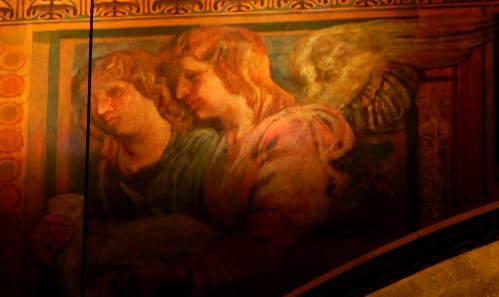
1. New postcards coming to the Trinity Church Bookshop.  Most of my previous images have focused on details of the stained glass windows.  These new images highlight the wall paintings, murals and the interesting play of winter light across the unique architectural features of the building.

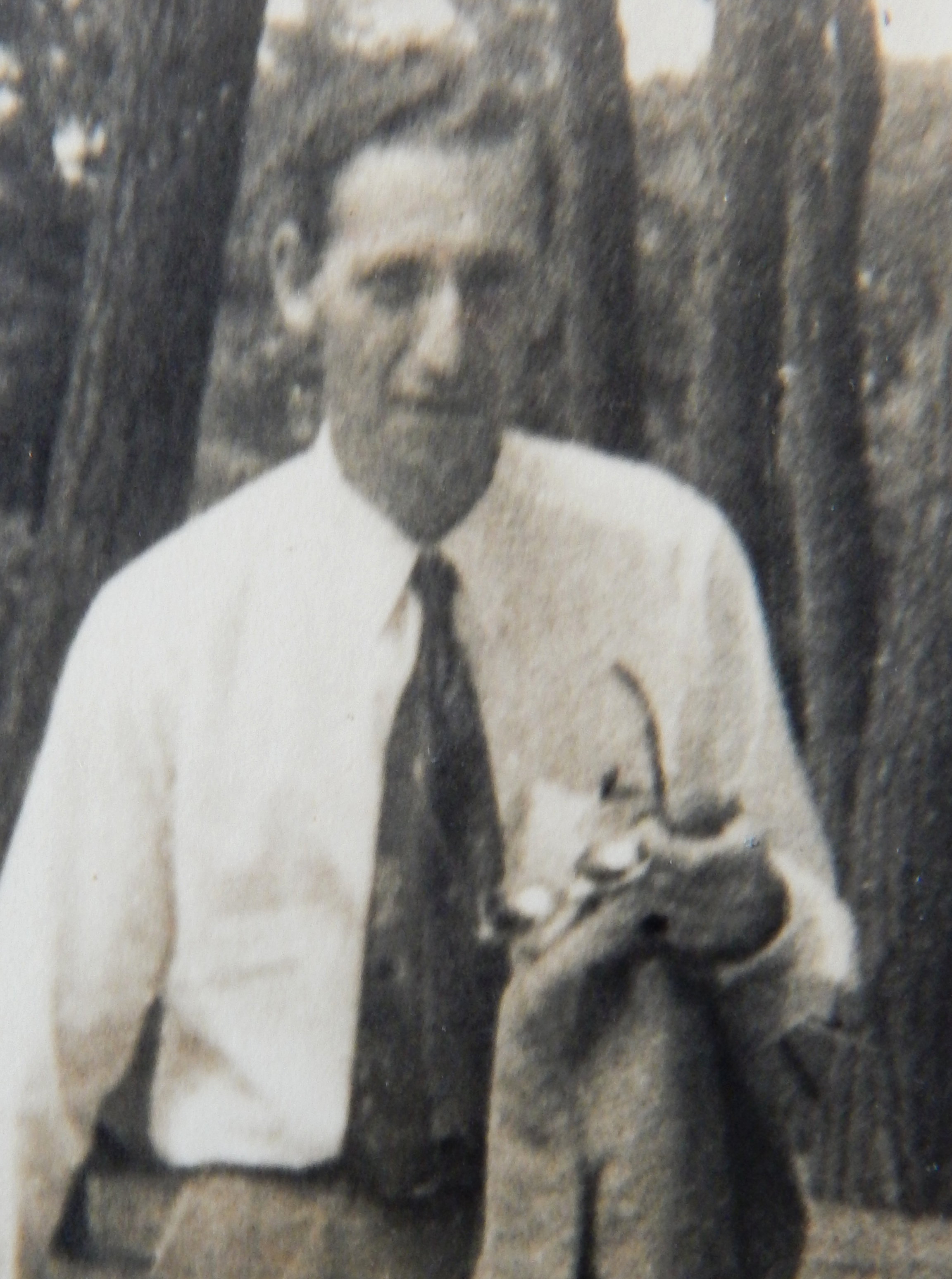
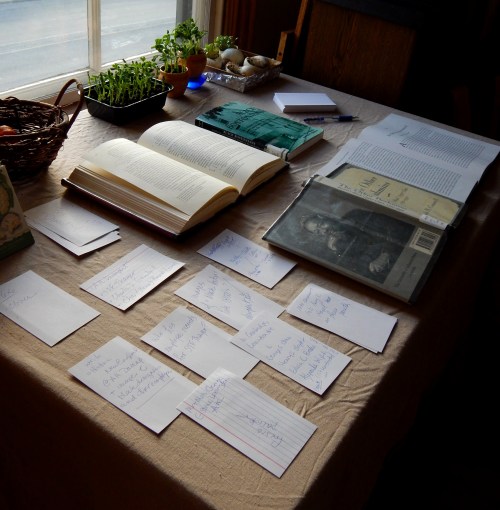
2. Moving forward with the InterludesInterludes is a collection of historical vignettes composed of words and images relating in someway to the life journey of Joseph A. Horne (1911-1987).  My research into his life began, in part, out of curiosity sparked by stories that he’d told his son and his son would later share with me.

Researching his life became a walk through history as I learned about orphan trains, immigration, the Depression, the Farm Security Administration, photography used at home and in war, and then there was the Monuments, Fine Arts & Archives program.  What a delight to share with his son, “Hey, did you know your dad was one of the Monuments Men?”

In addition to my main chapters, there are “interlude extras.”  Please check out previous posts here:  interludes TOC.  Coming soon Mr. Horne’s correspondence in the 1940s and 1950s with photographic historian and collector, Dr. Erich Stenger, and the complexities of operating the Offenbach Archival Depot.

3. Collecting and Sharing “Lost” Stories. It’s not so much that most of the stories are lost.  I just think that some portions of these stories could be more widely known.

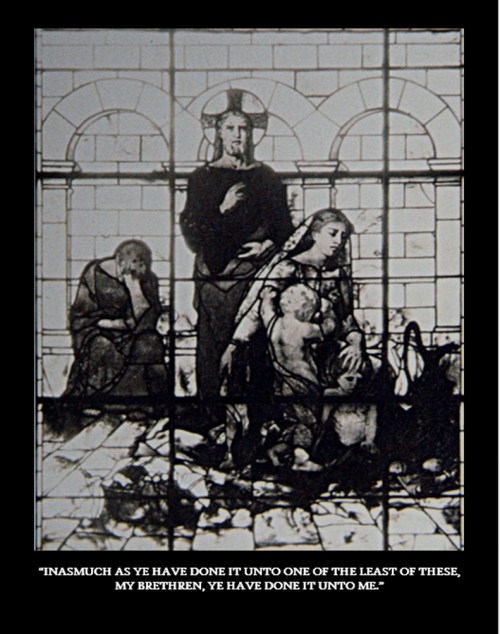
For instance, it’s not so much sharing the technical story of this stained glass window designed by Frederic Crowninshield in the 1880s (which was sadly dismantled in the 1950s).  What I’m looking forward to sharing is the story of the remarkable Bostonian for whom the window was created and whose legacy is still being felt today.

I’m also looking forward to sharing even a small portion of the story of an African American architect who started out designing stained glass in the late 1800s before moving on to design buildings, and even starting an architecture department, before his death in the late 1920s.  Researching this man’s life has opened my eyes to the role of African Americans in architecture.  It has also given me a new perspective on the complexities of life, within and across ethnicities, as America forever dances (and fences) with the idea of becoming a “melting pot.” Stay tuned.

4. More Food Photography.  Well, when you’re stuck in a “snow globe” after many successive snowstorms, and your favorite place to work at home is the warm kitchen, you can start to have a lot of fun photographing food.  We’ll see what the rest of this wintry culinary season has to hold for me and my camera.

chive sprouts

chive sprouts

Moro

Moro

That’s the scoop. Stay warm!

Read Full Post »

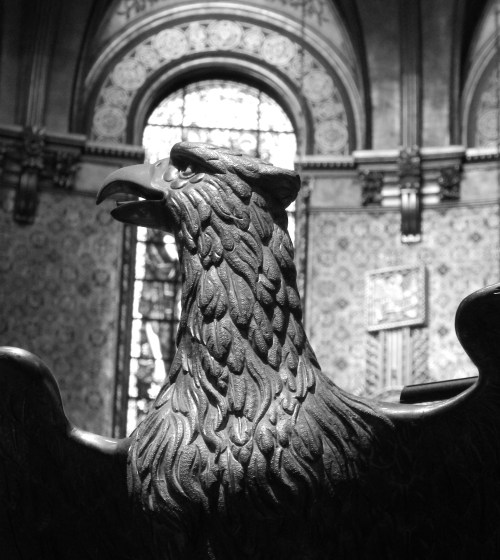
Close-up of the eagle lectern in the sanctuary at Trinity Church in Copley Square, Boston.

Read Full Post »

More images from Galway Cathedral. I was able to briefly visit the cathedral on two different days.

The first day was cloudy but on the second there was a period of bright sun.

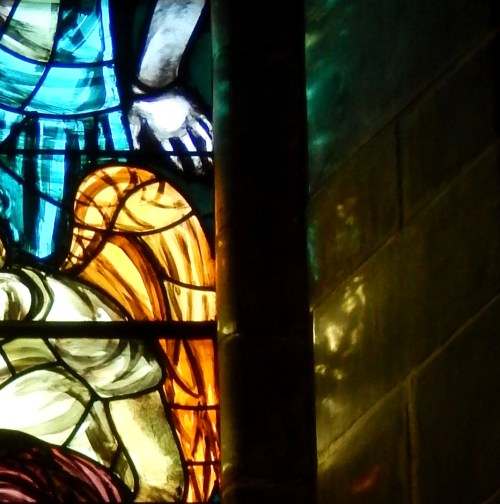
As I tried to capture the colors of stained glass shimmering on the wall, I was reminded of light dancing on water and nature’s colors reflected and rippling on the surface.

A magical moment, indeed.

Read Full Post »

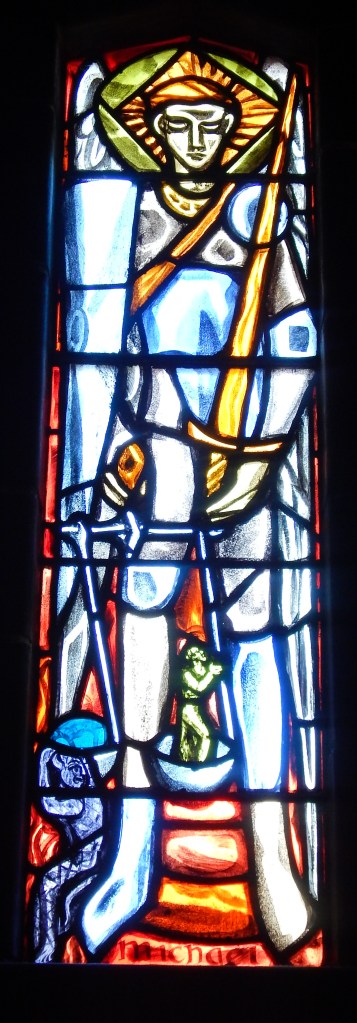
Of all the buildings that I was able to step into in Galway, I was able to spend the most time at the Galway Cathedral.  Dedicated on August 15, 1965 by Cardinal Cushing of Boston, it is noted as the youngest of Europe’s stone cathedrals.  Its art and architecture reflect many different styles and periods from Byzantine to Gothic to Romanesque.

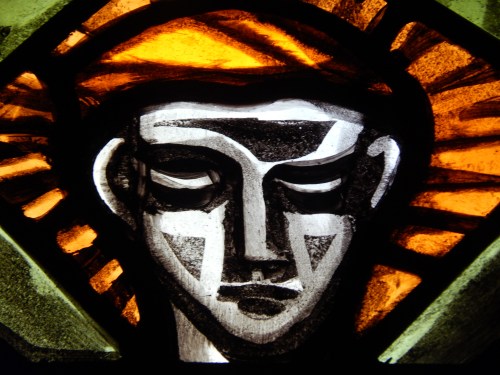
Detail from St. Michael, by Patrick Pollen of Dublin

Detail from St. Michael, by Patrick Pollen of Dublin

Online, there are many images of the exterior.  My camera tended to focus on the variety of stained glass windows, mosaics and carvings on the interior walls.  In addition to learning the larger story of the building’s creation, it has been a pleasure to research and learn about the individual artists, like Patrick Pollen, who dedicated so many years of their lives to producing artwork for this cathedral.

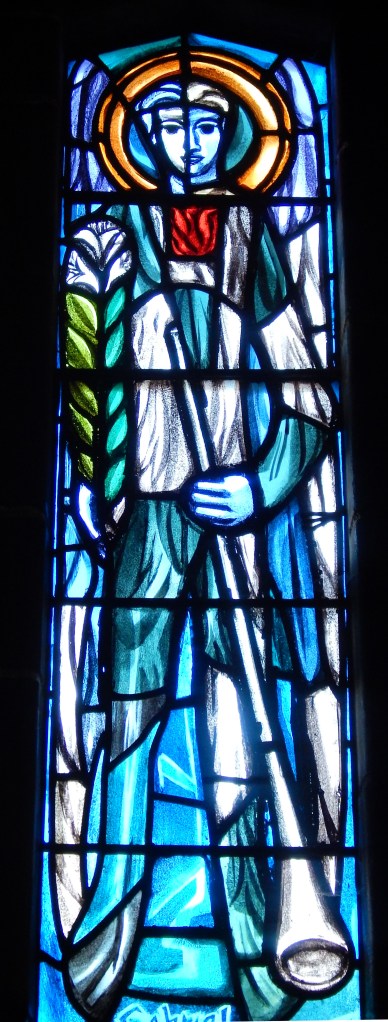
Detail from St. Gabriel, by Patrick Pollen of Dublin

Detail from St. Gabriel, by Patrick Pollen of Dublin

It will take me a while to sort through the images and continue my research.  There are always stories to discover! Until I pull together my words and images about this beautiful structure, here are few images to peruse.

Read Full Post »

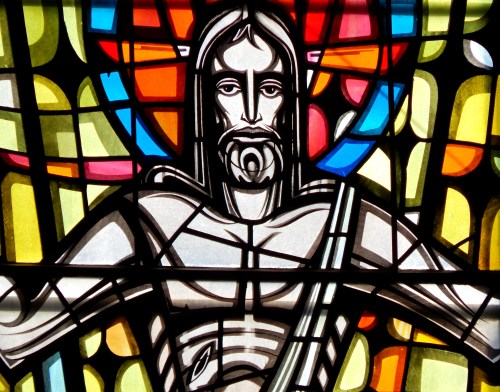
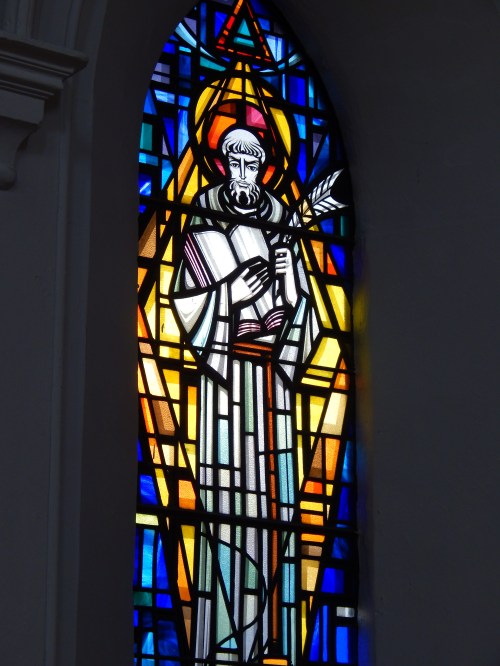
As I’ve written about before, one of the great pleasures for me of stepping into a church is to see the wide variety of artistic expression through stained glass.  Such is certainly the case with a quick visit to St. Augustine’s, a Gothic church in Galway completed in 1859.

Apparently during renovations in the 1970s, the original window over the main altar was replaced by a new window depicting the Resurrection. The artist is George W. Walsh.You can read a bit more about Mr. Walsh via this link. His father, with whom he apprenticed for several years, was a pupil of stained glass artist and illustrator Harry Clarke.

While no one seemed to mind me meandering about with my camera, I focused mostly on that window above the altar with its many lovely parts making an incredibly beautiful whole.

The other window that caught my attention happened to be a depiction of St. Augustine himself.  Later I discovered that Mr. Walsh also composed and completed that window.

It was a bit rainy that day so I did not take many exterior shots, but via this link you can view the building.  On this webpage, you can read just a bit more about the history of the Augustinians in Galway and more about the construction of this particular building.


Read Full Post »

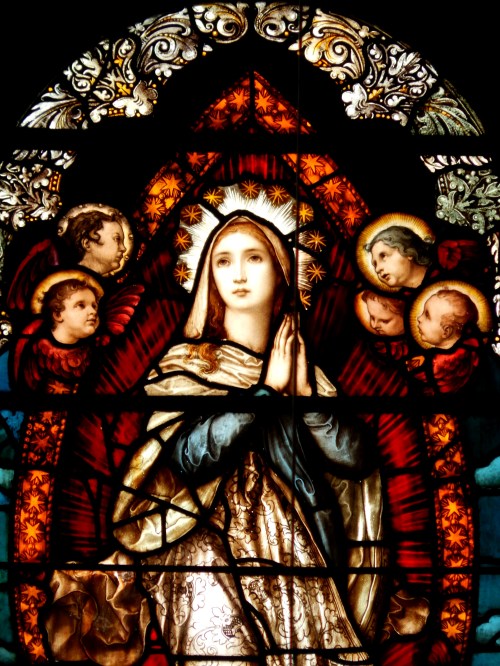
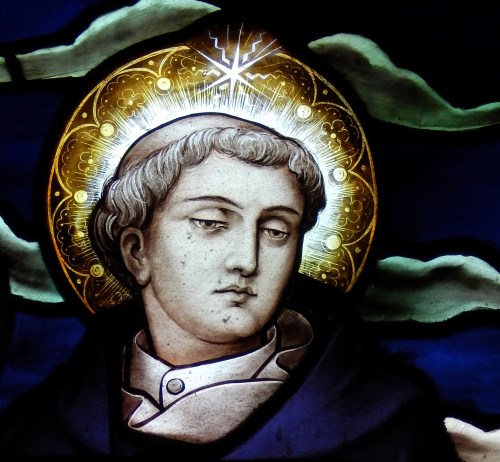
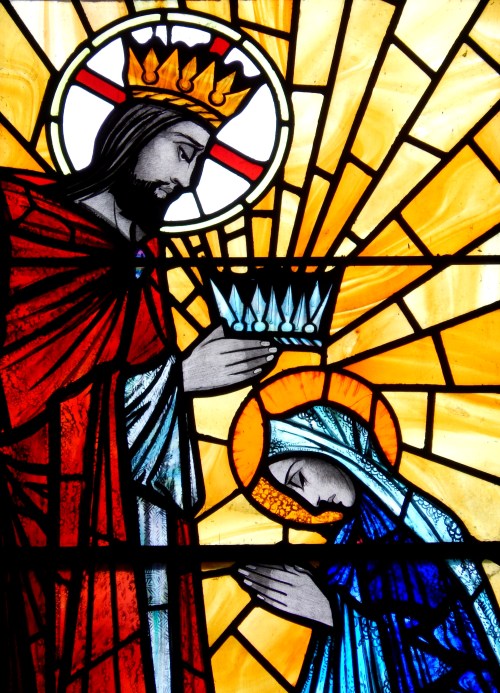
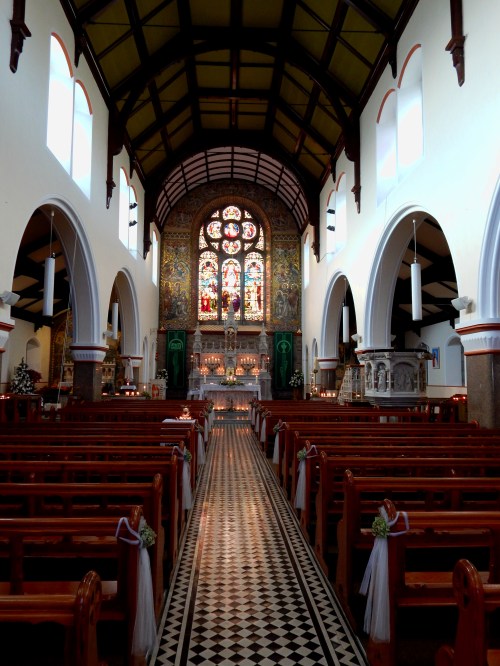
I’ve been on a bit of whirlwind travel for work and pleasure. In addition to spending time among swans, I managed to step into a few churches along the way.  Here’s a bit of the beauty to be found at the Priory of St. Mary’s, The Claddagh, Galway, Ireland.  I hope I have the opportunity to return one day.

Read Full Post »

Stained glass reflected on the stone floor at Cathedral of the Holy Cross in Boston’s South End.  The actual stained glass windows I may post in the future.

Read Full Post »

« Newer Posts - Older Posts »