Feeds:
Posts
Comments

Posts Tagged ‘flowers’

The church was decorated with Easter lilies and pink roses and the entrance to each pew marked by a cluster of lilies. Palms were placed in pew openings and stood at various points to create a natural chapel. Upon the altar more lilies and roses. The war had limited the number of guests in attendance but even so Emmanuel Church on April 21, 1915 was filled with those wishing well the bride and groom, Leslie Hawthorne Lindsey of Boston and Stewart Southam Mason of England.
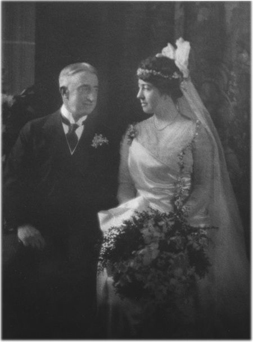
william lindsey, father of the bride, and daughter leslie lindsey

The bride wore white satin made with rose point lace and garnitures of small clusters of orange blossoms. The flowers held in place a veil of Limerick lace made especially for Miss Lindsey in Ireland the previous year. She carried a bouquet of white orchids and jasmine. Her wedding party wore shades of blue and pink silk, their gowns adorned by rosebuds. The bride maids carried baskets of pink sweet peas.

After the ceremony, there was a reception in the Bay State Road home of the bride’s father, William Lindsey. The bride’s mother now wore blue silk in a shade known as moonlight embroidered with baskets of silver. Flowers prevailed, decorating each room, smilax in the hallway, greenery entwining railings and baskets of roses on the stairs. Bells rung in celebration on both sides of the Atlantic as everyone knew that soon the bride and groom would return to his home in England and all they need do was board the Lusitania.
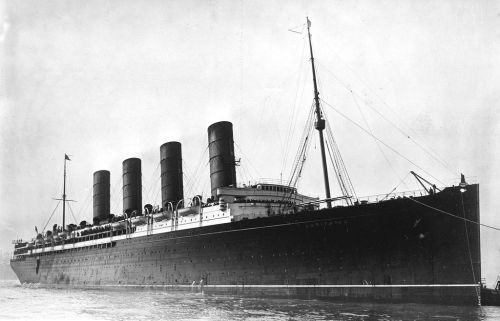
rms lusitania

rms lusitania

The RMS Lusitania would depart New York for Liverpool on May 1, 1915. On May 7, it would be torpedoes and sunk by a German U-boat. At least 1, 198 passengers and crew would die, including newlyweds Leslie Lindsey and Stewart Mason.  When the body of Leslie was returned to her father she wore the jewels that her father had given her.

A heartbroken father would do several things over the years in memory of his lovely daughter, one of which was to buy a piece of property adjacent to that of Emmanuel Church in 1919.  A chapel would be built. Begun in 1920, the structure would be finished in 1924.

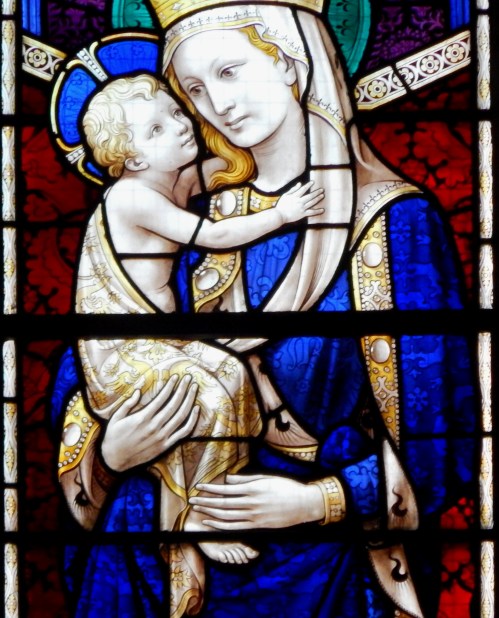
The chapel was designed by the architectural firm Allen & Collins. John Ninian Comper (1864-1960) designed the chapel’s decorative scheme from the altar to the chapel’s signature stained glass windows. Sadly, William Lindsey did not see the finished chapel. His youngest daughter shared memories of seeing her father sitting across the street watching the building’s construction and knowing he would not live to see it completed.
Sources and Further Reading

History of Lindsey Chapel on Emmanuel Church website

Boston Evening Transcript, April 21, 1915

John Ninian Comper

Emmanuel Church building information

Read Full Post »

Read Full Post »

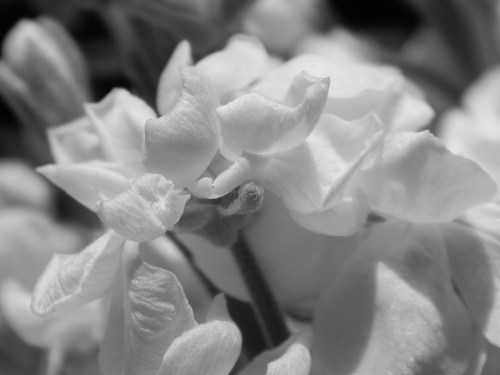
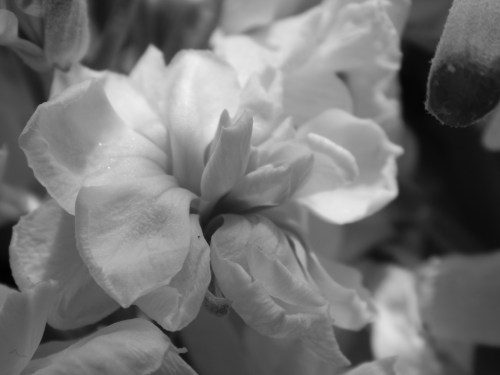
… and it fell apart so beautifully. A mammoth bouquet of white flowers with leaves of frosted green whose name I do not even know. I saw it sitting in a black bucket across the store and knew I had to have it. Back on the shelves went a sundry of things because I decided I needed that bouquet more than dark chocolate and such.  It lasted a long time, that bouquet, and during chaotic times I could stare into its midst, with coffee in hand, and just breathe deep.  And it was the breathing deep that got me in the end because after a while, darn allergies, the bouquet’s pleasant scent wasn’t so pleasant after all and so into the hallway it went. With hand over nose, I’d occasionally glance out at its soothing beauty until I needed to be soothed no longer.  As it dried, it fell apart so beautifully.

Read Full Post »

I discovered a second nasturtium bloom! Just one and inspiration enough for this small spring salad of pea sprouts, red onions and tomatoes dressed with a bit of olive oil, salt and pepper. 😉

Read Full Post »

I’d grown them from a few seeds earlier in the winter. When the seedlings grew thick I separated them into two pots and stationed them at two different windows.  Many small leaves with long stems as the plants reached for the sun. I’ve not been the best caretaker and so I mostly watched the green leaves turn beautiful shades of gold as they dried on the vine.  But then just as I was contemplating emptying the pots in preparation for some new spring thing, I noticed a bud. Just one. It finally opened today. And again, like last year, I was taught patience. 😉

Read Full Post »

while watering the primrose

Read Full Post »

the wonders to be found while wandering around inside a mall

Read Full Post »

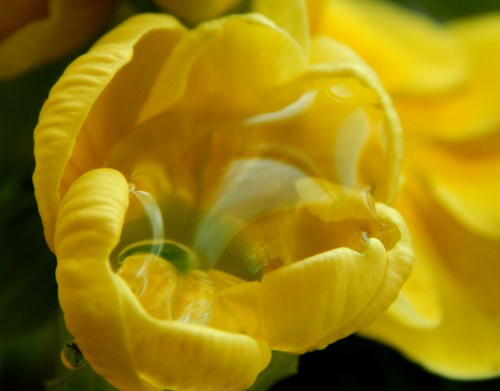
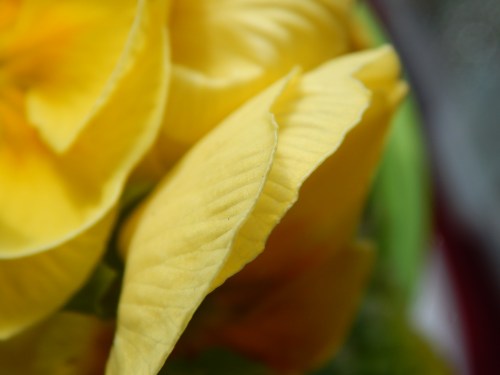
My $1.98 primrose plant. I was on the lookout for herbs but those yellow petals caught my attention.

Read Full Post »

Fading but still quite beautiful.

Read Full Post »

Bees are not the only pollinators in this world but they are a major one. There are many different species of bees. Growing up in Virginia, I’d heard of sweat bees, and knew bumblebees on sight, but it was the honeybee with its soft gold and black coloring that I most thought of when I heard the word bee. I took for granted its production of honey and the wax harvested from colonies for my candles.  And I was quick to bat the insect away when I walked through a field of flowers. As for its role as pollinator, I didn’t think too much about that nor did many until reports of colony collapse disorder made national and international news.

photo by cynthia staples

As noted in the introduction of The Bee-Friendly Garden, “over 70 percent of the world’s plants depend on the pollination services of bees, including many nuts, fruits, tomatoes, peppers, or berries.” While the world might survive without bees, it would be a very different place to say the least.

One of the delights of this book is that the authors, a professional garden designer and an ecologist, educate, inspire and encourage.  Regarding the U.S., they describe the difference between native bee species and honeybees, and how bees and wasps look similar but behave very differently.  Honeybees with their yellow and black banded bodies are probably the most common image of bees, but native bees come in many shapes, sizes and colors, their bodies evolved to collect the pollen from a wide variety of plants, shrubs and trees.  Lists are provided by region of bee-friendly garden compositions, and in turns out that many of those same gardens — a mix of annuals, perennials and more — can attract and support other important pollinators like bats, butterflies and hummingbirds.

The book is an incredible resource and reference guide and I would suggest it as a wonderful addition to one’s gardening library.  The authors make clear with straightforward content that you don’t need to be a master gardener or landscape designer in order to create beauty around you and do some good in the world as well. As some of you know, I love to give seeds and plants to friends and family who live across the U.S.  This year I will certainly be using this book’s regional plants lists to help guide my selection of seeds.

photo by cynthia staples

I received this book from Blogging for Books for this honest review.  Detailed book information available via this link: http://www.penguinrandomhouse.com/books/243475/the-bee-friendly-garden-by-kate-frey-and-gretchen-lebuhn/

Read Full Post »

« Newer Posts - Older Posts »