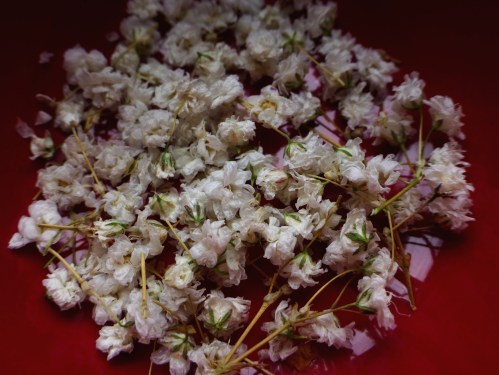
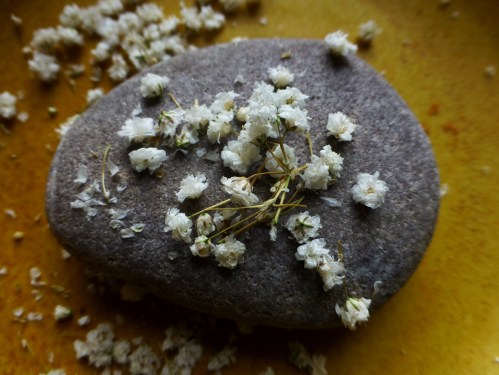
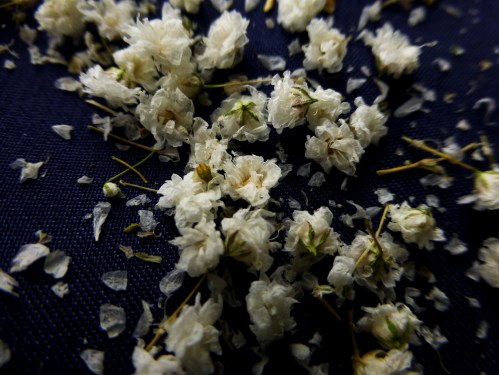
The recipe for this photo shoot: a few sprigs of baby’s breath, a small red bowl, a gold saucer, one stone, and a square of blue cloth.
Posted in Branches, Inspiration, tagged abstract, baby's breath, Branches, colors, flowers, Inspiration, Photography on April 8, 2014| 1 Comment »
The recipe for this photo shoot: a few sprigs of baby’s breath, a small red bowl, a gold saucer, one stone, and a square of blue cloth.
Posted in Inspiration, Nature Notes, tagged beaches, colors, Inspiration, landscape, nature, Photography, Revere Beach, seaweed, shells, sunset, walks, water on April 7, 2014| 6 Comments »

These images are from a quick walk taken just before sunset
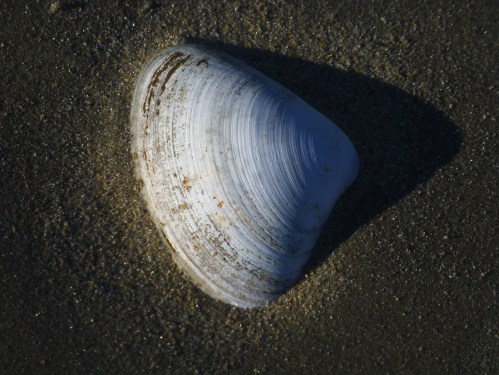
when the low-angled light was so bright and wonderfully illuminating.
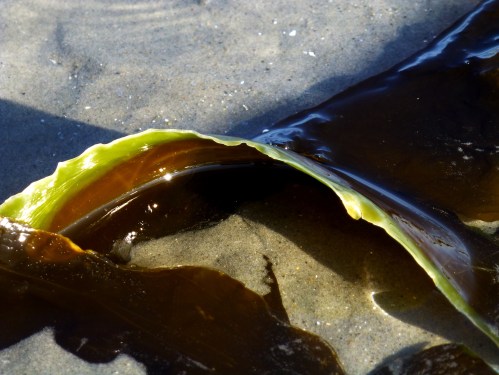
The end of day was a bit blustery and I think the tide was coming in
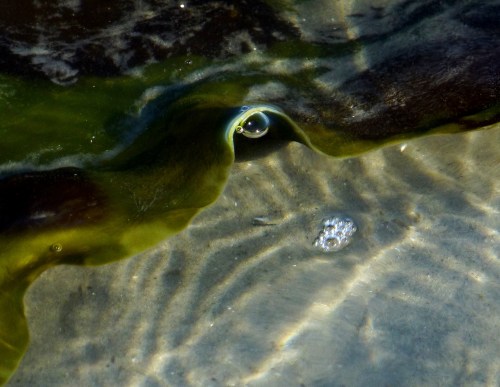
producing ripples and waves wearing away at the sands.

I collected some rocks that I’m sure I’ll play with over time. Other items were picked up long enough to photograph but they were left behind and are now probably back beneath the ocean.
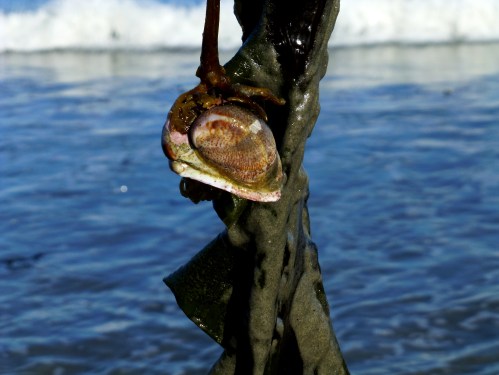
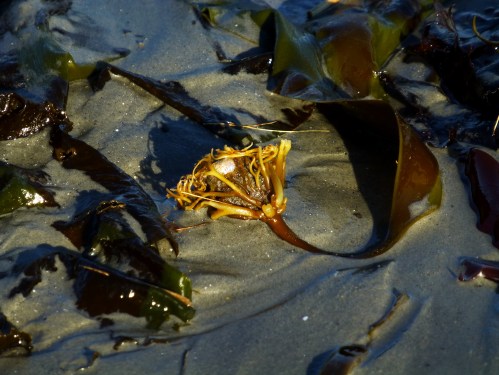
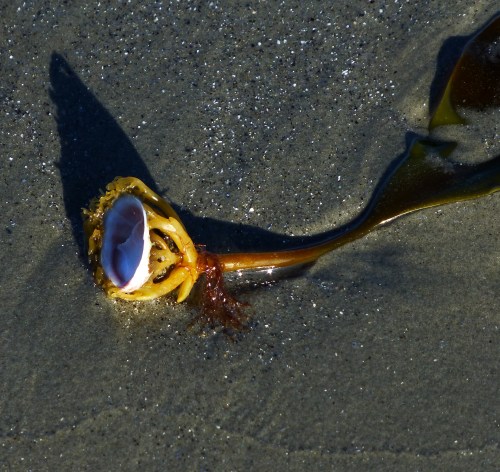
Such a walk was a nice way to end the day.
Posted in Inspiration, tagged compassion, family, friends, friendship, gifts, Inspiration, life, love, musings, Photography, seeds, wishes on April 6, 2014| 6 Comments »

I wish I had the money to wipe away all of the debts of my family and friends. Because if their debts were gone, would that make them happy? Would financial freedom allow them to treat themselves better, as well as improve their treatment of the people in their lives? No fancy behavior required, just respect, if not outright love and compassion.

Would it enable them to give the people in their lives a hug, on occasion, or at least a pat on the hand, and even sometimes to perform such actions without even being asked? Would it enable them to talk to each other and communicate in ways that work for all involved and not just one side? Perhaps conversations could take place without someone always having to be wrong so that someone can be right.
 But I don’t have such funds to give and even if I did, I’m not sure that it would make a difference because in the end, I can control no one’s behavior except my own. Maybe I should wish for the money so that I can travel around the world, to where all these friends and family members live, those that are suffering and in some form of pain. Perhaps I could pass out those hugs or those pats on the hand, so that certain people know that they are loved and that their presence does make a difference to the people around them and always has, even if words of gratitude are not often shared.
 Of late I have received so many calls and notes from friends and family, all suffering in some way, but mostly feeling alone though they are surrounded by others. I hear only their words, and know that there is always more than one side to any story. I can make no judgements about those others in their lives. I just wish that all were happy and each knew how precious each day was to have such people in their lives. I can listen to the words and I can read the notes but I cannot change behavior. But there is something I can do.
 Each spring into summer, I buy seeds of all kinds, in packages large and small. I send them out into the world to family and friends, of all ages, to help people pause and maybe even share a precious moment with others as they plant the seeds in the soil. I send them to the closest of friends and family, and I send them to family and friends I know not very well at all. I send them to the people who cannot speak to each other in hopes they can plant a seed together even if they do so in silence. It is a selfish act — to know that I did something, gave something, to another. I do not know what the seeds do for the recipients or even if the seeds are planted. I simply hope they are. I hope they are.
*the photographs are the latest series of photographs taken through the rippled glass, of life blurried but still beautiful
Posted in Inspiration, Kitchen Inspirations, tagged food, food photography, gardening, herbs, indoor gardening, Inspiration, Photography on April 6, 2014| 1 Comment »

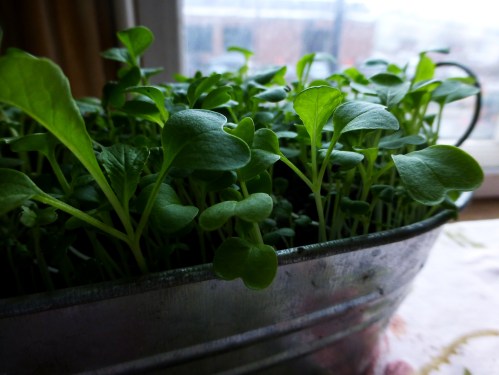
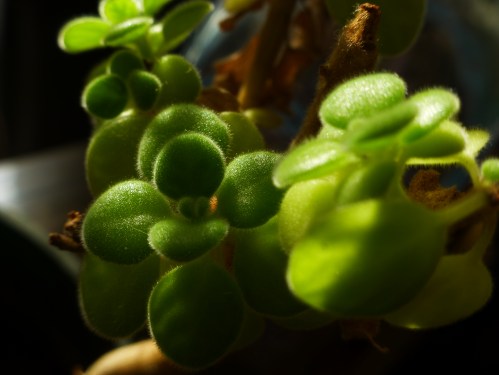
Meanwhile, the scallions are a beautiful, unruly mess and the lemon thyme is creating great shadows on the bookcase.

The fennel I nearly watered to death but I think I caught myself just in time. We’ll see. 😉
Posted in Inspiration, Kitchen Inspirations, Nature Notes, tagged colors, food, gardening, indoor gardening, Inspiration, onions, Photography, potatoes, red onion, spring, sprouts on April 6, 2014| 5 Comments »

An unexpected find in the pantry drawer this morning. Tucked in the back, a small red onion and a few small potatoes had sprouted. My father used to treasure such finds at this time of year.

He’d claim them from my mother and save to plant in the vegetable garden. I consulted with my brothers who paid much better attention that I to the details of planting vegetables that have gone to seed.

I’m going to tuck these sprouts into some dirt in some big pots I have in the house. I don’t expect I’ll get much of a crop but it will be fun to see what does happen. Stay tuned … 😉
Posted in Inspiration, On the Road, tagged beauty, colors, Inspiration, journeys, paths, Photography, rocks on April 4, 2014| 3 Comments »
Posted in Inspiration, Kitchen Inspirations, tagged butterflies, colors, gifts, Inspiration, kitchen, Photography on April 3, 2014| 1 Comment »
Posted in Branches, Inspiration, Nature Notes, tagged abstract, beauty, colors, Inspiration, light, nature, Photography, sunset, textures, urban landscape on April 3, 2014| Leave a Comment »
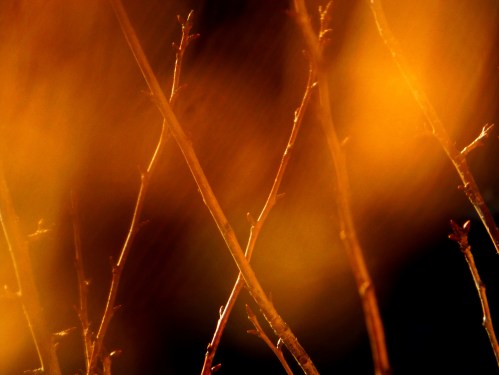
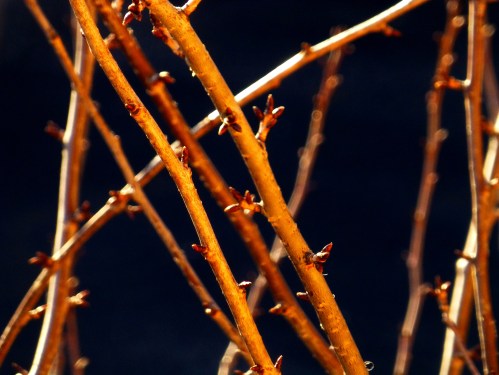
Yesterday, as the sun was setting, I decided to focus on the earth instead of the sky.
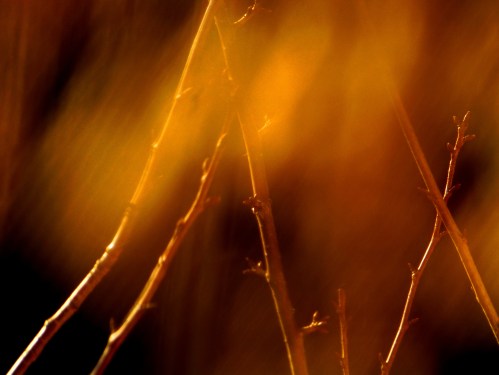
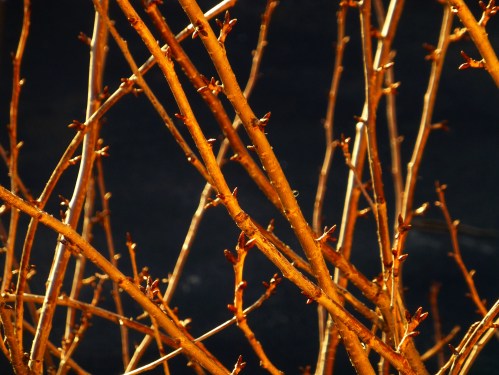
Between the angle of the light and the new color upon the budding bush outside my window, the branches did seem to have fiery glow.
That glow became a little less fiery after I stopped photographing the curtain as well.
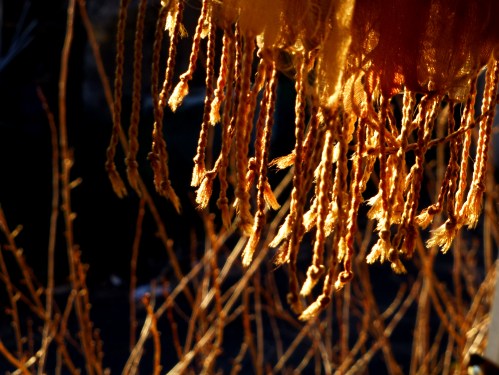
But whether bark or cloth, it was all a beautiful sight in the fading sunlight.
Posted in Inspiration, Kitchen Inspirations, tagged fennel, food, food photography, herbs, indoor gardening, Inspiration, nature, Photography, spring on April 2, 2014| 7 Comments »

My favorite flower shop, Ricky’s, has reopened, providing further evidence that Spring is truly here. He does not yet have his full array of herbs on display but he had enough to make me happy as I walked into the shop. I departed with some standard items, e.g. two different types of thyme, but I also walked out with something new that I’ve never tried to grow before. Fennel.
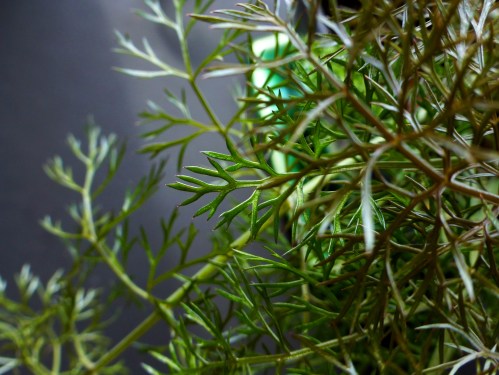
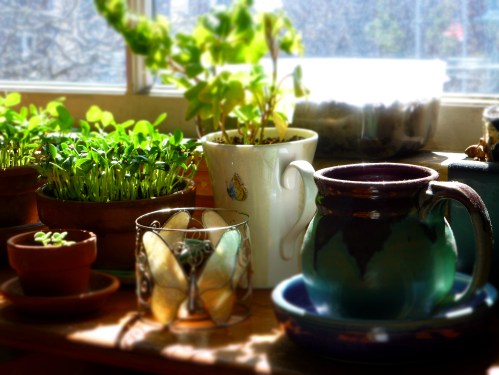
The resident chef seemed happy with sight of the little pot on the table. We’ll see what he does with the feathery fronds in future dishes. Meanwhile, the other indoor greenery continues to do well, bathed by the light of the new season.


Posted in Inspiration, tagged angels, art, beauty, bible stories, Copley Square, David, Edward Burne-Jones, Inspiration, licensing, muses, Photography, Pre-Raphaelite, retail, Solomon, stained glass windows, Trinity Church, William Morris on April 2, 2014| 1 Comment »

Detail from David’s Charge to Solomon Stained Glass Window, Trinity Church in Copley Square, by Burne-Jones and William Morris
Returning to the Trinity Church Book Shop are items with a detail I photographed from David’s Charge to Solomon, a stained glass window located in the church’s baptistry. The magnificent window was designed by Pre-Raphaelite artist Edward Burne-Jones and executed by William Morris Studios in 1882. These “four angels” are located in the upper left corner of the window. There they look down upon David, near the end of his days, as he instructs his son Solomon in how to move forward in life as a man and as a leader of his people.

Items currently available are magnets, mugs and postcards. Coming soon are totes and t-shirts. Visit the Shop to view these and many more lovely and thought provoking spiritual items at 206 Clarendon Street, Boston, in the heart of Copley Square. Shipping is possible. For more Book Shop information, click here. And to see additional details from the window David’s Charge to Solomon, please check out images 25-32 here. Better yet, if you’re in the area, take one of the excellent guided tours so that you can see the window firsthand. 😉