
there was an amazing sky.

Posted in Inspiration, Nature Notes, tagged beauty, blue, clouds, colors, Inspiration, light, nature, Photography, sky, white on July 29, 2014| 1 Comment »
Posted in Inspiration, Nature Notes, tagged Inspiration, landscape, nature, nature photography, Photography, storytelling, wooded area on July 29, 2014| 1 Comment »
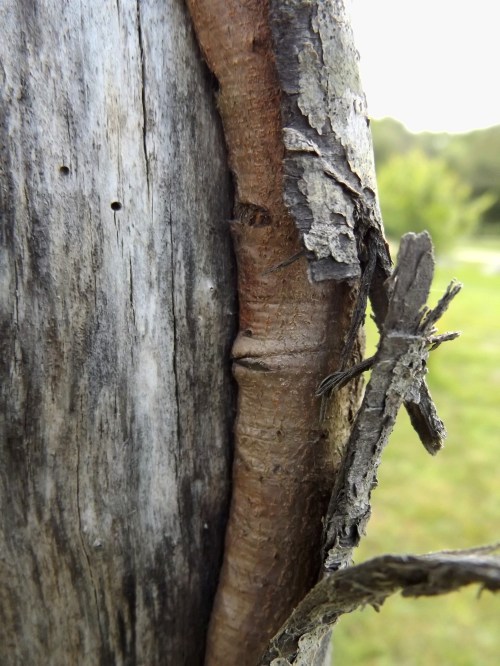
there was a small wooded area
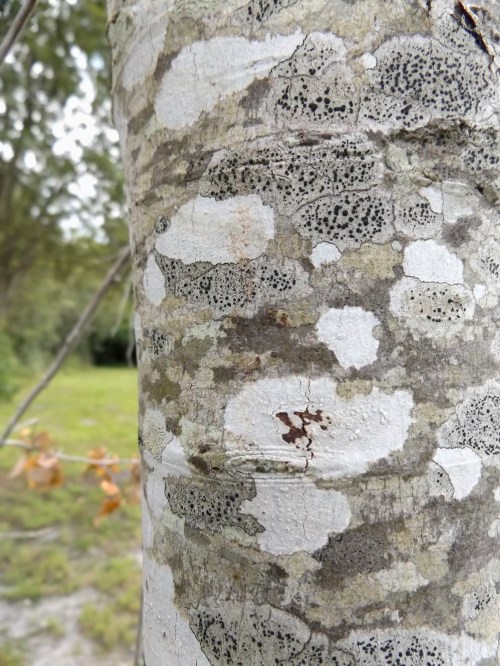
through which there flowed a stream
frogs hopped about but those I could not photograph (I wasn’t fast enough)
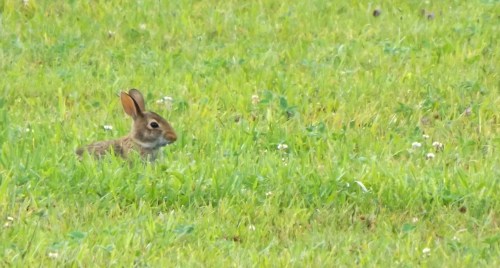
but across the road in a field I found a bunny rabbit who mostly sat still except when he was nibbling
Posted in Inspiration, Kitchen Inspirations, Nature Notes, tagged beauty, colors, food, food photography, gardening, Inspiration, nature, Photography, seasons, summer on July 28, 2014| 6 Comments »

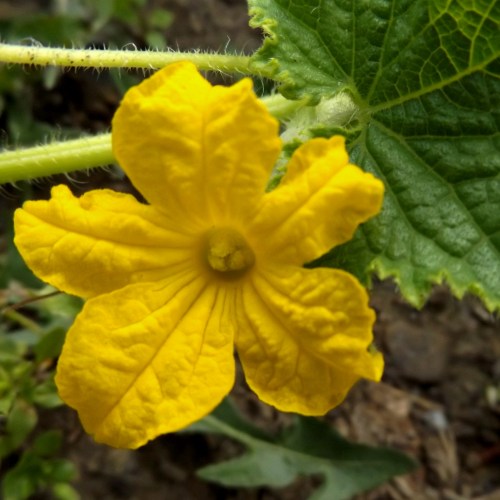
eggplants blossoming in dark purple and pumpkins blooming in bright gold
while nearby vines bear fruits
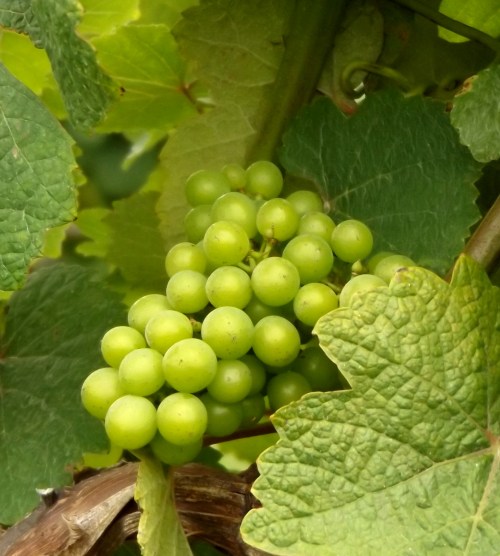
in many shades of green

Posted in Inspiration, Nature Notes, tagged food, food photography, gardening, Inspiration, nature, Photography, summer, sweet, tomatoes on July 27, 2014| 8 Comments »
Posted in Inspiration, Nature Notes, tagged beach, colors, nature, Photography, Revere Beach, seascape, stone, stones, textures on July 24, 2014| 1 Comment »
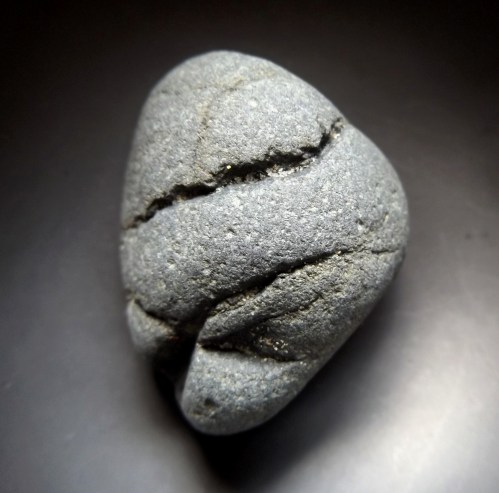
Just another stone that stood out during a brief walk along the shore, found not too far from this one.
Posted in Inspiration, Postcards, tagged architecture, art, churches, colors, design, faith, Inspiration, John La Farge, La Farge, murals, painting, Photography, Postcards, Roy Cortissoz, stationery, Trinity Church on July 24, 2014| 2 Comments »
In The Art and Thought of John La Farge, author Katie Kresser writes that John La Farge (1835-1910) completed his first sketch of Nicodemus and Christ in 1874. That biblical encounter is a subject that La Farge would depict in several different forms over time. Here is a sketch dated 1877 in the Yale University Art Gallery, and here is an oil painting completed in 1880, now housed at the Smithsonian. He would also create a stained glass window for the Church of the Ascension in New York. The following image, The Visit of Nicodemus to Christ, is a photograph of the mural La Farge painted on the walls of Trinity Church in Boston.
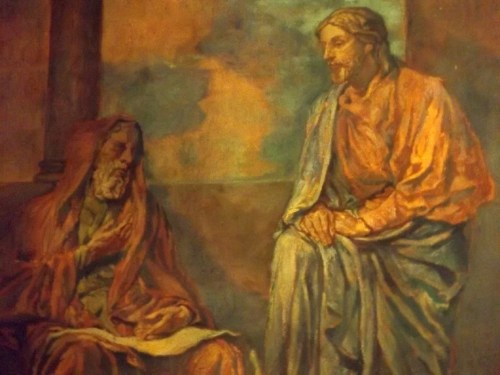
The Visit of Nicodemus to Christ, mural by John La Farge, 1878
It is one of several murals that La Farge painted inside the building with the aid of assistants like Augustus Saint-Gaudens, Francis D. Millet and Francis Lathrop. I keep photographing them because I think that there is always something new to see and experience.

In the literature of the time period critiquing his work, there is often reference to La Farge’s use of color in the murals that borders on the poetic. For example, “In his “Christ and Nicodemus,” … we find the color quality strongly dominant. … the rich blues vein the draperies and background like the threads in a Flemish tapestry …” (The Churchman newspaper, July 6, 1901).
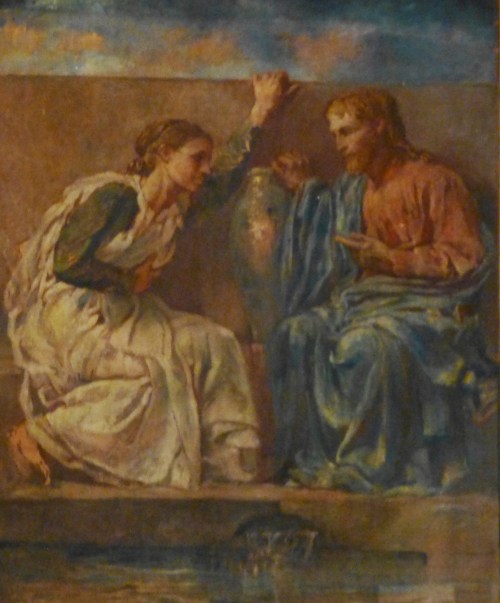
Christ Woman at Well, mural by John La Farge, 1877
The beauty of La Farge’s murals is constant but their colors do shift in the light. Different details become present depending upon where one stands and at what time of day.

David, mural by John La Farge, 1877
My favorite is perhaps the painting of David, because of the colors and especially for the expression on the young man’s face.

I had originally titled this post “in his own words” because I came across John La Farge: A Memoir and a Study compiled by Roy Cortissoz, literary and art critic for the New York Tribune, and La Farge’s friend. In the book, completed in 1911 shortly after La Farge’s death in 1910, La Farge reminisces about what it was like painting the murals at Trinity under tight time constraints, in poor health, up high on scaffolding. Reading the words made me appreciate the skills of all the artists even more. If you’d like to read La Farge’ account, begin at the end of page 31 of the book, available online here.
Learn how you can see these murals and other architectural and design features at Trinity Church first hand here. Postcards of some of these images available via The Shop.
Posted in Inspiration, tagged Adolphe Appia, art, edward gordon craig, history, illustration, imagination, Inspiration, light, Photography, shadow, storytelling, theater on July 23, 2014| 2 Comments »
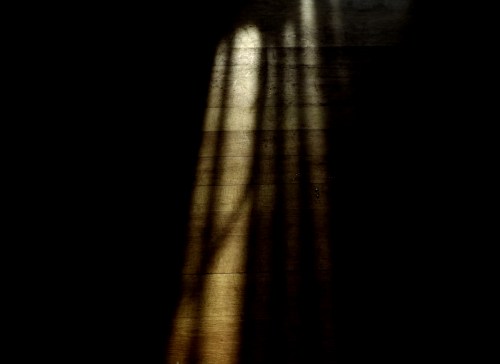
last rays of sunlight falling on the kitchen table
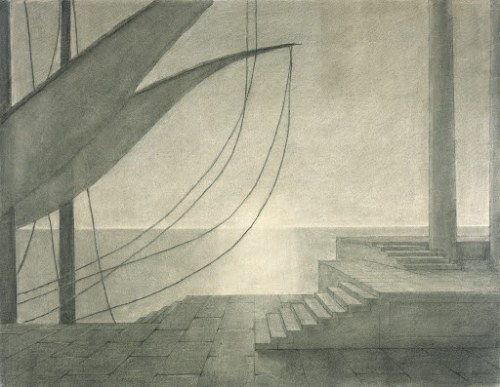
Well, in my walk through history with Mr. Horne, I’ve been introduced to a number of people who have stirred my imagination. One of those people is Adolphe Appia. Like Edward Gordon Craig (for whom I did post an interlude extra), Adolphe Appia (1862-1928) transformed set design in the theater world by developing and exploring, among other ideas, new theories of using light and shadows as a way to unify productions.
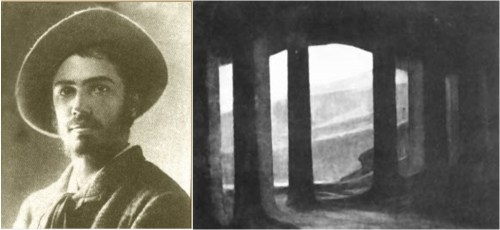
Adolphe Appia and his set design for Parsifal
Appia’s (and Craig’s) dark illustrations struck a chord. As if I didn’t love shadows before, but now, more so than ever, when I see shadows lengthening upon a table or wall, I wonder: what scene is being set for what story? Thus, the reason why I photographed sunlight on a kitchen table. 😉
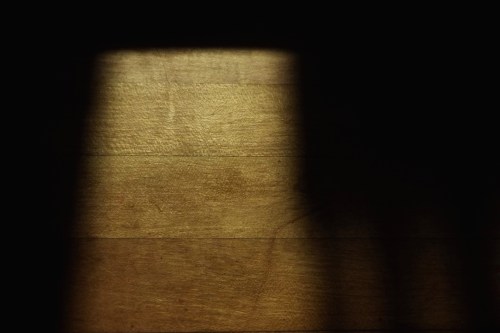
more light falls on the kitchen table
Perhaps, one day I will sit with these images and write a story. Meanwhile, if you’d like to learn more about Appia, in December 2013 an architectural group produced this great visual overview of Appia’s work. Here is his Wikipedia page listing works and references. And highly recommend this brief read by Pericles Lewis of Yale. Below are more of Appia’s drawings from the late 1800s and early 1900s.


Posted in Inspiration, tagged art, Bacchante and Infant Faun, Back Bay, Boston Public Library, bronze sculpture, Copley Square, Frederick William MacMonnies, Inspiration, joy, Photography, sculpture on July 22, 2014| 7 Comments »

In a world filled with such sadness and confusion, I think that is why it is such a pleasure to sit in the Boston Public Library courtyard and stare into these faces filled with such joy and awe. The actual name of the sculpture is Bacchante and Infant Faun. It is a replica of the bronze sculpture created by Frederick William MacMonnies.

You can read an interesting and very detailed analysis of the statue’s history in Boston and at the BPL via this link. In short, while treasured today, this naked figure serving the infant god, Bacchus, caused quite the uproar in 1890’s Boston. Imagine that. 😉
Posted in Inspiration, tagged Abbey Room, art, beauty, Boston Public Library, colors, Edwin Austin Abbey, holy grail, Inspiration, murals, painting, Photography, storytelling on July 21, 2014| Leave a Comment »

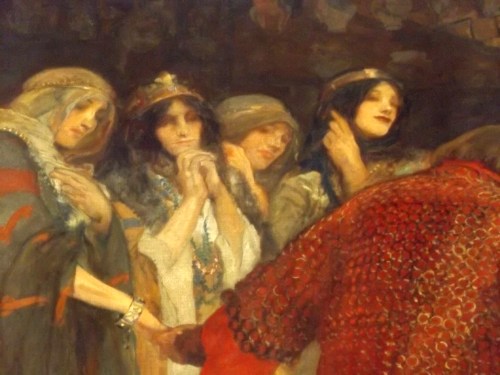
The Abbey Room at the Boston Public Library, with its richly colored wall paintings, is one of my favorite indoor sites in Boston. The murals depict the Quest and Achievement of the Holy Grail and, according to the Boston Public Library website, were installed in 1895 by Edwin Austin Abbey. Today I had the opportunity to drop in for a moment to snap a few photos. Here are a few favorites from the day. You can read more about the Grail story here and you can read more about Edwin Austin Abbey here.


Posted in Inspiration, Nature Notes, On the Road, tagged colors, geography, Inspiration, nature, Photography, Revere Beach, stones on July 21, 2014| 5 Comments »


