Feeds:
Posts
Comments

Posts Tagged ‘architecture’

one of two stained glass windows by daniel maher stained glass

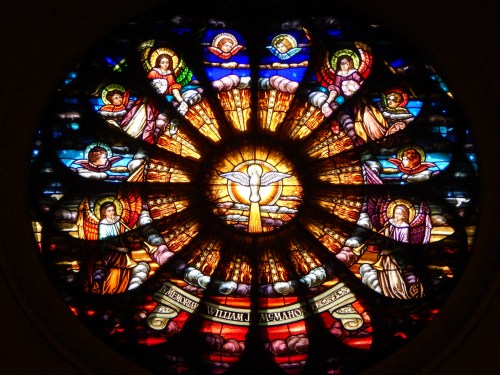
one of the two windows depicting, “pentacost,” by daniel maher stained glass

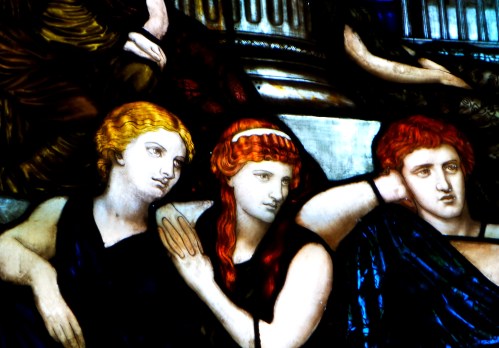
These windows at St. James’s Episcopal Church by local artisans Daniel Maher and Lyn Lovey express a creativity and diversity that is very modern. It is almost startling to look up and see them in the clerestory after viewing older works by Tiffany, Clayton & Bell, Goodhue and others in other parts of the  building. In part that’s because of my own ignorance around stained glass making today and how churches continue to commission their design and installation. Working with glass remains a popular and contemporary art. And in places like St. James, the past and present harmonize quite nicely.

one of a pair of windows designed by lyn hovey stained glass

I’ve lived in Boston for almost twenty years and I can’t even imagine how many times I’ve walked along Massachusetts Ave past this church. When I’ve been tired I’ve stepped into its adjacent garden and sat on the church steps. I’ve always wondered, what was behind the red stone? I’m grateful to the rector, sexton and other staff for allowing me to appease my curiosity and glimpse the beauty inside. Until you can make your visit, below are a few images for you to enjoy. And there’s also a link to a very interesting overview of the windows available online.

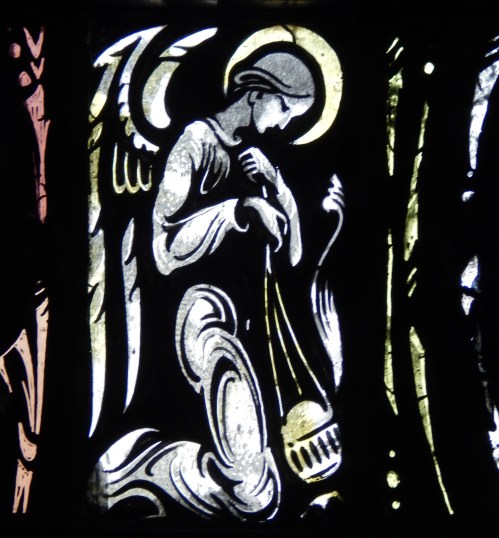
Detail from chancel windows …

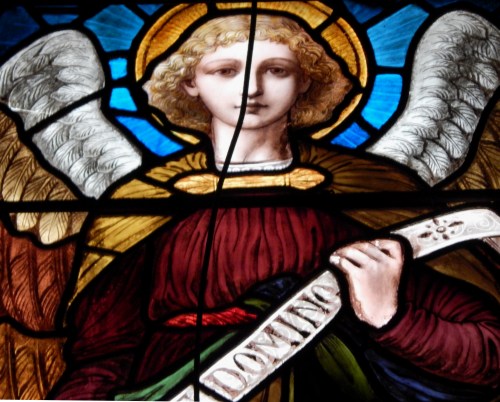
Detail from one of the choir angel windows …

Detail from the Resurrection window…

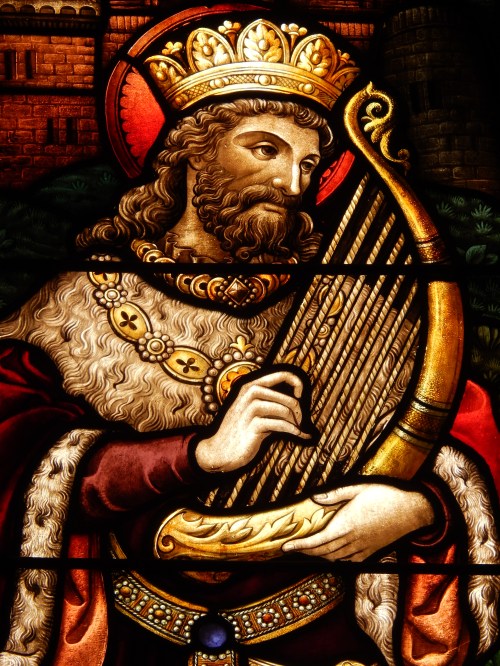
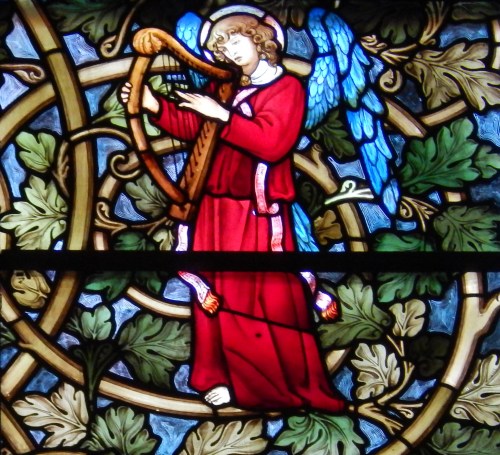
Detail from David with Harp …

Detail from Dorcas window …

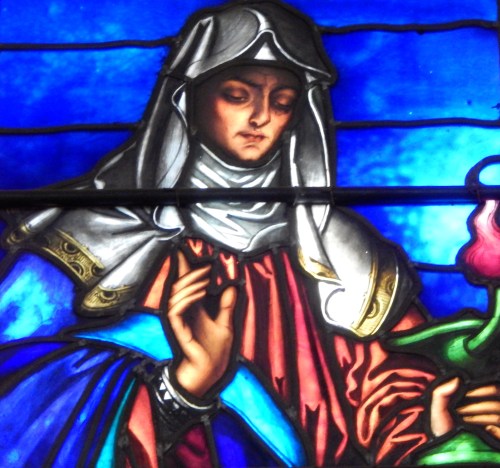
Detail from Saint Dorothea window …

Detail from the Greenleaf window …

Detail from the Nativity window …


Additional Reading and Links

St. James’s Episcopal Church

Overview of St. James Stained Glass Windows

Daniel Maher Stained Glass

Lyn Hovey Stained Glass


Read Full Post »

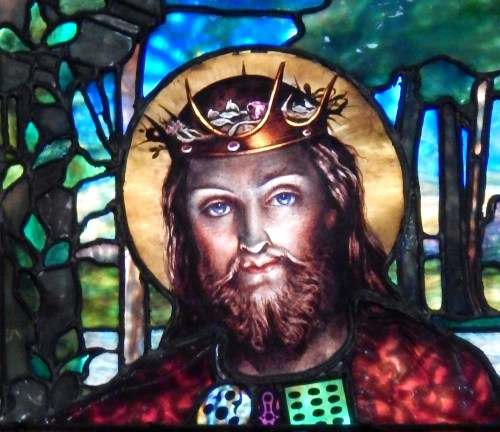
detail from rice memorial window “christ the light of the world”

As you travel along Massachusetts Avenue in Cambridge, just outside of Porter Square, you will find St. James’s Episcopal Church, a beautiful stone structure designed by Henry Martyn Congdon in a Richardsonian Romanesque style. While the church was founded in 1864, the cornerstone of the particular building in which I peered today was laid in 1888.  Inside is quite a variety of stained and painted glass (and a bell re-cast by Paul Revere!).

While I visited at the wrong time of day and time of year for the best effect, the opalescent windows along the west wall still caught my attention. I visited in early morning in spring but for the windows to be seen as their designers — John La Farge and possibly Tiffany — intended, I will need to visit again in winter in the late afternoon just before sunset.

detail from "jesus the good shepherd"by john la farge

detail from “jesus the good shepherd” by john la farge

I’ve already marked my calendar. 🙂

detail from the batchelder-dexter window, “the mission of the seventy”

I’m still sorting through pictures and their stories. More to come from my delightful visit. Meanwhile you can learn more about the church, its people and the history of the building here: http://www.stjames-cambridge.org/

Read Full Post »

The church was decorated with Easter lilies and pink roses and the entrance to each pew marked by a cluster of lilies. Palms were placed in pew openings and stood at various points to create a natural chapel. Upon the altar more lilies and roses. The war had limited the number of guests in attendance but even so Emmanuel Church on April 21, 1915 was filled with those wishing well the bride and groom, Leslie Hawthorne Lindsey of Boston and Stewart Southam Mason of England.

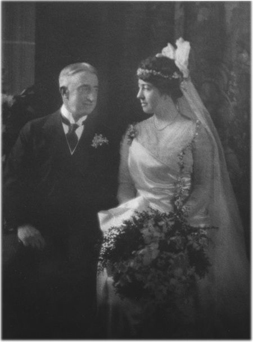
william lindsey, father of the bride, and daughter leslie lindsey

The bride wore white satin made with rose point lace and garnitures of small clusters of orange blossoms. The flowers held in place a veil of Limerick lace made especially for Miss Lindsey in Ireland the previous year. She carried a bouquet of white orchids and jasmine. Her wedding party wore shades of blue and pink silk, their gowns adorned by rosebuds. The bride maids carried baskets of pink sweet peas.

After the ceremony, there was a reception in the Bay State Road home of the bride’s father, William Lindsey. The bride’s mother now wore blue silk in a shade known as moonlight embroidered with baskets of silver. Flowers prevailed, decorating each room, smilax in the hallway, greenery entwining railings and baskets of roses on the stairs. Bells rung in celebration on both sides of the Atlantic as everyone knew that soon the bride and groom would return to his home in England and all they need do was board the Lusitania.

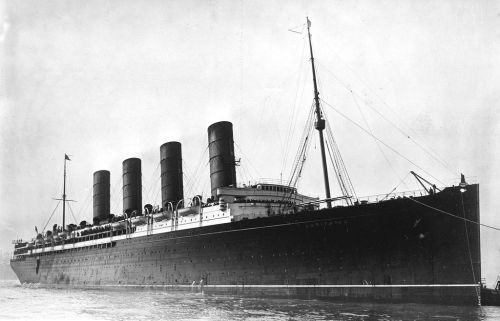
rms lusitania

rms lusitania

The RMS Lusitania would depart New York for Liverpool on May 1, 1915. On May 7, it would be torpedoes and sunk by a German U-boat. At least 1, 198 passengers and crew would die, including newlyweds Leslie Lindsey and Stewart Mason.  When the body of Leslie was returned to her father she wore the jewels that her father had given her.

A heartbroken father would do several things over the years in memory of his lovely daughter, one of which was to buy a piece of property adjacent to that of Emmanuel Church in 1919.  A chapel would be built. Begun in 1920, the structure would be finished in 1924.

The chapel was designed by the architectural firm Allen & Collins. John Ninian Comper (1864-1960) designed the chapel’s decorative scheme from the altar to the chapel’s signature stained glass windows. Sadly, William Lindsey did not see the finished chapel. His youngest daughter shared memories of seeing her father sitting across the street watching the building’s construction and knowing he would not live to see it completed.

Sources and Further Reading

History of Lindsey Chapel on Emmanuel Church website

Boston Evening Transcript, April 21, 1915

John Ninian Comper

Emmanuel Church building information

Read Full Post »

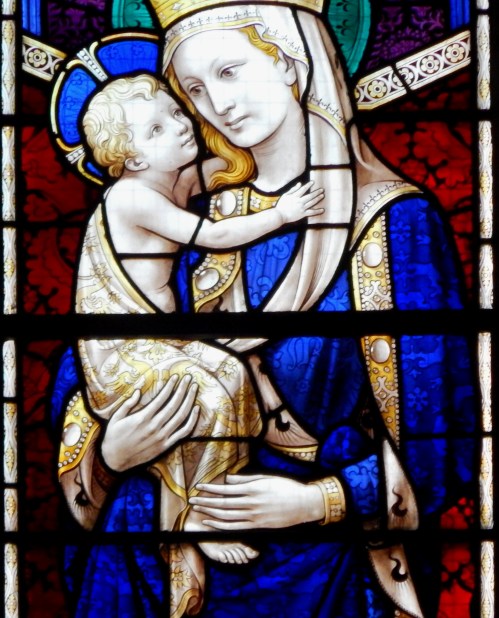
virgin & child by charles connick, 1916

Emmanuel Church in the City of Boston is an Episcopal parish located on Newbury Street. Consecrated in 1861 it is a masterpiece among the many architectural treasures to be found in Boston’s Back Bay.  Its history as a place of worship and advocate for social justice for over 150 years are well documented on the church’s website. On the day that I and a friend visited to view the interior, an arts program for the homeless was concluding. Based on brief interactions with some of the participants it is clearly an empowering project, and just one of many offered in service to those in need.  I hope to learn more in the future but on that day my focus was the stained glass windows. From the literature shared by one of the clergy, the stained glass artists whose work can be found in the church include John Ninian Comper, Charles Connick, Frederic Crowninshield, Harry Eldredge Goodhue, Heaton Butler & Bayne, Charles Eamer Kempe, Tiffany, Samuel West and Henry Wynd Young.

incredulity of st. thomas by tiffany glass & decorating, 1890

incredulity of st. thomas by tiffany glass & decorating, 1890

With expansion and construction into the 1920s, there are many different styles represented in the windows of Emmanuel Church.

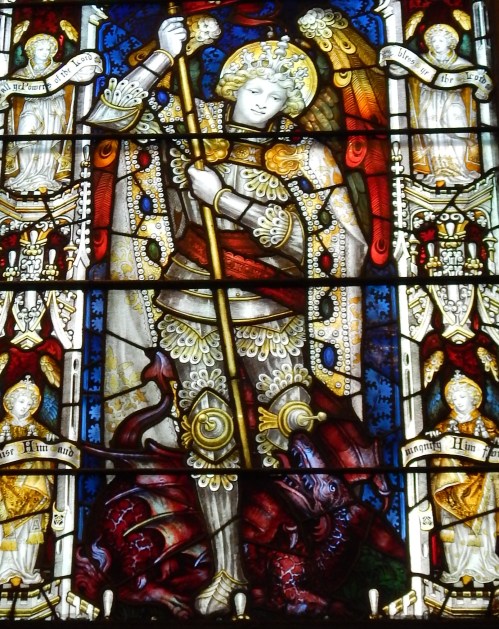
st. michael killing the dragon by charles eamer kempe, 1901

st. michael killing the dragon by charles eamer kempe, 1901

by harry eldredge goodhue, 1905

adoration of the magi by henry wynd young, after 1918

adoration of the magi by henry wynd young, after 1918

Windows have been lost over time.

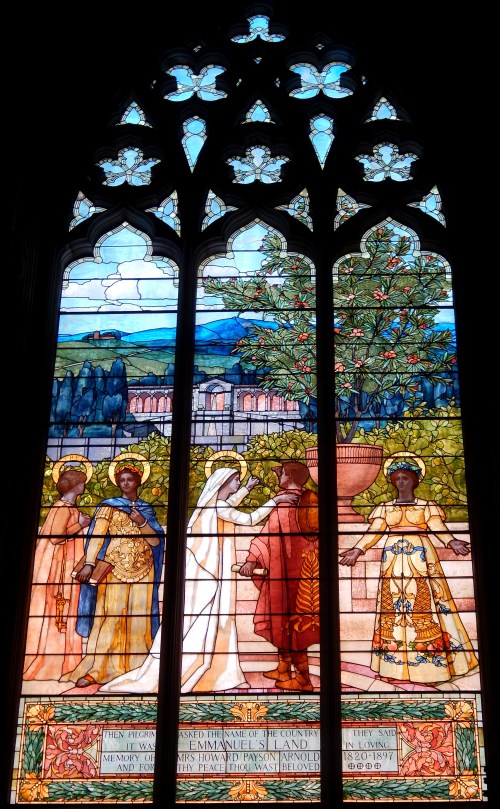
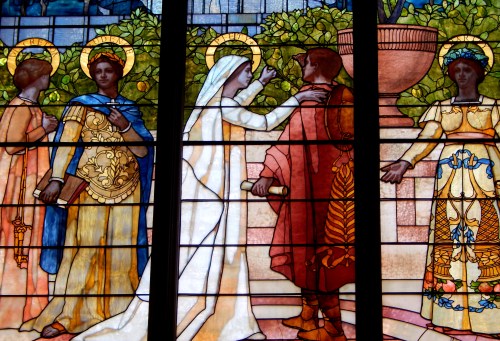
Others have been beautifully restored including the church’s signature window, Emmanuel’s Land, comprised of 15 panels of leaded glass with 17 smaller sections of tracery above, and done in the opalescent style made famous by John La Farge, Louis C. Tiffany and Frederic Crowninshield.  Emmanuel’s Land is one of Crowninshield’s largest works.

emmanuel's land by frederic crowninshield

emmanuel’s land by frederic crowninshield, 1899

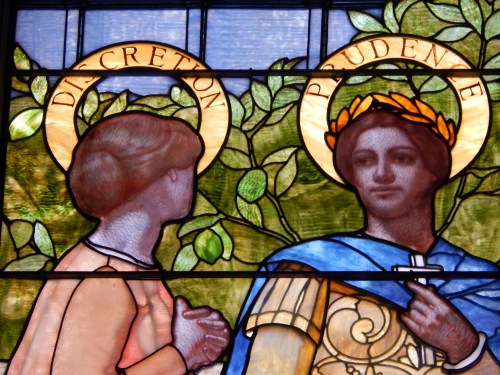
The window is especially notable because it does not depict a religious scene but instead a scene from John Bunyan’s book, The Pilgrims Progress.

Piety, Discretion, Prudence and Charity show Pilgrim Emmanuel’s Land. The window was designed in memory of Mrs. Howard Payson Arnold, Crowninshield’s mother.

The windows are housed in a structure that has evolved quite a bit over its history from its original construction in 1861.  As the parish grew, adjacent plots of land were purchased and new adjoining structures were built including a parish house, west transept, and two chapels. The Lindsey Chapel was the last to be built between 1920-1924. A poignant tale is at the heart of its construction but I shall save that story and those images for another post.

In this post I’ve shared just a brief glimpse of the windows inside this lovely church. I hope you have the chance to see firsthand. Learn more about the church via the following link:

Emmanuel Church in the City of Boston

Read Full Post »

details from life of st. paul's life, by henry holiday of london, 1878

details from st. paul’s life, by henry holiday of london, 1878

During my time visiting Trinity Church in the City of Boston, I have focused my camera on the details of the stained glass windows and the stories behind their creation. Within the church itself there are over 30 windows visible to the public and, less accessible to the public, there are additional windows in the parish house that I refer to as “hidden gems.”

detail from ephphatha by burlison and grylls

detail from ephphatha by burlison and grylls

Significant changes have occurred to the church over time, which you can learn about on the excellent guided tours. It’s the changes that took place in the parish house during the 1940s and 1950s that recently intrigued me. As the parish house was being reconfigured, three stained glass windows were removed.  My curiosity was sparked. What was the story of those “lost” windows? Here’s what I found on my search, not much that wasn’t already known but for me it was a wonderful journey.

An 1888 history of the church describes in detail The Harmon Window.  Designed by Frederick Crowninshield, the window was created in memory of Cordelia Harmon.  Harmon was “Almoner of Trinity Church for many years, and through her good deeds was well known by all the poor connected in any way with the Parish.”  The window depicted Charity composed of “a woman and two half-clothed children in the centre, and a figure with bowed head at the left. Behind is the figure of Christ, with his hand extended over them. Above is the text — Inasmuch As Ye Have Done It Unto One Of The Least Of These, My Brethren, Ye Have Done It Unto Me.” You can read more about Miss Harmon in this previous post Enduring Legacies.

1920s photo of Charity, courtesy of Trinity Archives

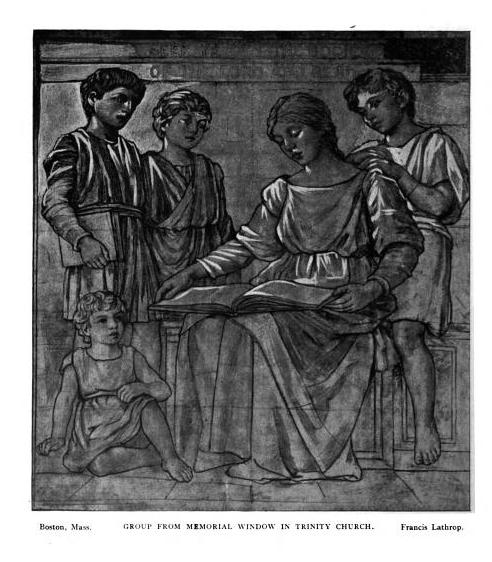
In a 1910 history of the church there is a description of The Tuckerman Window.  Designed by artist Francis Lathrop, most well known for his work with John La Farge on the murals of Trinity Church, the window depicted a woman surrounded by her four sons and instructing them from the bible.  According to the history, the woman and the boy at her right are the ones commemorated by the window.  They were Florence Tuckerman and her son Brooks Fenno Tuckerman. The design includes the words, Seek Ye Out The Book Of The Lord And Read. The window was given by Mr. and Mrs. John Brooks Fenno who also gave the window, The Storm on the Lake, located inside the church.

And finally there is The Suter Window. Designed by Charles E. Mills, it was executed by Edwin Ford and Frederick Brooks. It was a gift by Hales W. Suter in memory of his daughter, Gertrude Bingham Suter. “In the lower part of the window is the figure of a young girl, holding a sheaf of wheat.  On the ground before her, there lies a cross, while the path is strewn with roses. Her face is turned upward toward a vision – an angel who points out the New Jerusalem above.  The New Jerusalem is further represented in the smaller window above by the figures of two angels holding between them a crown.”

from Exhibition Catalog for the Boston Architectural Exhibition, 1891

The cartoon above I was able to find in the Catalog for the Boston Architectural Exhibition, 1891.  Such catalogs and similar art and architectural publications from the late 19th and early 20th centuries are increasingly being digitized and made available online. I love online research but it has been a pleasure interacting with archivists and stained glass experts too to learn as much as I did about these windows, the artists and their studios. While my search for now has come to an end, I hope you enjoy this brief glimpse of something beautiful that once was but is now no more except in stories. 😉

Read Full Post »

During a recent trip to California, I was standing on a street corner looking up at a church.  As usual, I’d come upon it because I’d gotten lost. I wanted to enter to see what kind of stained glass might be inside but I could tell that mass was about to start and I did not want to disturb the service with the shutter of my camera.  I was about to walk away when a voice behind me said, “Well, why don’t you come inside?” She was an older woman with a bright smile.  “It doesn’t matter if you’re not Catholic. Just sit in the back so you can take a peek.” All but taking my hand, she led me inside.  I did not take pictures that day but I did return and this is a little of what I saw.

Little Flowers

Presentation at the Temple

St. Barbara

St. Ignasius

St. Ignasius

St. Cecilia

St. Cecilia

Detail from Crucifixion

Detail from Crucifixion

Our Lord is Laid in the Tomb

Our Lord is Laid in the Tomb

Detail from Resurrection

Detail from Resurrection

Ascension

Ascension

You can learn more about Our Lady of Sorrows church via the following link: http://www.our-lady-of-sorrows-santa-barbara.com/history/

Read Full Post »

This too is a story about gifts.
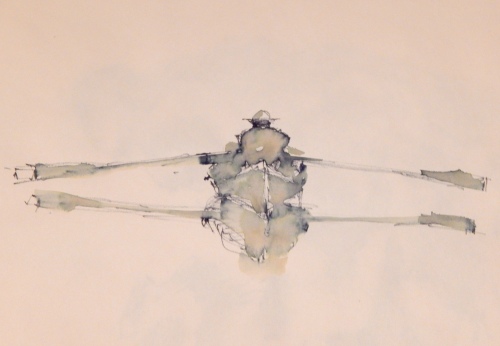
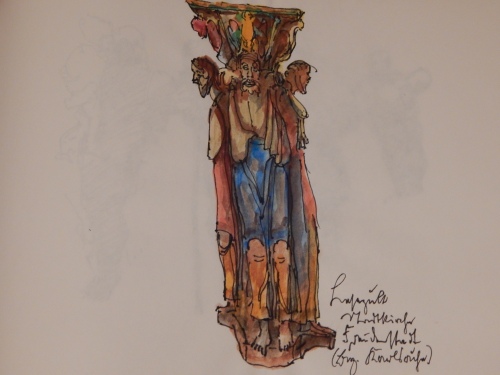
watercolor by ludwig a. joutz

Ludwig Aloysius Joutz (1910 – 1998) was an architect noted for his work with religious and educational institutions primarily in the Washington, DC area.  I learned of this gentleman while researching Joseph Anthony Horne as part of my Interlude Series.

By the time Horne meets Joutz, Joutz had already earned his doctorate. His 1936 thesis is still referenced with regard to medieval church architecture.  In 1939/40 he was awarded a travel grant from the German Archaeological Institute but was perhaps unable to use it because of the outbreak of World War II.   He would be drafted into the German army and become a prisoner of war.

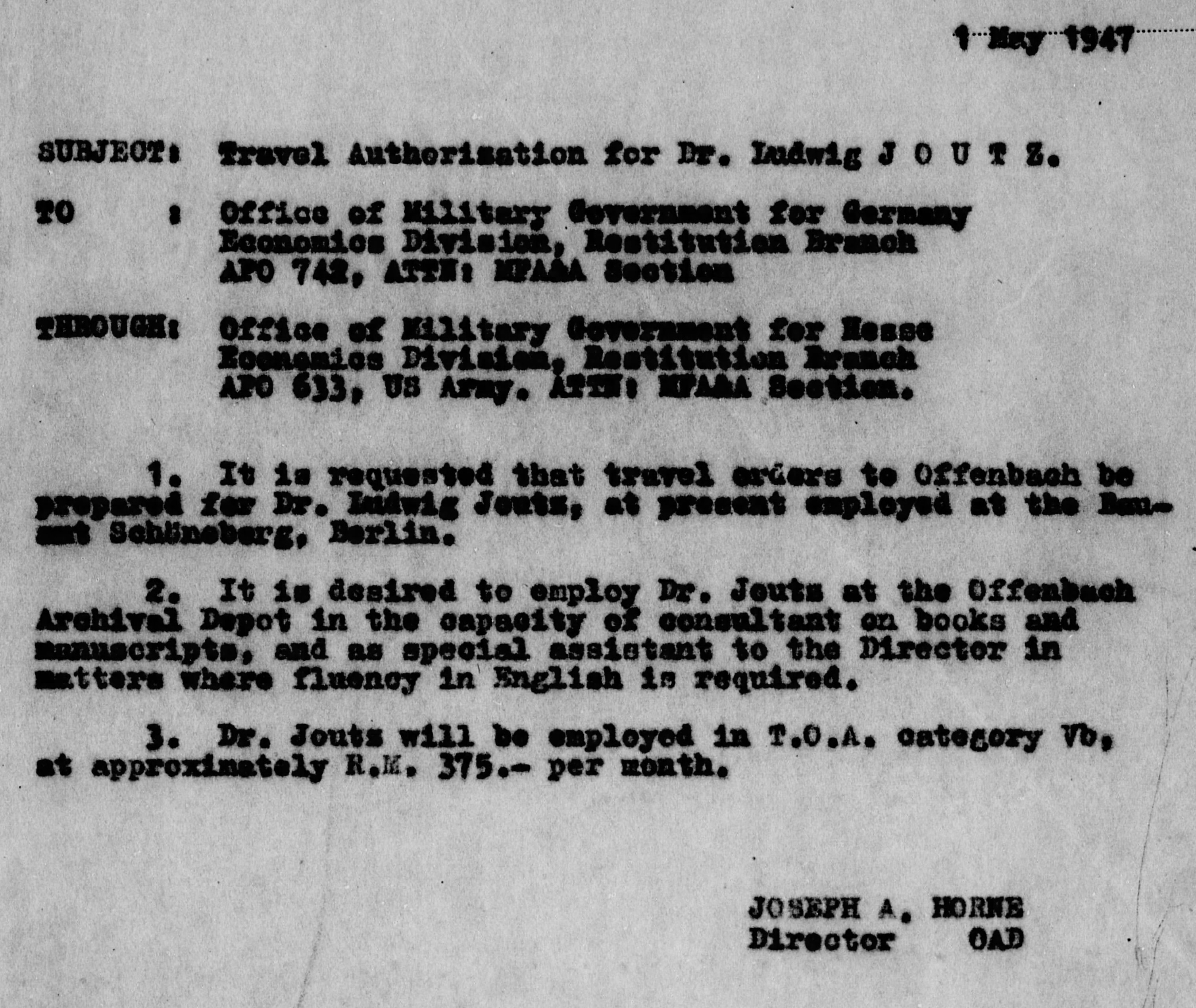
Exactly how he and Horne originally met is unclear.  It might have been as early as the Invasion of Italy where Joutz was captured but certainly by the end of the war they were fast friends.  The earliest document that I’ve been able to find so far is dated May 1947.  In that year, Horne was working with the Monuments, Fine Arts & Archives unit.
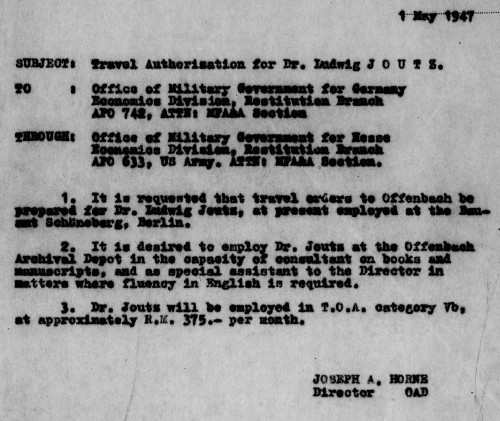
As the Monuments Men continued their efforts to find, catalog and restitute items looted by the Nazis and others during the war, Joutz would become a valuable resource.  German-born, he was fluent in English and several other languages and knowledgeable about the art and literary worlds. Horne, American-born and fluent in German thanks to his immigrant parents, was culturally sensitive and knowledgeable about the arts. They apparently worked well as a team.
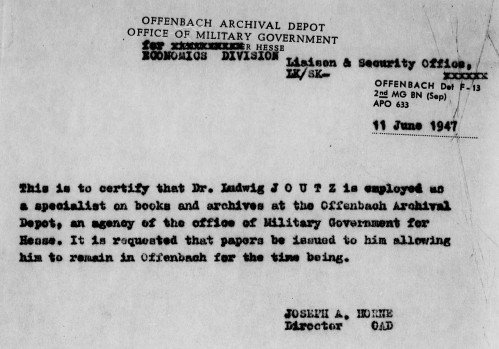
LJConfirmation

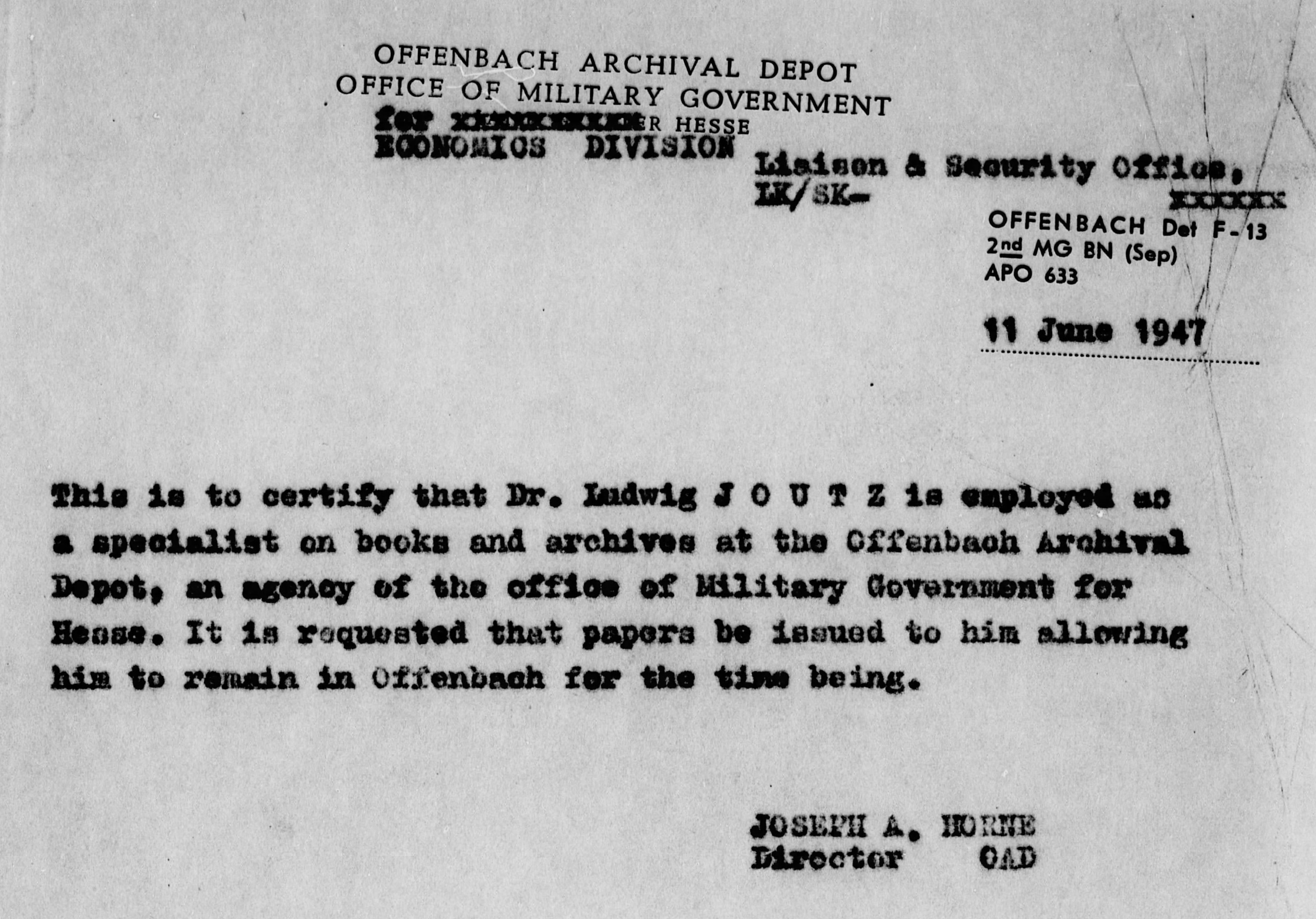
Between June 1, 1947 and March 1948, Joutz would serve as an operations specialist on books and archives at the Offenbach Archival Depot.  During that period, he and Horne, by then director of the Depot, would become great friends. Horne would aid Joutz in resettling in the U.S. where he would establish himself as architect. They would become godparents to each other’s children and remain friends until the end of their days.
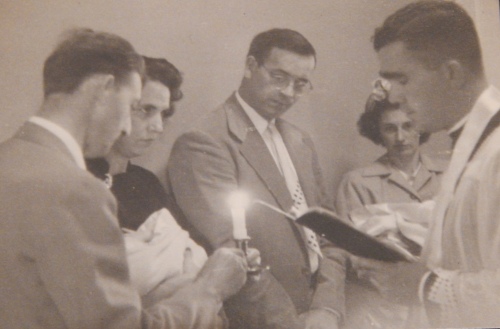
familyceremony

joseph and elsie horne and ludwig and lucy joutz

Throughout out his personal and professional life, Joutz would travel around the world.   As part of those travels, whether for work or for pleasure, he would view his surroundings with an artist’s eye and try to capture what he saw.  Yes, with a camera like his friend Horne, but Joutz would also explore many different forms and techniques of art. He experimented with pen and ink, pastels, watercolor, woodblock prints, papercutting and more.  How do I know this? By a gift he painstakingly assembled for his son.
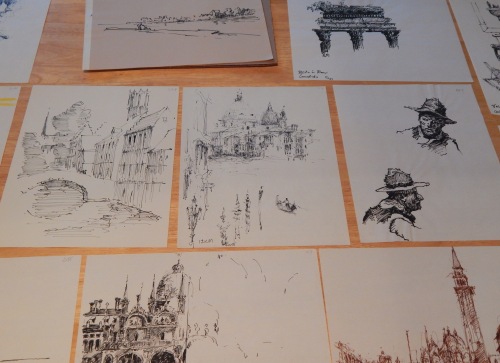
When visiting Joutz’s son, Frederick, a noted economist, I noticed a stack of suitcases tucked in a corner. Now these suitcases were the old-school, at least 1950’s if not earlier, kind of suitcases that are deep enough to curl up and go to sleep in and strong enough to, well, last a lifetime.  Frederick explained that they contained his father’s artwork. Now at first I thought he meant prints related to his father’s architectural practice, photos of completed projects, etc.  But that was not so.
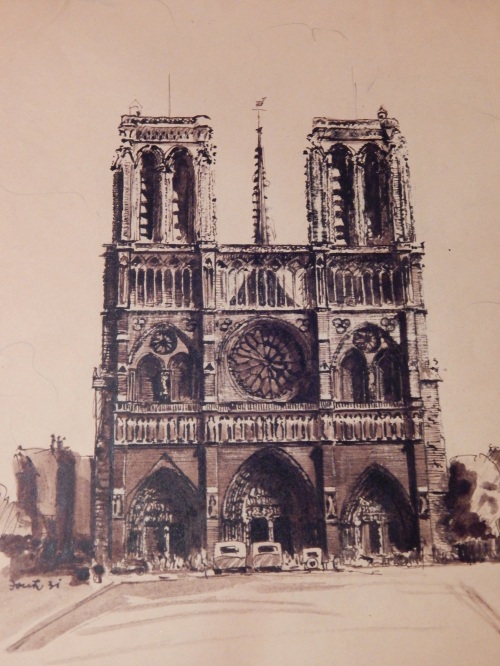
artwork by ludwig joutz
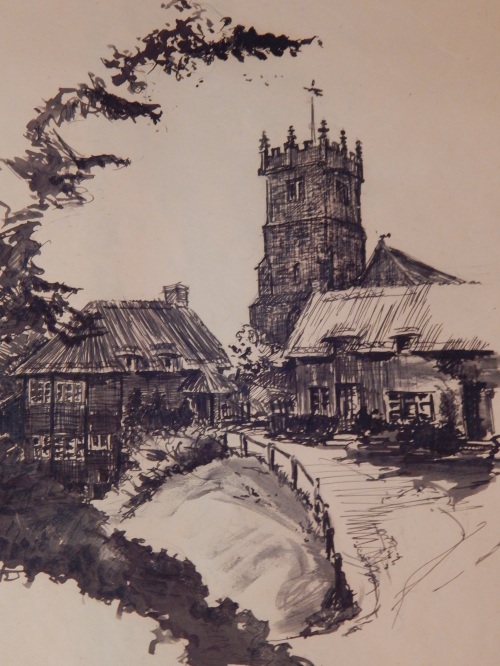
artwork by ludwig joutz

artwork by ludwig joutz

Inside the suitcases was artwork spanning nearly five decades. Joutz had carefully organized his artwork, everything from sketches on the back of used envelopes to sweeping washes of color applied to delicate Japanese papers.  It was all layered in stacks in these deep suitcases.  The son remembered his father engaged in the process and how he culled items along the way. One can only imagine what the father may have considered not worth saving.
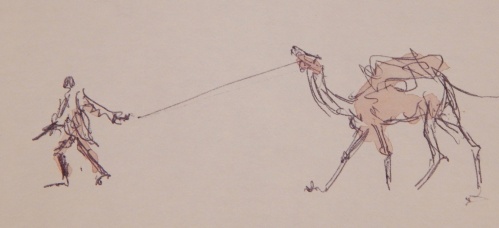
artwork by ludwig joutz

What I managed to see, the content of only two of the many suitcases, was breathtaking in its scope, in the diversity of imagery, and the range of techniques attempted. Each image suggested a story. On some of the pages were notes. What did they mean?
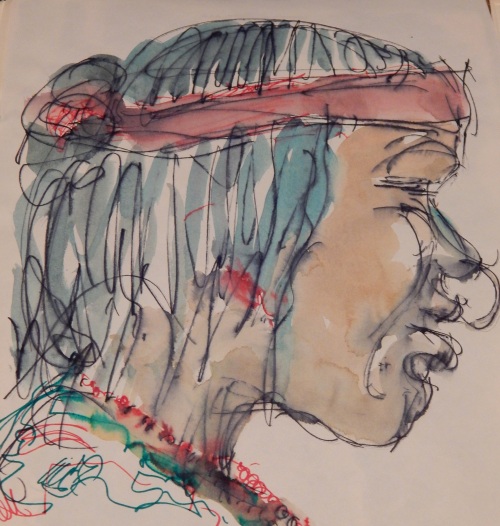
artwork by ludwig joutz

artwork by ludwig joutz

Some of the works were clearly copies of masterpieces, as done by any art student spending a day in an art gallery might do, but many images appeared to be of ordinary people.  Perhaps seen in European town squares or along desert routes when he traveled in Egypt?
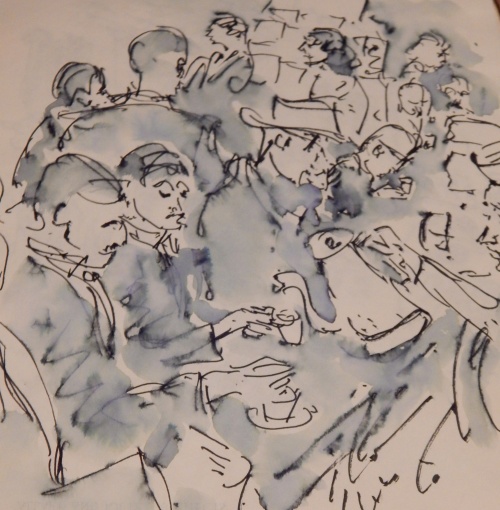
artwork by ludwig joutz
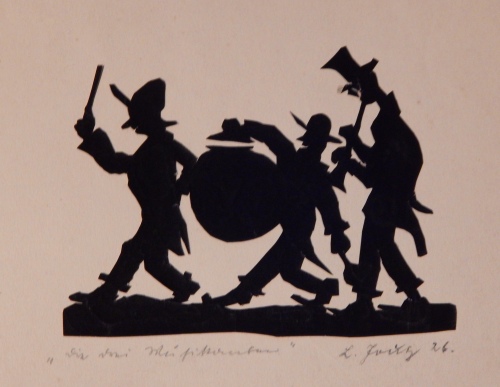
artwork by ludwig joutz
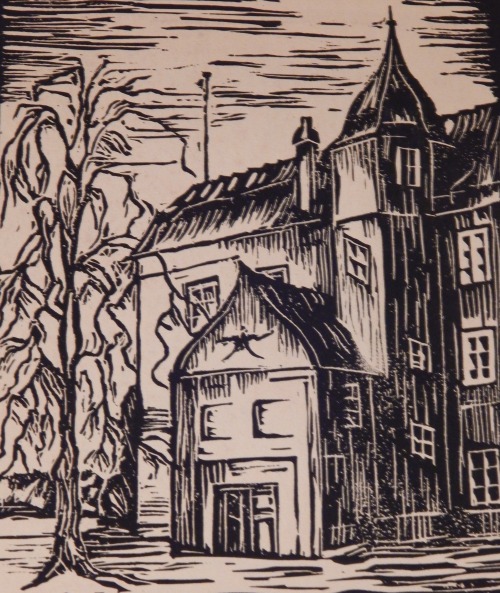
artwork by ludwig joutz?

Then there are the images that are ecclesiastical in nature … were they the early concepts or cartoons for church murals? Did the murals still exist or had they become lost and all that remains are these vestiges?
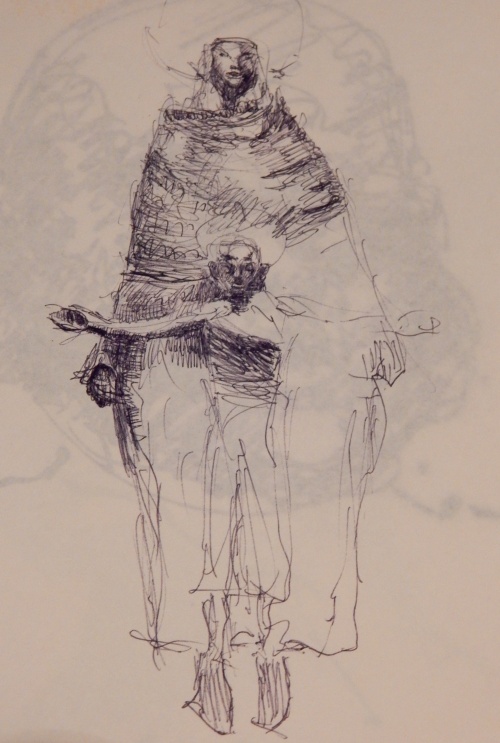
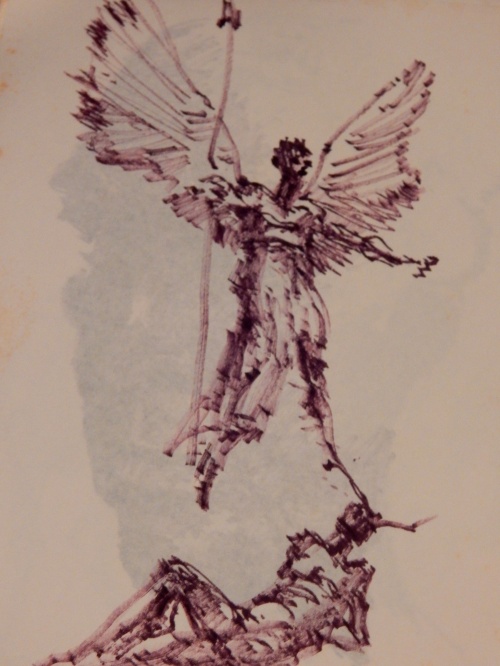
Those are stories that others may choose to research and tell one day. I am grateful that his son allowed me to see just a fraction of what is contained in those suitcases.  And a salute to Mr. Joutz for preserving his own artwork as he helped to preserve the works of others throughout his career.
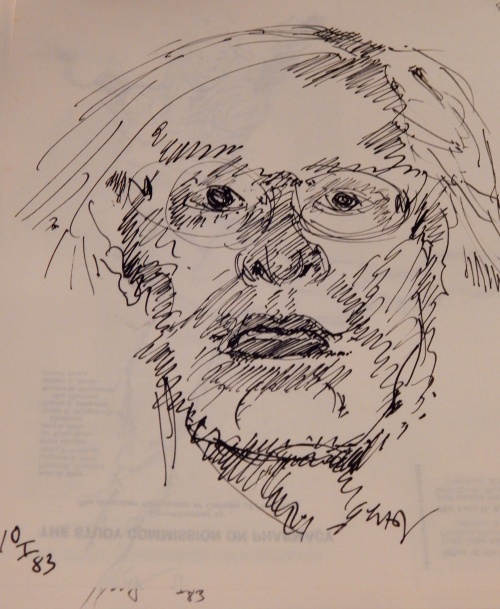
artwork by ludwig joutz


Sources and Additional Readings …

Fold3.com Holocaust Collection


Read Full Post »

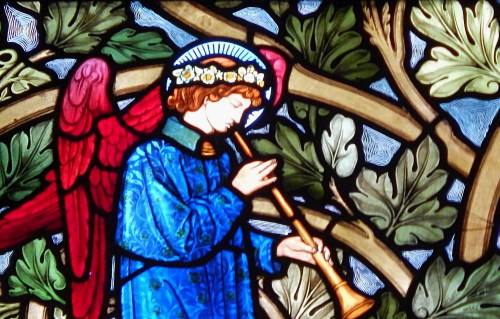
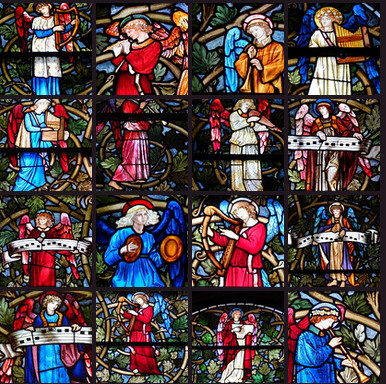
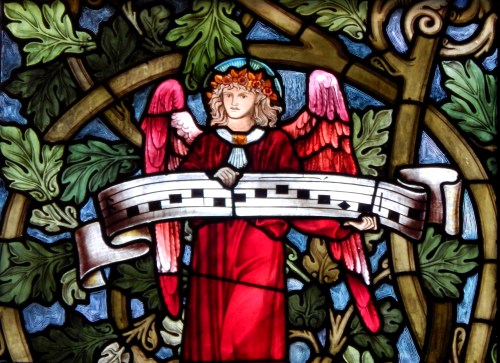
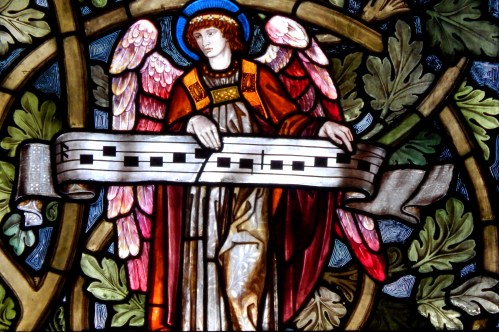
I will not likely make my goal of photographing by Christmas day all eighteen Burne-Jones angels in the stained glass windows known as the Christmas Windows at Trinity Church in the City of Boston.  The logistics are just not going to work out.  But …

… it has been a delightful exercise.  As I review what I did accomplish, new ideas are forming.

I think I shall consider this attempt a “first draft.” We’ll see what unfolds in the new year. 😉

You can read more about this personal project here: https://wordsandimagesbycynthia.com/2015/11/02/as-for-those-angels/

You can view the gallery of angels here: https://photosbycynthia.smugmug.com/ArchitectureDesign/Burne-Jones-Angels/

Read Full Post »
You can read more about this personal project here: https://wordsandimagesbycynthia.com/2015/11/02/as-for-those-angels/

Read Full Post »

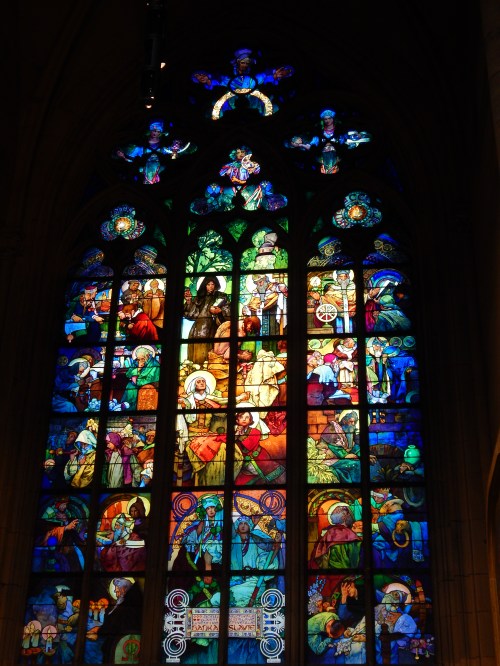
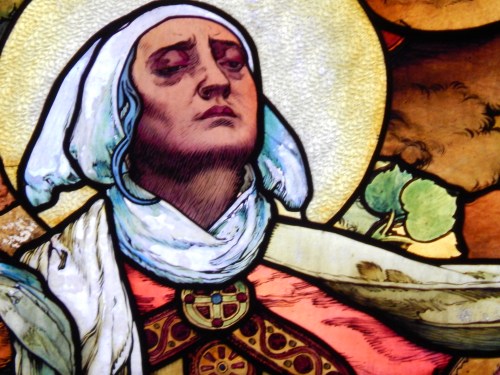
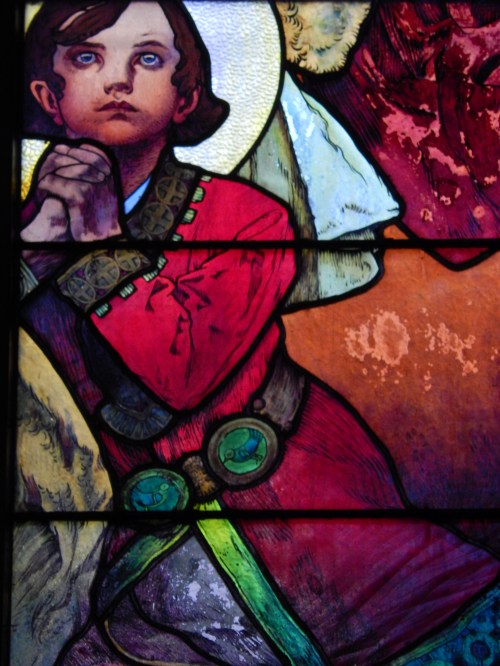
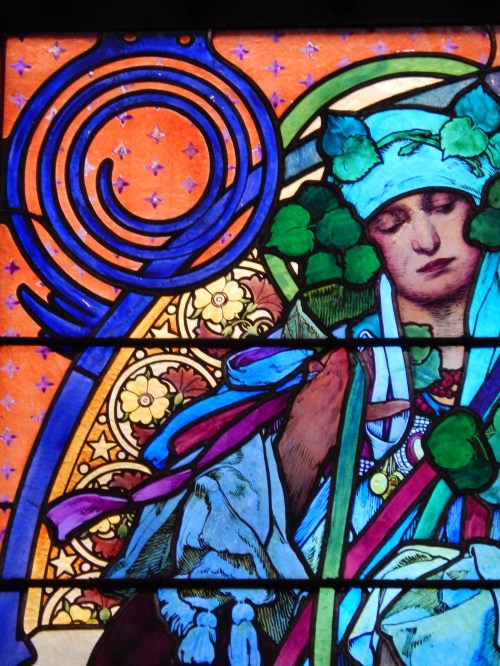
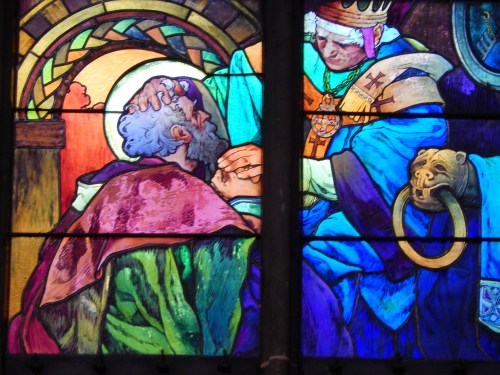
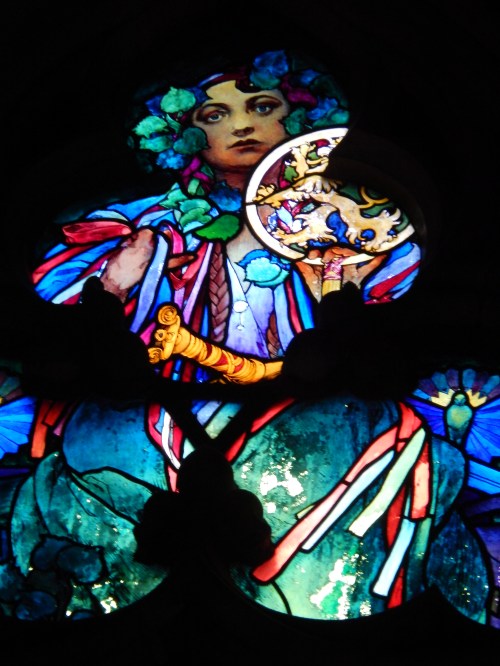
It was a bit of a race against time.  A storm was rolling in. So though we knew we had a few hours before the sun was due to set we didn’t have that great a window of time for light. We raced, as fast as the trolley would take us and then putting foot to pavement, from the Mucha Foundation back to Prague Castle and the St. Vitus Cathedral.  Why? Because at the Mucha Foundation we’d seen a drawing of a stained glass window that Mucha had designed for the St. Vitus Cathedral but he had passed away before seeing it executed. But then while watching a brief foundation video on Mucha we learned that a company had funded the execution of the window and it was in the cathedral.  We made it back to the cathedral in time to purchase a ticket and track down the window. And what a sight it was.

And now there is a race against time to catch a flight home and so I will simply leave you with a few images and a few links. Read more about this amazing artist here: http://www.mucha.cz/index.phtml?S=biog&Lang=EN and http://www.muchafoundation.org/

More to share when I return to the States. Until then, be well.

Read Full Post »

« Newer Posts - Older Posts »