A friend recently asked me to photograph her moonstones. As I wrapped up my photo shoot, I decided to submerge one of the stones in a glass of tap water. That’s all that is … a rock beneath water.

Posted in Inspiration, tagged abstract, beauty, collaboration, colors, Inspiration, moonstone, Photography, stone, water on June 2, 2015| 1 Comment »
A friend recently asked me to photograph her moonstones. As I wrapped up my photo shoot, I decided to submerge one of the stones in a glass of tap water. That’s all that is … a rock beneath water.
Posted in Inspiration, Kitchen Inspirations, tagged colors, edible flowers, edible plants, flowers, indoor gardening, Inspiration, Photography on June 1, 2015| 1 Comment »
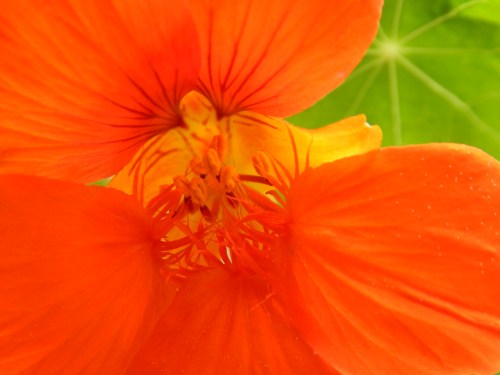
I thought this particular pot held the Empress of India Nasturtium. I’ve been waiting for the bright red flowers but so far all the flowers are this amazing bright orange.
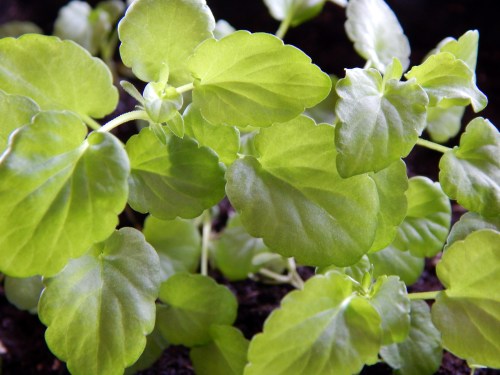
In a medium black bowl I planted my cousin’s viola seeds. After a near fatal encounter with a too bright sun and too little water, so far all goes well.
Posted in Inspiration, Kitchen Inspirations, tagged curiosity, food, food photography, fruit, indoor gardening, Inspiration, nectarine, Photography, seeds on June 1, 2015| Leave a Comment »

The fruit was purchased at a roadside stand, warm red exterior and bright gold interior. Sweet and tangy. A delightful treat. And now I have this seed. To plant or not to plant? 😉
Posted in Branches, Inspiration, Nature Notes, On the Road, tagged abstract, beauty, colors, honeysuckle, Inspiration, landscape, memories, monarch butterflies, nature, nature photography, Photography, plants, storytelling, vines on May 31, 2015| 3 Comments »

As a child I remember a wire fence separating our house and yard from that of the neighbor’s. Along this fence twined the milkweed vines so thick that we were sometimes a stop for errant monarch butterflies. And there entwined amidst these sturdy vines were the delicate strands of the honeysuckle.

A friend taught me how to harvest the nectar. Quite tasty though I did wonder how long would it take to fill a glass or even just a thimble.

Sometimes I’d attempt to braid the vines to make tiny crowns for my dolls’ heads (because my brothers would not deign to wear them). The flowers adorned play dough cakes and moist mud pies. With hindsight, I wish that I had placed them upon the dark red mulberries that I once handed to my dad on a tea set plate.

Just some of the thoughts that came to mind as I recently stood next to a wall of honeysuckle.
Posted in Inspiration, tagged architecture, art, beauty, colors, design, faith, Inspiration, John La Farge, memorial windows, Photography, Resurrection, stained glass, Trinity Church in the City of Boston on May 21, 2015| 2 Comments »
More details from the interior of Trinity Church in the City of Boston. Here we have a close up of the messenger in the stained glass window, The Resurrection, by John LaFarge.

In the March 1902 issue of The Church Standard, the window was described in this way: “A beautiful memorial window has been added to the group in the north transept of Trinity Church. It tells the story of the first easter morning. In the background the purple clouds of morning are hanging, growing lighter as they seem to touch the low lying hills to the rear of the empty sepulchre, and their tints show the approaching dawn. The flowing white garments of the risen Christ reflect the purple tints of the darker clouds … Upon the ground, reclining his head against the tomb, is the sleeping guard whose uniform makes a bright touch of coloring against the sombre hues of the walls. A messenger nearby … [his] graceful garments of crimson and gold stand out in deep and inviting contrast.”
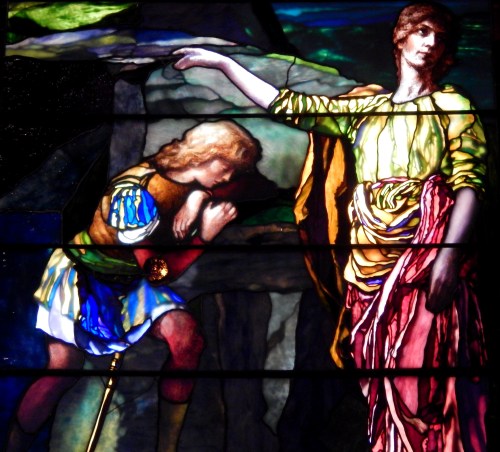
That same month, a reporter for the Boston Evening Transcript newspaper also notes the color: “The color is in the artist’s strongest and most brilliant vein, and is especially remarkable for its aerial tones of graduated blues and greens … In no stained glass work by LaFarge has he carried his extraordinary personal sense of color to a more complete measure of depth and significance. It will, therefore, rank among his most important and characteristic work in this congenial medium.” The window was commissioned by Charles A. Welch in memory of his wife Mary Love Boott Welch who died in 1899.
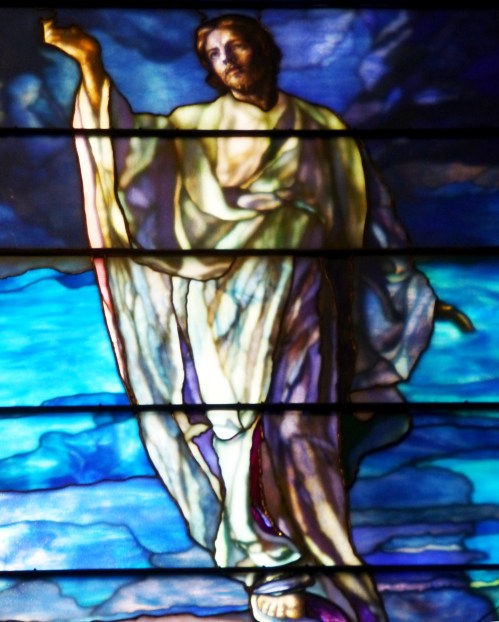
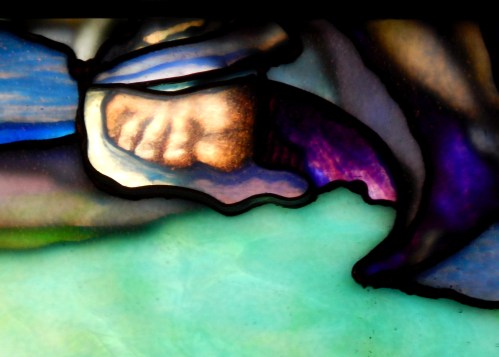
I’ve had the opportunity to photograph this window several times over the years. But this particular day was special. A friend had let me borrow her tripod and another friend had unexpectedly allowed me to access a place not often accessible so I could have new vantage points where I could focus on details I’d never focused on before … like five toes on a foot.
Of course, the whole is magnificent as well.
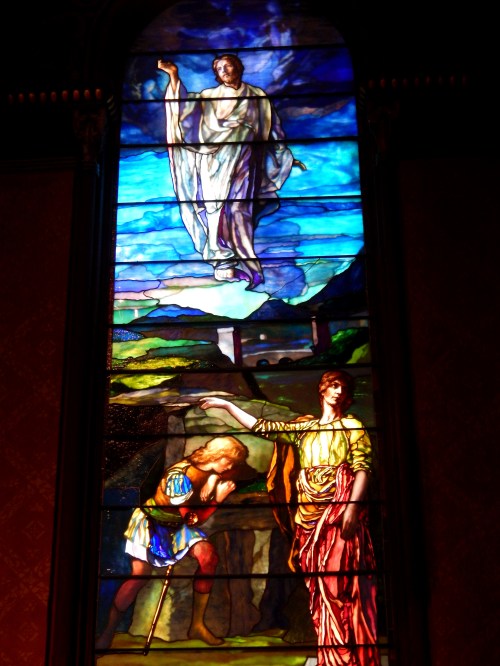
Whatever one’s vantage point, it is a lovely window to behold. Learn more here: Trinity Church Art & History
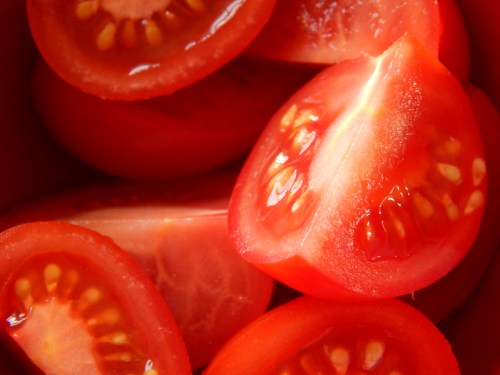
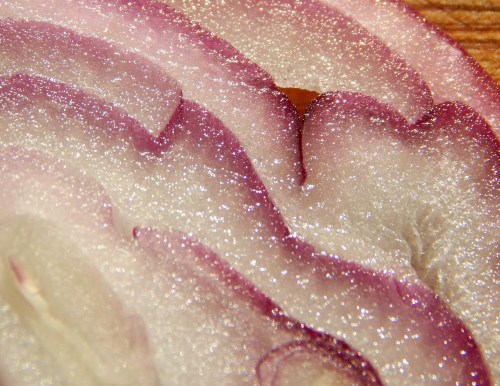
Posted in Inspiration, Kitchen Inspirations, tagged colors, food photography, Inspiration, Photography, red onions, simplicity, tomatoes, vegetables on May 20, 2015| 3 Comments »
Posted in Branches, Inspiration, Kitchen Inspirations, tagged black and white, food, food photography, indoor gardening, Inspiration, Photography, tomatoes on May 14, 2015| 2 Comments »
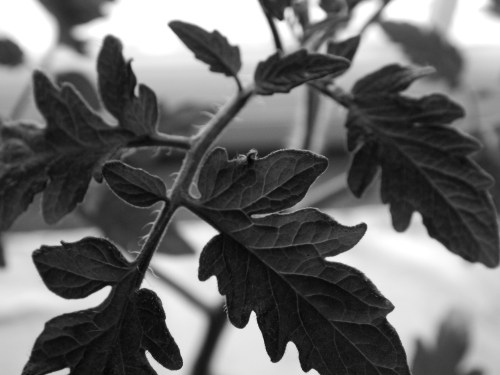
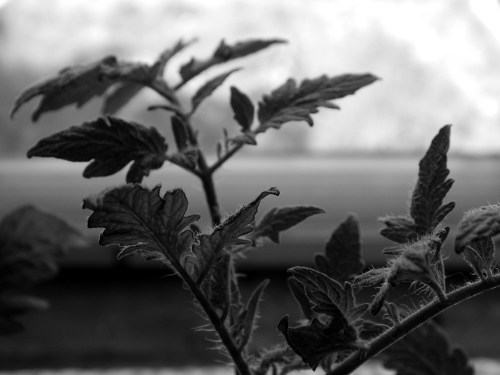
… I consider it a gift. It will soon be planted in a big pot and set to rest on the hallway table next to the container of potatoes. The potatoes will stay indoors, as they always have, but as this plant gets bigger, I’ll take the landlord up on his offer and take it downstairs to the outdoor garden. I’ve grown tomatoes outdoors once before in the city … quite successfully … and then had a major falling out with my local squirrels. We’ll see what happens this time.


Posted in Inspiration, Nature Notes, On the Road, tagged beauty, colors, creativity, Inspiration, music, nature, Photography, urban landscape, videography, water on May 13, 2015| 2 Comments »

There’s an office park in Woburn that has the remnants of a river surfacing here and there running through concrete culverts and pooling in overgrown fields. In the culverts there’s paper blown in from the nearby dumpster but there are also beautiful rocks. In the field, there are branches, dead leaves and green growing stuff.

One windy, partly cloudy day, I was photographing the water and the fall of the light. And then, just to try something different, I decided to record what I saw, in short intervals. With the aid of online tutorials, I managed to figure out how to thread the shorts together. As I watched the scene flow, I could hear background wind and the call of wild geese. But what would it be like with a different sound?

I texted a certain fellow. Now I knew he liked Bach, so I asked, “Is there a piece by Bach that you might pair with scenes of running water?” His reply included Vivaldi, 4 Seasons, Spring, Handel, Water Music. In the end, I selected his suggestion of Faure’s Requiem in Paradesum because he wrote that “It sounds like a waterfall.” Just over three minutes in length. No Oscars to be had just yet, but it is fun to try new things. 😉
Running Waters in Woburn Take Two from Cynthia Staples on Vimeo.
Posted in Inspiration, tagged African American, American history, beauty, black history, culture, Inspiration, life, Photography, race relations, storytelling on May 13, 2015| 3 Comments »

I chanced upon Kicha’s Black History website while researching an African American architect who lived during the late 1800s into early 1900s. I was finding lots of words providing context about the African American experience during this period but very few images until I came across her galleries.

Her unique collection is a moving reminder of the power of images to document the stories of people and places that might otherwise be forgotten.

I highly recommend taking time to peruse the site and view the wide range of photos and their accompanying text. You can scroll through individual photos or browse different albums.

The photos were taken by different photographers. They capture a beauty and dignity as well as diversity not always depicted in today’s historical narratives about the African American experience or in most popular media recreations of the time period.
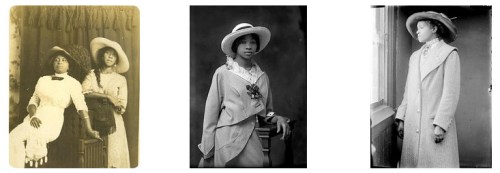

While I don’t know the website creator’s story, I say bravo to what she has pulled together. I think the site does something important by presenting pictures of an American experience that many may not know but may be important to rediscover and celebrate as we continue to define who we are in this melting pot of a nation.
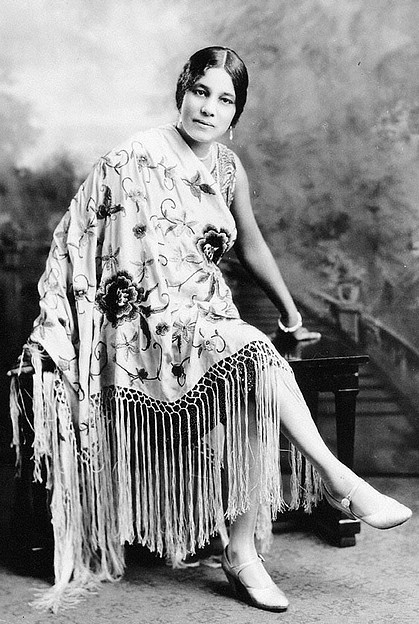
View Kicha’s Black History galleries: http://www.ipernity.com/home/285591
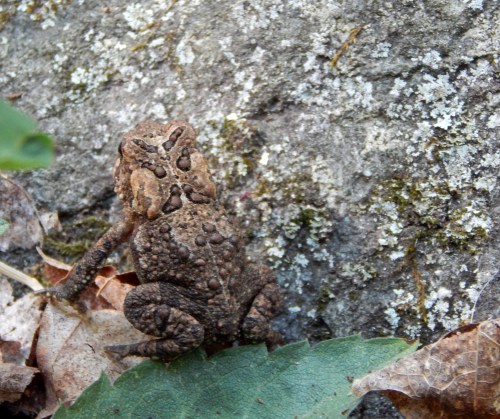
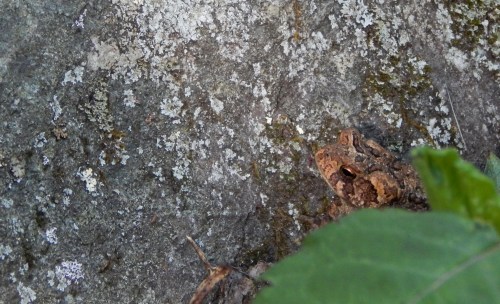
Posted in Inspiration, Nature Notes, On the Road, tagged amphibians, animals, camouflage, colors, frogs, Inspiration, Medford, Middlesex Fells Reservation, nature, Photography on May 11, 2015| 4 Comments »