
As I plantsit a friend’s cactus, it is providing lots of wonderful photographic opportunity. Enjoy, and wherever you are in the world, have a good day. 🙂
Posted in Inspiration, tagged beauty, Christmas Cactus, flowers, indoor gardening, Inspiration, Photography on November 27, 2016| 3 Comments »
As I plantsit a friend’s cactus, it is providing lots of wonderful photographic opportunity. Enjoy, and wherever you are in the world, have a good day. 🙂
Posted in Inspiration, Nature Notes, tagged birds, blue heron, Inspiration, Mystic River, nature, nature photography, Photography, urban landscape on November 27, 2016| 5 Comments »

I did indeed photograph the whole bird as it stood on a log in the Mystic River. I was hoping it might take flight but it didn’t and so I began to focus on the one thing moving — the water rippling as it flowed over the heron’s feet.
Posted in Branches, Inspiration, Nature Notes, tagged beauty, colors, Inspiration, nature, Photography, trees, urban landscape on November 21, 2016| Leave a Comment »
Posted in Inspiration, Nature Notes, tagged abstract, beauty, Charles River, colors, Inspiration, nature, Photography, sun, urban landscape, water on November 17, 2016| 1 Comment »
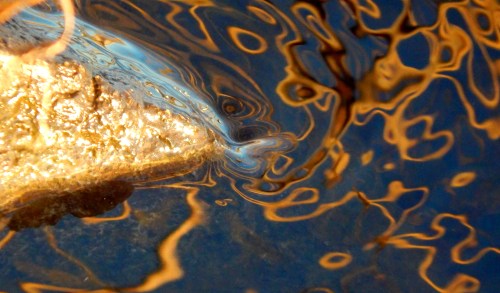
Several analogies came to mind. The sun like liquid gold spilling over rocks into the sea. The sun in a bucket being dribbled from the heavens into the waters below. Jackson Pollack with a wide paintbrush and blue canvas and working only with shades of gold. In the end as in the beginning it was simply reflections of mostly bare branches and refraction at work in the gentle rolling waves of the Charles River.


Posted in Inspiration, Publication Updates, tagged beauty, books, edmands park, Inspiration, libraries, nature, photobooks, Photography, self-publishing, urban landscape on November 17, 2016| Leave a Comment »

scenes from edmands park
Walking into Edmands Park was an escape for me. I was working at a small nonprofit located at Boston College’s Newton Campus researching and writing grants. On occasion I needed to rise from the computer and walk around to collect my thoughts, free my brain from jargon, and so on. I’m not the most adventurous person – really! – but when I start walking I sometimes get lost in the motion. Luckily my job was free form enough, so long as I met deliverables and deadlines, that it was okay if my legs kept me going past the stone walls of the campus and into the neighboring woods. It became ritual and coincided with my deepening exploration of photography. At times it seemed a magical place, strangely isolated, though it was adjacent to an active college campus. I’m not sure how many of the students knew what beauty lay around them. Over time, I would collect photos from across the seasons. I couldn’t wait to make my way into the woods after a heavy rain or snowfall to see how the landscape had been transformed.

Eventually I compiled those images and paired them with a few words about my experiences in Edmands Park into a book and published it independently. I shared the book with friends but I didn’t really know what else to do at the time. Anulfo Baez of The Evolving Critic suggested I check out the Indie Photobook Library (iPL) founded by Larissa LeClair. Her library featured the work of emerging and established photographers who were self-publishing their work. I did reach out to Ms. LeClair and she did indeed accept my submission of In Edmands Park for her library.

Five years later her library collection has been placed at the Beinecke Rare Book & Manuscript Library at Yale University. In a recent press release she stated that while the iPL is now closed to submissions, she “will continue to advocate on behalf of self-publishers from around the world by directly consulting with libraries and museums on their acquisitions.” I am thankful for that early support and recognition of my work and honored to now have one of my books figuratively if not literally sitting on a library shelf at Yale University.

Sources & Additional Reading
iPL collection adds to Beinecke’s strengths in photobooks and modern trends in self-publishing – http://news.yale.edu/2016/11/16/ipl-collection-adds-beinecke-s-strengths-photobooks-and-modern-trends-self-publishing
See more images here: http://www.newtonconservators.org/art_staples.htm
Posted in Inspiration, tagged architecture, art, David's Charge to Solomon, Edward Burne-Jones, george minot dexter, history, Inspiration, Phillips Brooks, Photography, religious art, stained glass windows, storytelling, William Morris on November 16, 2016| Leave a Comment »
In time for the holidays, at the gift shop located at Trinity Church in Copley Square, you will soon find items featuring one of the most striking and provocative images that I have ever taken … probably because the source of the image is so striking and provocative. I think of them as angels though they are harpists robed in white in one corner of the stained glass window, David’s Charge to Solomon, by Edward Burne-Jones and William Morris & Co.

Detail from David’s Charge to Solomon by Burne-Jones and Morris
The women stand in a gallery at the rear of King David’s throne as the aged King delivers his charge to young Prince Solomon, and resting upon the King’s knees are the plans of the future Temple that he will not live to see. The window was presented to Trinity Church in the City of Boston by Frederic Dexter in memory of his father George Minot Dexter (1802-1872). As described in an 1888 church description, “the design is considered especially appropriate as Mr. Dexter lived but just long enough to see the plans of the new church completed and the work begun.”
George Minot Dexter was member of a prominent New England family that traced its roots to England and Ireland. It was a family of farmers, merchants, ministers, doctors and politicians. Dexter would become an architect and civil engineer. In 1836, he was commissioned to design the houses for Boston’s Pemberton Square and all of the accompanying ironwork. Today, 1300 of his architectural drawings for 85 different projects can be found at the Boston Athenaeum, in a building he would help to erect between 1847-1849.
In 1863 Dexter, then senior warden of Trinity Church, would call upon Phillips Brooks. Brooks, the descendant of several New England families of note, was a young minister attracting great attention as he served a Philadelphia parish. The young minister was in demand by many parishes across the nation and Trinity Church was especially active in its attempt to acquire him. It would take six years, in 1869, before Brooks would accept the call.
The church at that time was located on Summer Street in downtown Boston. Forward thinking, Brooks determined that it was time for the church to move to a new location, Boston’s Back Bay. Land had been bought and a building committee had already been formed when Boston’s Great Fire of 1872 destroyed the Summer Street church.
Dexter served on the building committee that selected the design of architect Henry Hobson Richardson. The building, which revolutionized American architecture, would be constructed between 1872-1877. Dexter would not live to see the building’s consecration in February 1877. He died November 26, 1872.
In addition to what has been referred to as The Dexter Window, his service to his church is also featured on a wall tablet, with the inscription by Honorable Robert C. Winthrop. It is located in the North Transept. Winthrop refers to Dexter’s self-sacrificing nature and how he remained “active to the last in good works and particularly in his tender care for the interest of the living and the remains of the dead during the trying scenes which attended the burning of our old house of worship in Summer St …”
He refers to the fact that beneath the Summer Street church was a crypt with family vaults. That crypt was laid bare by the destruction of the building overhead. Dexter would tend to those remains until he lost his life. In a letter to his friend Miss Mitchell, Phillips Brooks would write:

If you have the opportunity to tour Trinity Church, you’ll notice not only magnificent stained glass windows like David’s Charge to Solomon but also wonderfully decorated tablets with words that provide just a glimpse into the lives of people who considered that space their home. Well worth taking a moment to read. Enjoy!
Sources, Additional Reading and Opportunities
Trinity Church Art & History Tour Information
The Garden Square of Boston by Phebe S. Goodman
http://cdm.bostonathenaeum.org/cdm/ref/collection/p15482coll1/id/839
Posted in Inspiration, Kitchen Inspirations, tagged copper pots, food, food photography, garlic, herbs, indoor gardening, Inspiration, old masters, painting, Photography, William Merritt Chase on November 14, 2016| 1 Comment »

The inspiration was William Merritt Chase’s Just Onions painting now on view at the Boston Museum of Fine Arts. It is a lovely still life of a few onions next to a copper pitcher. Given that I know a certain fellow who is currently obsessed with collecting and restoring copper pots, I figured why not try my own series of “just[fill in the blank]” with the copper pots in the background.
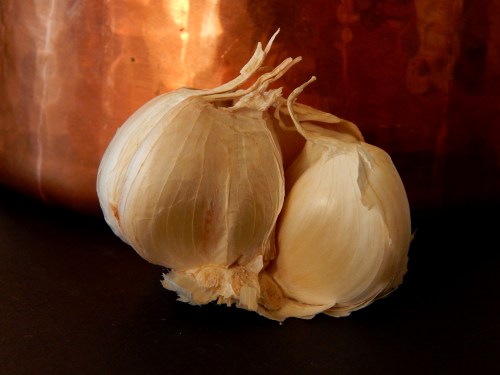
Who knows? This may turn out to be a fun winter project, to sketch out still lives with these refinished copper pots, and then to see if I can bring these ideas to life.

Just Onions by William Merritt Chase, 1912
Learn more about the actual painting here. And visit my JustFood shop for other food images.
Posted in Inspiration, tagged chocolate, friendship, gifts, Inspiration, Photography on November 14, 2016| 1 Comment »
A woman ventured out on her lunch break. Her plan? To buy herself a cup of hot chocolate. Unfortunately that line in the store was too long. What did she do? She purchased an individual chocolate for herself and then for all of her coworkers. I was a lucky recipient of this unexpected little gift.

photo by DL
Posted in Inspiration, tagged butterfly metaphor, class, Inspiration, opinion, Photography, politics, race on November 10, 2016| 5 Comments »
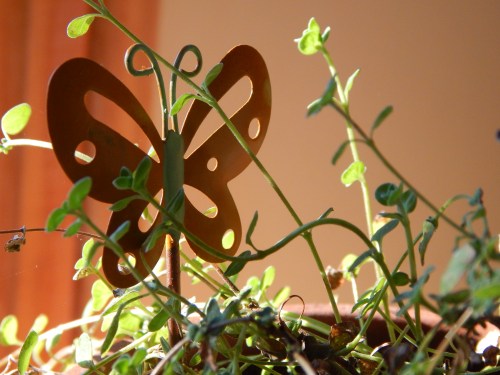
butterfly in herbs
I don’t trust the incoming President of the United States, nor the people he is likely to appoint to his cabinet, nor the Republicans already in Congress who supported him, nor those Republicans who didn’t support him but were re-elected anyway, not the person he will try to appoint to the Supreme Court, and possibly not even the person he will hire to walk his dog assuming he decides to have one in the White House — I don’t trust any of these people to look out for my best interests as a human being let alone as a citizen of the United States and of the world. So what am I supposed to do as a human being, as a citizen of the United States and of the world?
It is rather despicable to see the likes of Mitch McConnel and Paul Ryan on stage stating that as soon as Trump is officially President they will work to repeal the Affordable Care Act (why not work to fix its problems and expand what works?), cut taxes (for whom or what?), confirm conservative judges (why not find the best judges?), shrink government programs (which ones and why?) and roll back regulations (for whom and why?). They speak only to removing and wiping away President Obama’s legacy — they speak not a word about how they will unite a clearly divided country, provide support to people of all races and socio-economic backgrounds whether at the federal level or by supporting state governments to do work at the ground level. There is no acknowledgement, nor will there ever be I suspect, of how the Republicans chose to purposefully roadblock Obama every chance they could, and that roadblocking had absolutely nothing to do with the best interests of the American people. It was to prove a point, to hammer it home, at the expense of the American people.
I will not pull out the race card, immigration, fear of “the other.” Van Jones did that eloquently enough.
To some degree the issues that divide this nation are the issues that have been present since the founding of this nation – race, class, gender, fear, hope, desire and so on. There especially seems to be a universal anxiety about the future. If there are those who are not anxious then I wonder what bubble they live in. Somehow or other, we have been able over time, and sometimes bloodily so, to overcome if not outright address these issues. But these issues, a part of our human nature, do not ever fade away.
I will continue to mull over what I will do positively to move forward as a human being and citizen of the United States and of the world. I personally do not feel a desire to wrap myself inside a cocoon until a better day arrives. Today is all we have. I will continue to celebrate what has made this country great all along, to seek out its beauty with my camera, to share the stories of its people, past and present, and those who strive to become part of its future, and I will make a greater effort to be an active citizen. I’m never going into politics, but I am reinvigorated to go knocking at the door of those who serve the people at the local level and to ask them, what are you going to do?
Posted in Branches, Inspiration, tagged beauty, Charles River, colors, Inspiration, light, nature, Photography, poetry, urban landscape, water on November 9, 2016| 2 Comments »
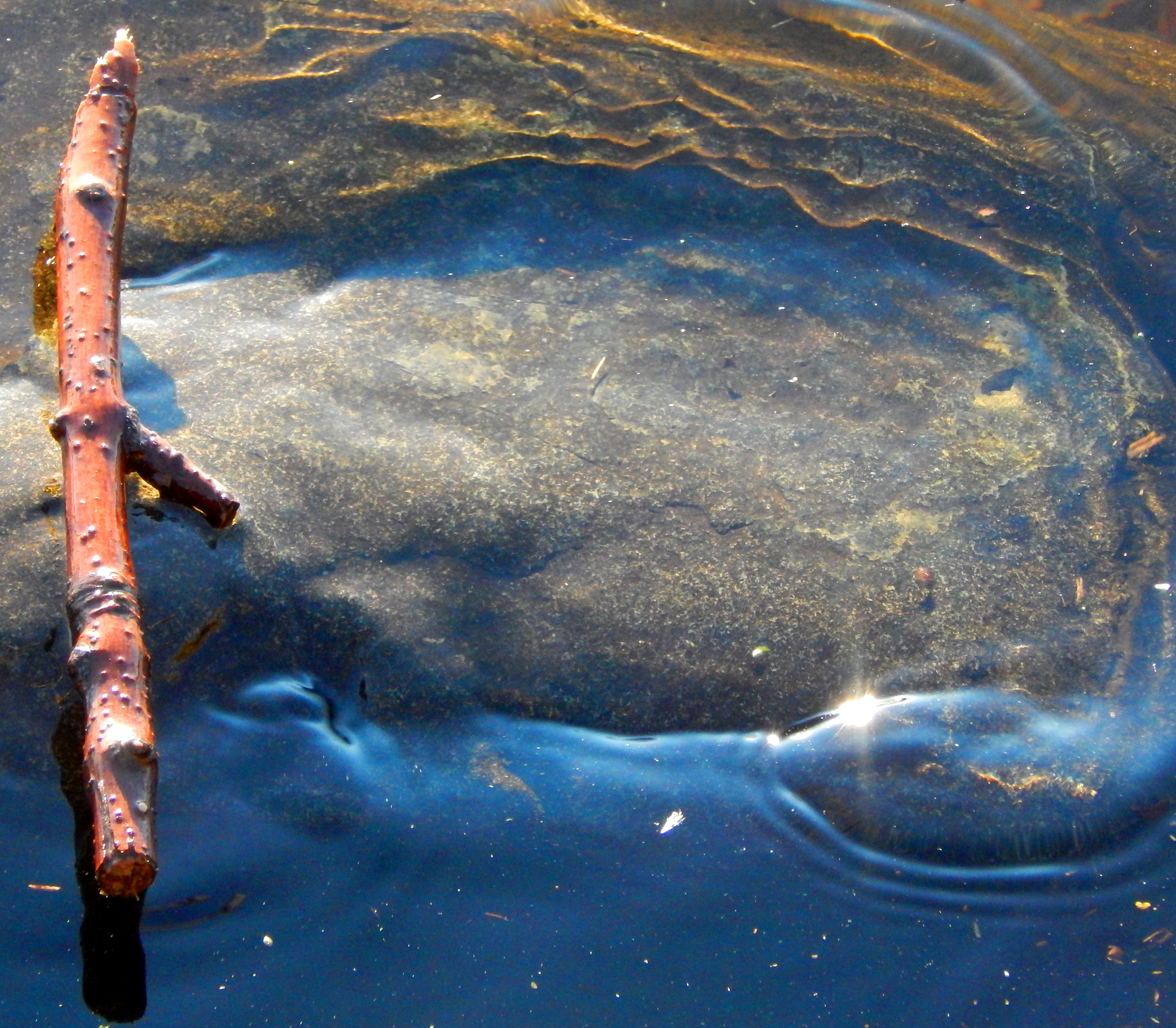
One day I went wandering by the river because I felt a little lost. I thought I might find focus on the leaves fallen in the water but the sun was at such an angle that I could not get the right shot. I kept wandering by the river, in hope, still focusing my camera on the leaves.

A leaf or two I did find but they were not exactly what I sought and so I continued my journey by the river, in hope, seeking something, though I knew not exactly what.
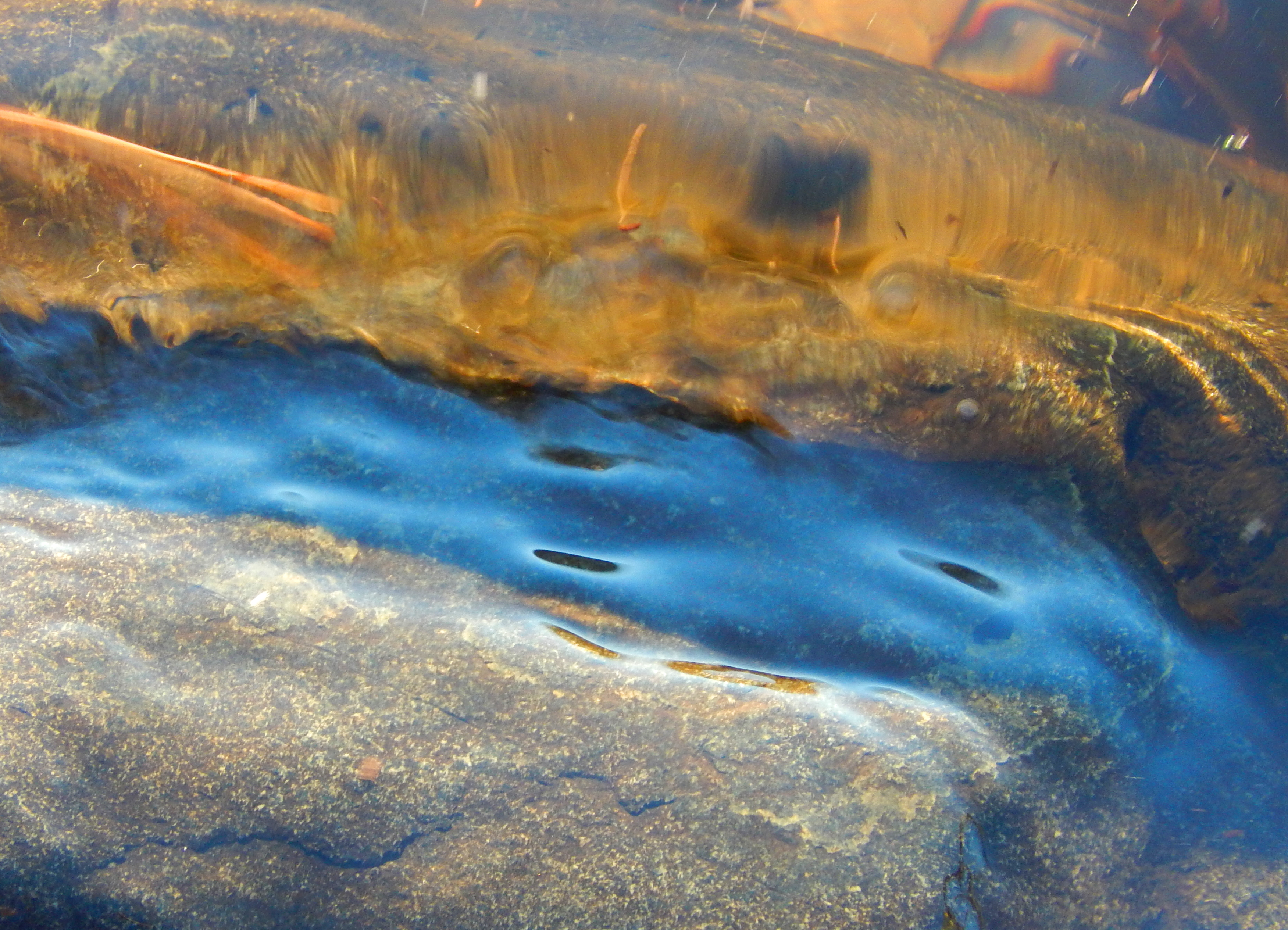
I grew cold and frustrated. There I stood on the banks of the Charles River knowing I had to give up. As I paused, undecided of my direction, my eyes rested on the waters — you see, the sun was so low it was hard for me to look up.
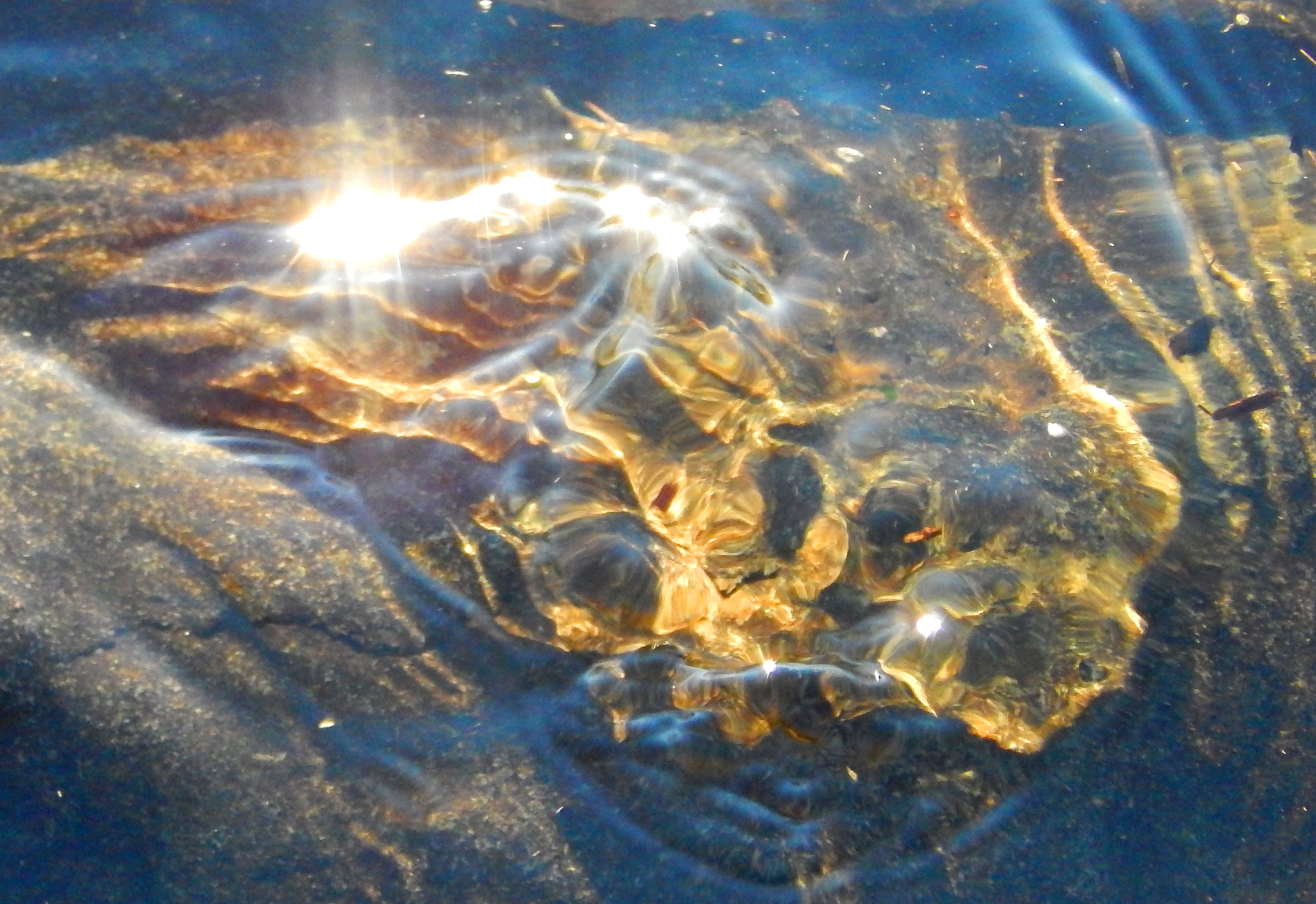
Waters lapped upon the shore, cascaded over the rocks and swirled small broken branches about. A lovely sight especially when I realized in the water the blinding light was subdued. It was a delight.

No doubt there was beauty behind me and there would be beauty before me but on this particular journey I found the beauty right in front of me. And that’s what I chose to photograph.


 Words + Images