Posted in Branches, Inspiration, Nature Notes | Tagged beauty, color, flowers, Inspiration, light, morning glories, nature, Photography, urban landscape, vines | 3 Comments »

Caustic in Black & White 1
Okay, I first remember reading about John Cage in a story by Alex Ross of The New Yorker. The piece opened with a description of the 1952 performance of John Cage’s composition, 4’33”, which turned out to be four minutes and thirty-three seconds of silence. It’s a bit more complicated than that, or maybe not, but you can read more via this article link. John Cage and silence came to mind recently because I was sharing a video I’d made with the physicist in my life and when I asked him what piece of music should I pair with these images, he suggested, “soundtrack by John Cage.”

Caustic in Black & White 2
At first I thought he was kidding. There had to be a short classical piece to fit the light and motion so reminiscent of northern lights. When I’d asked him what music to pair with a short video of sunlit water flowing over rocks, he’d suggested Faure’s Requiem in Paradisum. Now he recommended silence? On my own, I found Bartock’s Evening in the Village. I tried the pairing. He appreciated Bartok but he still favored Cage. I read a bit more about Cage, his compositions, his performances, his poetry … an interesting man to say the last.
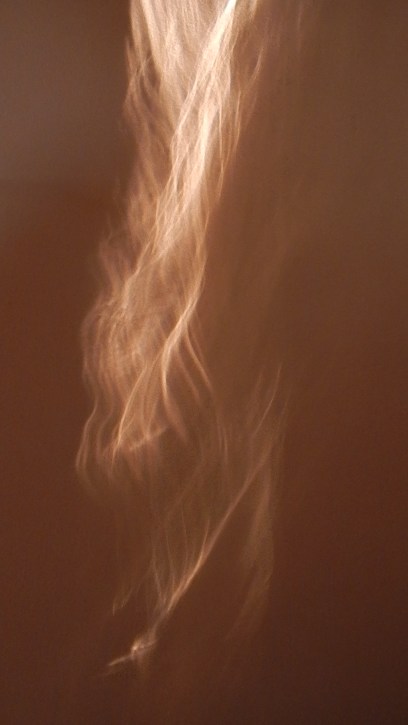
Caustics in Color
So what I captured on the wall one morning took place in less than four minutes and thirty-three seconds. It involved a rippled window, a different one in the house. Light shone down through the gaps in the leaves and branches of the oak tree that towers over the house. That light made its way through the glass refracting through the ripples producing a dynamic pattern of caustics on the wall. Most often that pattern of light is static but this particular morning the wind was blowing. The branches and the leaves they moved creating what that physicist described as “a pattern of illumination that varied in space and time.” It was a good moment inspiring some experimentation as you can see in the video below. The flickering on the wall is as it happened … in less than four minutes and thirty-three seconds.
A Silent Dance from Cynthia Staples on Vimeo.
Posted in Branches, Inspiration, Nature Notes | Tagged abstract, caustics, experimentation, fun, Inspiration, music, nature, oak tree, Photography, physics, poetry, refraction, science, silence, sunlight, time, urban landscape, videography | 2 Comments »
 If you’re in the area, please join me at the opening reception of the StoveFactory Gallery’s Annual Fall Exhibition, Friday, October 16, 6:00-9:00. Visit the Gallery website to learn more about the Artists Group of Charlestown which sponsors this exhibit and about the diverse range of artists whose works will be on display. I am honored to have had one piece excepted for the exhibit, a 16 x 20 framed print, Cosmos. Read more about the origin of this print via this link.

Cosmos
Posted in Inspiration, Photography, Photography Exhibits, Publication Updates | Tagged Annual Fall Exhibition 2015, artwork for sale, exhibit, Photography, StoveFactory Gallery | 4 Comments »

The demolition before construction of a major new development in my neighborhood. A rather strange beauty in the early morning light.



Posted in Inspiration | Tagged architecture, colors, destruction, Inspiration, Photography, Somerville, strange beauty, urban landscape | 4 Comments »

Posted in Inspiration, Nature Notes, On the Road | Tagged abstract, beauty, feather, Inspiration, nature, Photography, urban landscape | 2 Comments »

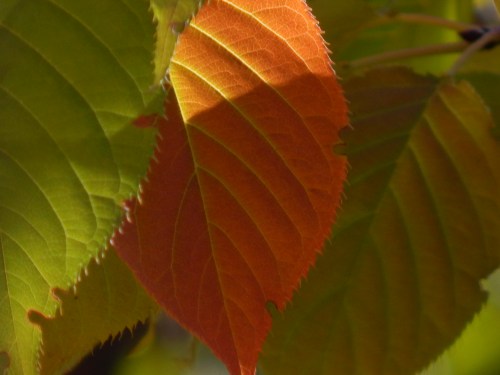
Posted in Branches, Inspiration, Nature Notes | Tagged beauty, colors, Inspiration, leaves, nature, Photography, sunlight, urban landscape, windows | 1 Comment »

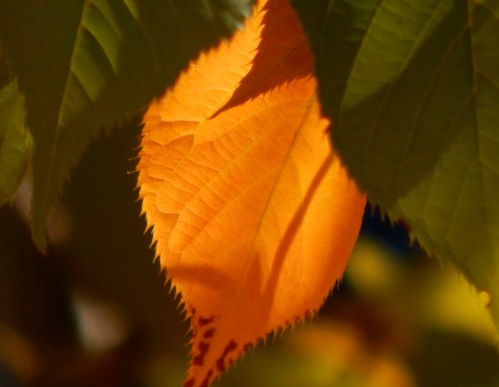
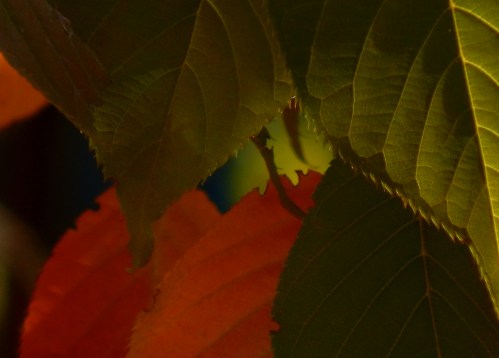
Yes, through the rippled glass. The landlord recently told me that he had specifically selected that rippled glass. A carpenter, he had found the glass in a building being demolished. And when he assembled the windows for his home, he used the rippled glass.
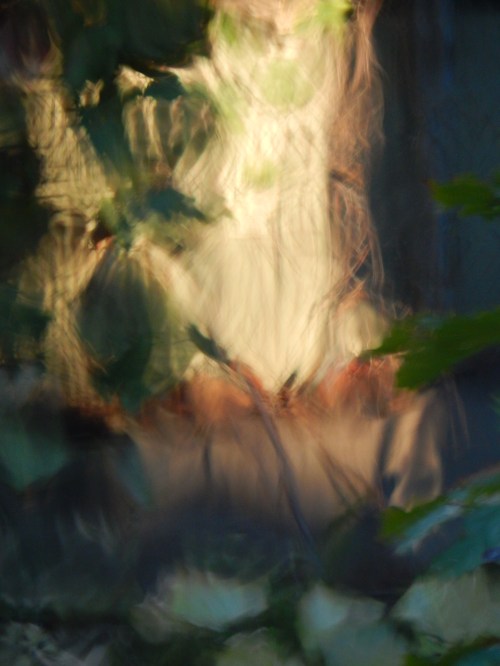
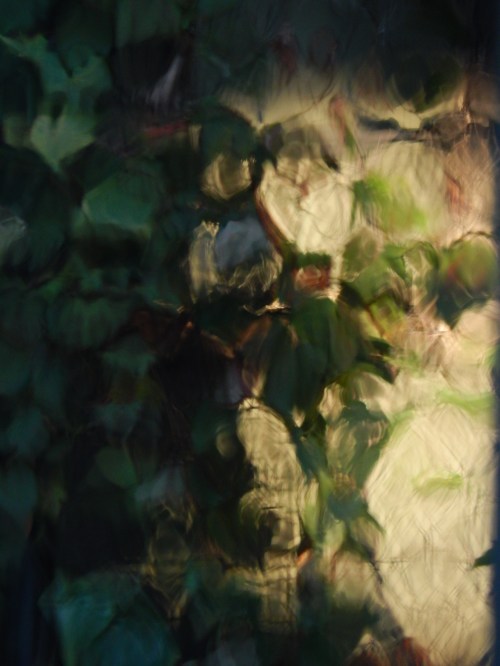
Posted in Branches, Inspiration | Tagged art, beauty, color, Inspiration, light, Photography, ripple glass, storytelling, urban landscape, windows | 5 Comments »
… there was a school and on the campus there was a chapel and inside the chapel there was a stained glass window known as The Singing Window.

photo by Carol M. Highsmith
Sources and Additional Readings
Learn more about the photographer Carol M. Highsmith on the Library of Congress website: Carol M. Highsmith Archive.
Learn more about Tuskegee University including its tours and the history of the chapel.
Posted in Inspiration, Music | Tagged African American history, Alabama, architecture, art, beauty, black history, civil rights, history, Inspiration, Katherine Lamb Tait, music, negro spirituals, Photography, religion, Robert Moton, slavery, stained glass windows, storytelling, Tuskegee | 3 Comments »

… bald head, wings spread wide, feathers catching the morning light. In fact it is water racing down the asphalt hill near where I live as the workmen opened up a fire hydrant. The convergence of several flows …
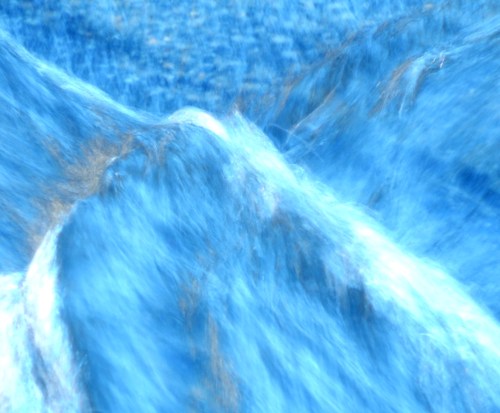
… a cool sight for me but not so entertaining for those suddenly wading through an unexpected stream.
Posted in Inspiration | Tagged blue, colors, imagination, Inspiration, Photography, urban landscape, water | Leave a Comment »

Posted in Inspiration, Nature Notes | Tagged colors, Inspiration, nature, Photography, sky, Somerville, sunset, urban landscape | 2 Comments »

