November 7, 2015 by Cynthia
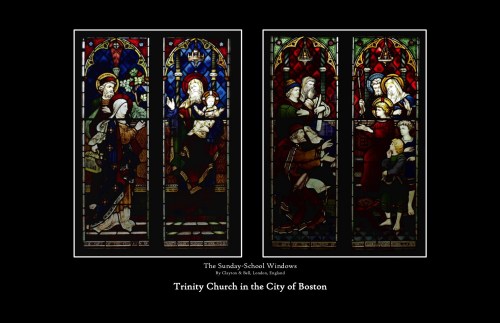
Posted in Inspiration, Postcards | Tagged architecture, art, churches, Clayton & Bell, faith, Inspiration, Photography, Postcards, religion, stained glass windows | Leave a Comment »
November 3, 2015 by Cynthia

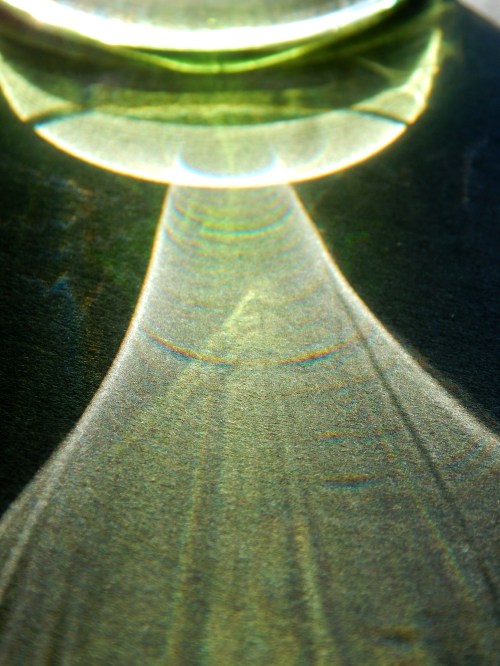
The drinking glass I picked up at a thrift store with the intention of planting sprouts in it this winter. But for now it has been sitting on a table next to the window. This morning I dropped two small tomatoes into it, just a placeholder until I chop them up for salad later. Then that thing happened again. While at the keyboard I happened to glance over my shoulder and there it was, a curious light on the tomato as the morning sun shone through the curves of the green glass. At first my focus was purely the tomato but as I hunched over my still life I noticed what was happening at the base of the glass. So I placed a piece of black cardboard beneath the glass, removed the tomatoes and added some water. This is what I saw.

I changed the level of the water. I placed the green glass on top of a clear glass to raise its height. At one point I dropped in an ice cube.

It was just fun to see what changes might take place.

I set aside the green glass and replaced it with a clear square glass that has a thick bottom. I photographed its pyramid like base and that was pretty cool.
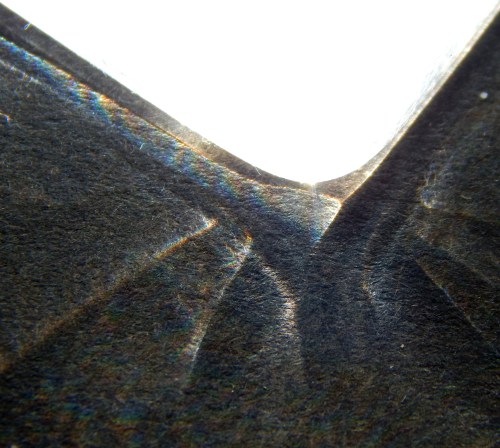
Overall, my “experiment” took about 15-20 minutes.
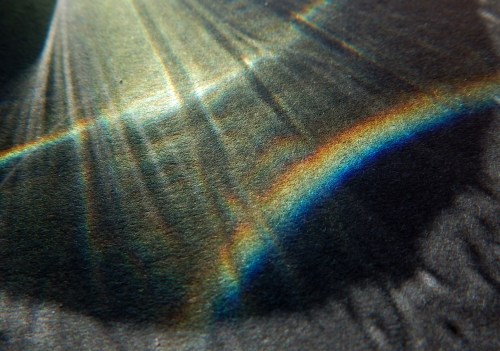
Not much clean up. Just some glasses to dry.
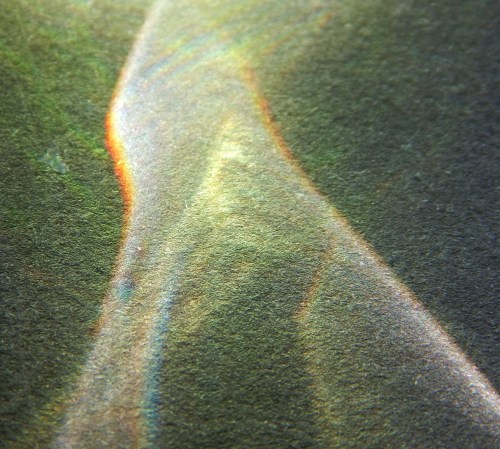
Just some glasses to dry.
Posted in Inspiration | Tagged abstract, beauty, colors, curiosity, fun, glass, green, Inspiration, light, Photography, rainbows, refraction, storytelling, water | 4 Comments »
November 2, 2015 by Cynthia
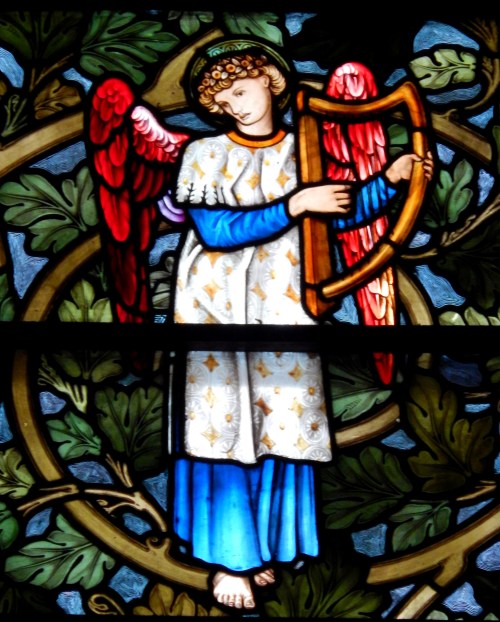
… they are Edward Burne-Jones angels. Eighteen of them in a series of windows that are often referred to as the Christmas Windows, located inside Trinity Church in the City of Boston. As I’ve written about before on this blog, these windows depict The Journey into Egypt, Worship of the Magi, and Wonder of the Shepherds. The windows were designed by Burne-Jones and executed by William Morris in 1882.

Photographing these angels is very much a work in progress. I’ve only captured eight so far and not all to my satisfaction. British historian Fiona McCarthy once wrote what would Christmas be without a Burne-Jones angel.
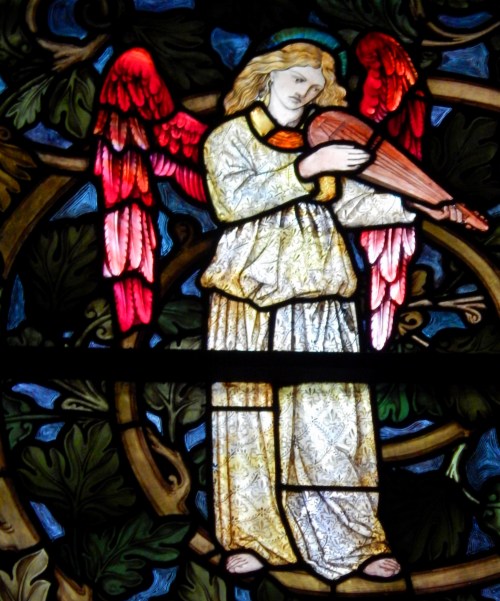
Maybe that is the goal I can set for myself. Before Christmas to have photographed all eighteen angels. Wouldn’t that be something? We’ll see. You know I’ll share if I succeed. 😉
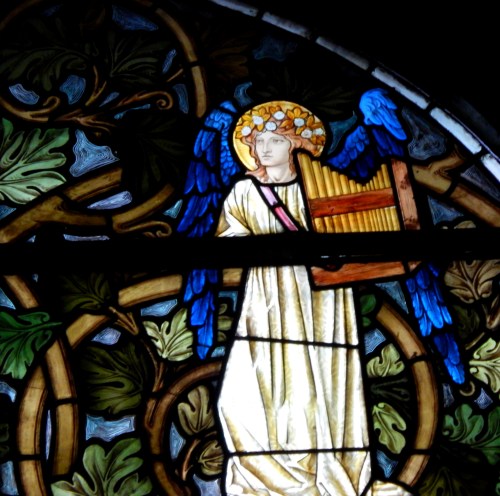
Meanwhile, learn more about visiting Trinity Church and seeing the angels for yourself via this link: http://trinitychurchboston.org/art-history/tours
Posted in Inspiration | Tagged angels, architecture, art, Christmas, colors, Edward Burne-Jones, faith, Inspiration, Photography, pre-raphaelites, religion, stained glass windows, Trinity Church, William Morris | 9 Comments »
November 1, 2015 by Cynthia

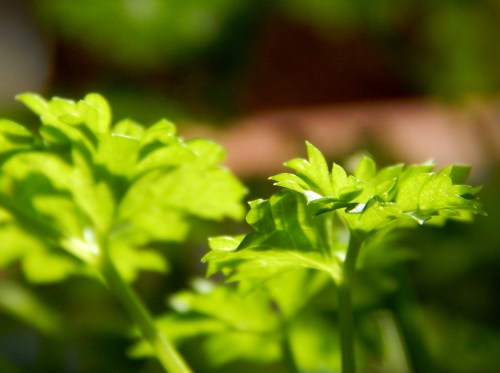
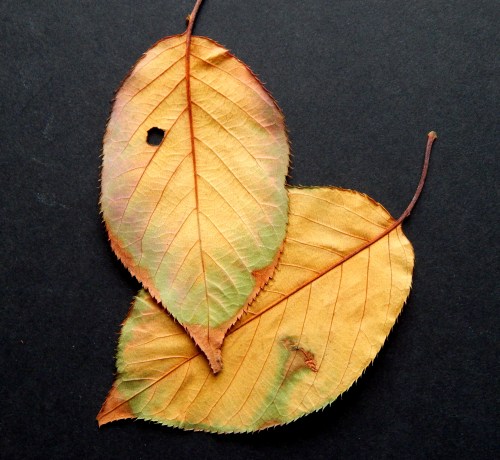
Many things have caught my eyes in the fading autumn light. Shadows on the ground. Angels in stained glass windows. Parsley fading in my indoor garden. I have snapped shots of them all and yet it is the detail from two leaves given by a friend that I choose to share this day.
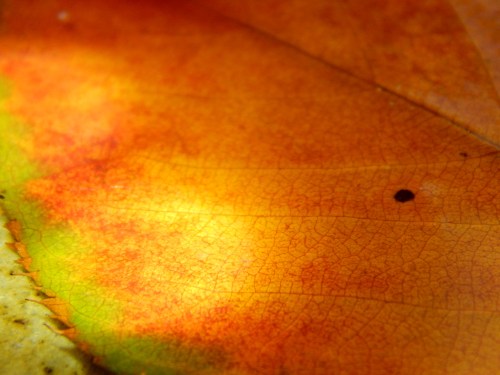

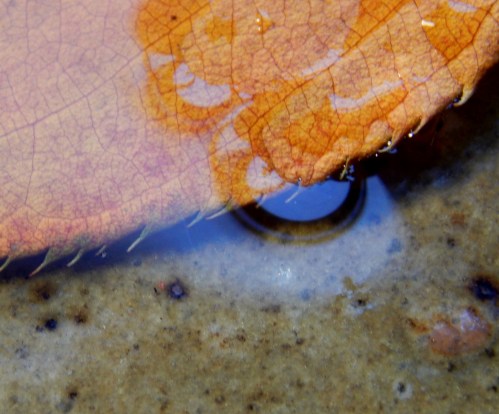
She handed them to me as she raced out the door, baby in one hand, and two leaves in the other. She said she thought of me as she saw them, and as she’s done in the past, she added with a smile, “Now, see what you can do with these.” Encouragement is always good. 😉
Posted in Branches, Inspiration, Nature Notes | Tagged abstract, art, autumn, beauty, colors, encouragement, friendship, gifts, Inspiration, leaves, nature, Photography, seasons, water | 7 Comments »
November 1, 2015 by Cynthia
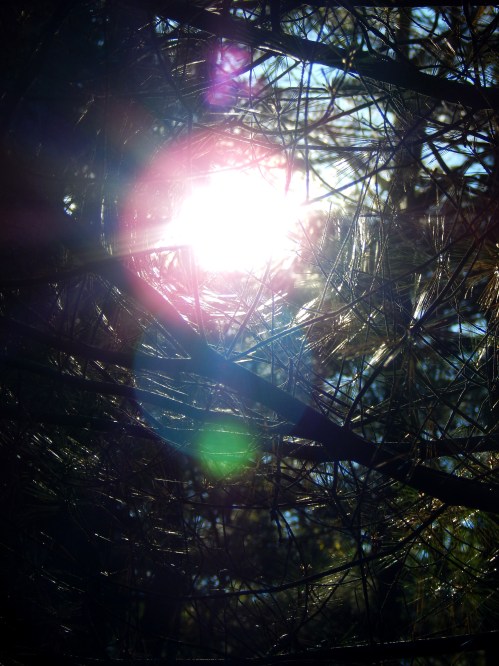
Posted in Branches, Inspiration, Nature Notes | Tagged beauty, Blue Hills Reservation, colors, Inspiration, light, nature, Photography, pine needles | Leave a Comment »
October 30, 2015 by Cynthia
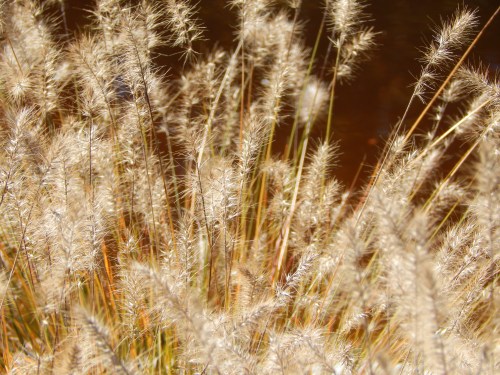
Posted in Branches, Inspiration, Nature Notes | Tagged brown, colors, encouragement, gold, grasses, Inspiration, light, nature, Photography, urban landscape | 2 Comments »
October 28, 2015 by Cynthia

… paired with a powerful poem referencing Icarus. It can take a while for the free version of the 52 page journal to load but it is worth it to start from page one and work your way to the end. This Fall 2015 edition of Dirty Chai Magazine is filled with beautiful art, creative nonfiction, fiction and poetry. As the editor Azia DuPont notes in her opening letter there are a number of sensitive pieces dealing with tough topics chosen “not for their shock value but for their humanity.” As always I am honored to have one of my photos selected to share the page with such works. Enjoy.

https://dirtychaimag.files.wordpress.com/2015/10/dirtychaiissueviiifall2015.pdf
Posted in Uncategorized | Tagged art, Dirty Chai, feathers, Inspiration, literary magazine, Photography, poetry, prose | 1 Comment »
October 27, 2015 by Cynthia
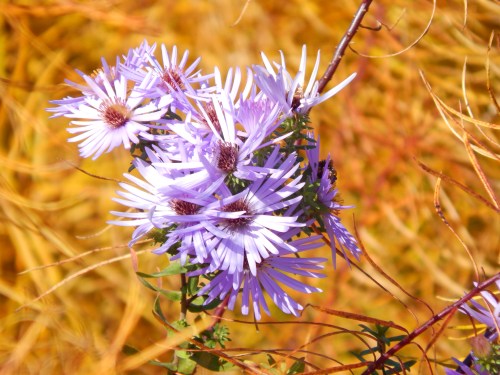
Posted in Inspiration, Nature Notes | Tagged autumn, beauty, colors, gold, Inspiration, light, nature, Photography, purple, urban landscape | 1 Comment »
« Newer Posts - Older Posts »