
A pepper plant blossom that I found on the floor
and then placed on a piece of blue vellum.
A pepper plant blossom that I found on the floor
and then placed on a piece of blue vellum.
Posted in Inspiration, Kitchen Inspirations, Nature Notes | Tagged arts, blossom, blossoms, colors, digital photography, flowers, food, Inspiration, nature, pepper plant | 4 Comments »

I will miss this jewel of the farmers market.
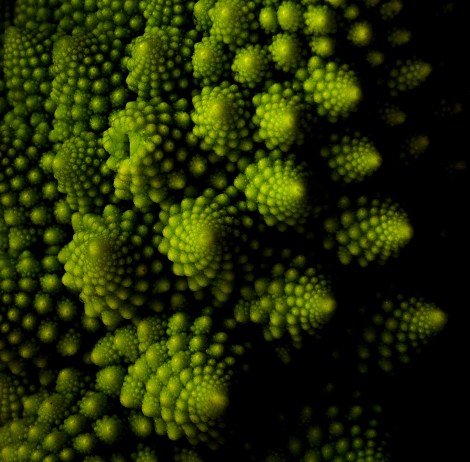
Posted in Inspiration, Kitchen Inspirations, Nature Notes | Tagged cauliflower, colors, design, digital photography, farmers market, food, food photography, fractals, green, Inspiration, romanesco broccoli, science | 5 Comments »

Next year, if I am lucky enough to meander through the Copley Square Farmers Market each week, I will try to talk with the farmers. To learn more about what they farm and why, and how they choose what produce to display in which city squares and why. The last one of this season in Copley Square will take place Tuesday November 20th from 11:00 am – 6:00 pm. If you’re in the neighborhood, enjoy!
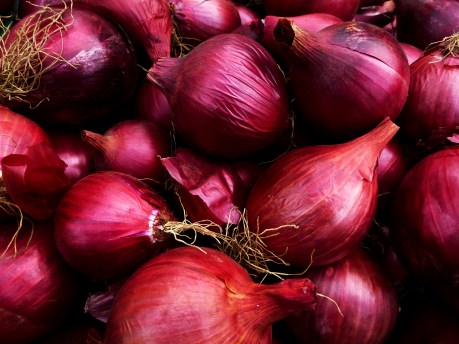
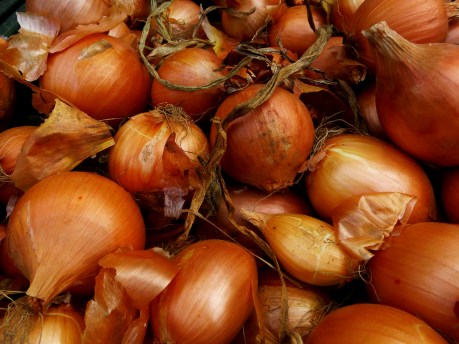


Posted in Inspiration, Kitchen Inspirations, Nature Notes | Tagged colors, Copley Square, farmers market, food, food photography, Inspiration, nature, plants, vegetables | 2 Comments »
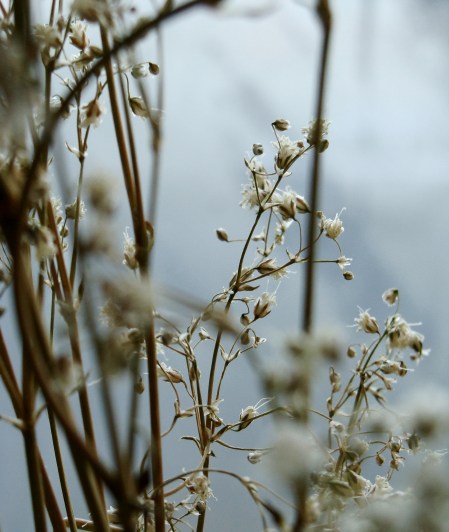
I have been trying to photograph a vase of baby’s breath for quite a while now. The stems were part of a larger bouquet, just filler for the fancier flowers. But as those flowers passed away, the baby’s breath remained, tall and strong though with a certain fragility.
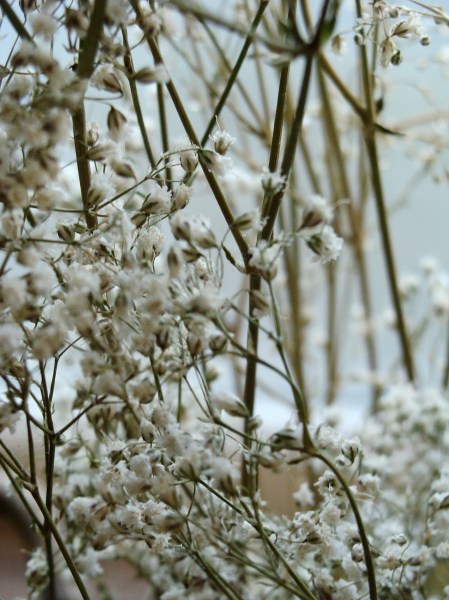
This morning as I sat at the kitchen table thinking about the chaos in many a friend and family member’s life right now, people who are bearing the weight of so much sadness, my eyes kept falling upon the vase of baby’s breath. The light from that same sun that struck the green sage mentioned in an earlier post now fell upon fine white petals.
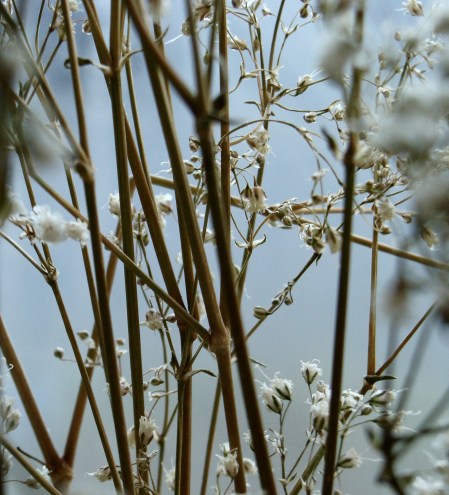
Against the backdrop of a window still covered in frost, the petals reminded me of fresh fallen snow with the dazzle of glistening flakes and the accompanying quiet that descends upon the land. In those moments, I always think of snow as a beautiful thing.
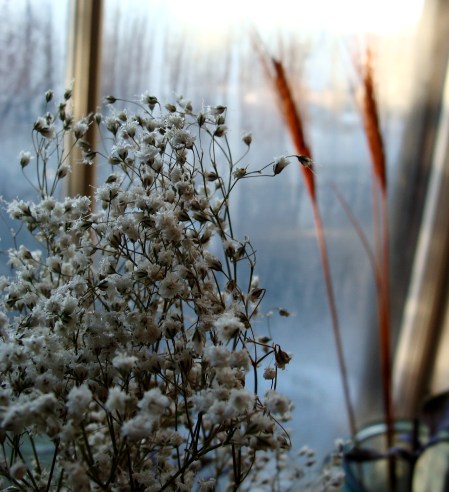
I once wrote a poem about white being the color of sadness. When I wrote those words years ago, that feeling was true. Today I feel differently. I don’t know what color sadness is for me today, but I know it is not white.
Posted in Branches, Inspiration, Nature Notes | Tagged baby's breath, family, flowers, imagination, Inspiration, life, nature, nature photography, white | 7 Comments »

Posted in Inspiration, Kitchen Inspirations, Nature Notes | Tagged abstract, autumn, colors, food, food photography, Inspiration, nature, orange, pumpkin | Leave a Comment »
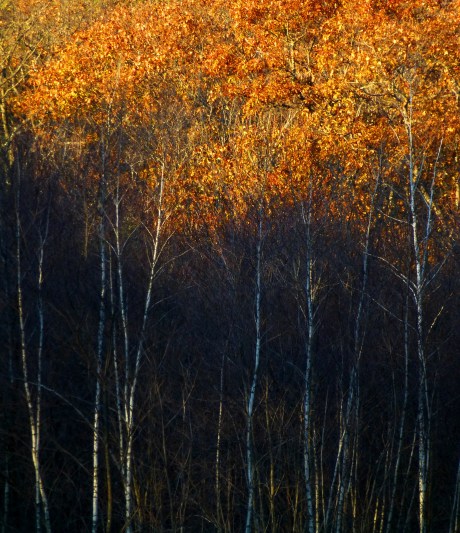
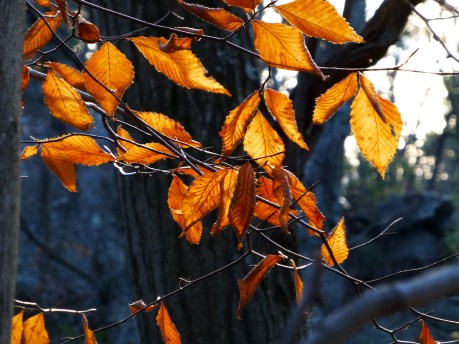

Posted in Inspiration, Nature Notes, On the Road | Tagged autumn, Blue Hills Reservation, colors, gold, Inspiration, landscape, Milton, nature, nature photography, outdoors, walking | 2 Comments »

I was hoping a walk in the woods would help me regain focus for steady, solid writing. I think it is okay that I was inspired to paint instead.
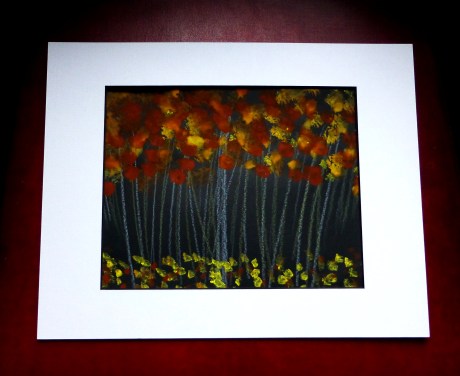
Posted in Inspiration, Nature Notes, On the Road | Tagged art, autumn, birch trees, Blue Hills Reservation, Inspiration, landscape, nature, outdoors, sense of place, walking, watercolor | 4 Comments »
I have written of Steve’s kitchen quite often and in various ways, from the dishes he prepares to the memories evoked by his simple act of making coffee. This autumn, I have found that even with that cup of coffee in hand, I like to sit in the quiet of his warming kitchen. Like ritual, I watch the remaining leaves on the towering oak tree flutter in a morning breeze, and then … it happens. I look across the table at Steve and I say, “The sun is coming around the corner on its sled.” He says, “Mmmmhmm.”

It does not flood the room, this autumn light. It moves slowly like honey or light maple syrup across a plate. My favorite part? How light pours upon the pot of sage.

It soaks into dusty leaves, alive and dead, and runs along unruly stems.

Truth be told, there are other herbs in the room, on the same little table, buckets of basil, rosemary stalks and more. But my favorite sight in the morning light, this autumn so far anyway, remains the sage …
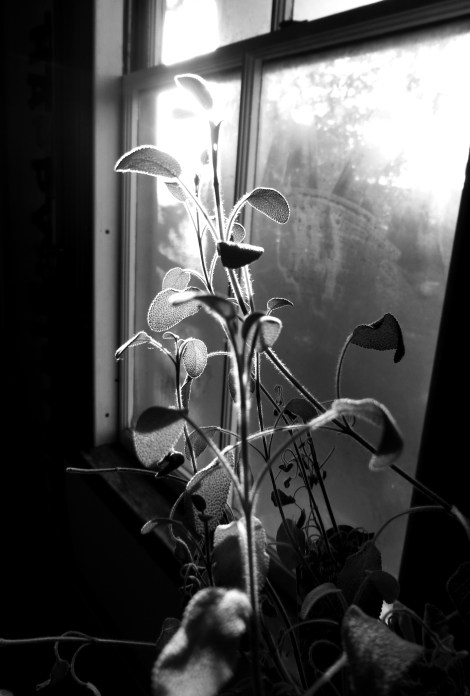
…even when its leaves are not green.
Posted in Inspiration, Kitchen Inspirations, Nature Notes | Tagged colors, food, food photography, gardening, herbs, home, Inspiration, kitchens, light, nature, plants, relationships, sage | 4 Comments »

Posted in Inspiration, Kitchen Inspirations | Tagged colors, farmers market, food, food photography, gardens, Inspiration, lettuce, nature | 1 Comment »
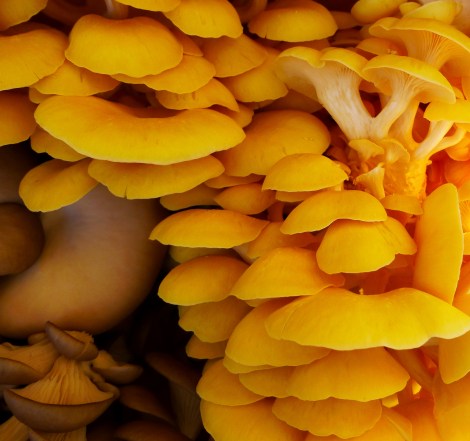
As I sorted through these images taken at Friday’s Copley Square Farmer’s Market, I realized that one of the most unexpected pleasures of this year (so far) has been discovering the flavor, texture and just plain visual beauty of the oyster mushroom. Sauteed in olive oil with garlic and black pepper and served on toast …. delicious! Hmmm. I do wonder what the winter holds. 😉


Posted in Inspiration, Kitchen Inspirations, Nature Notes | Tagged colors, farmers market, food, food photography, Inspiration, nature, oyster mushrooms, recipe | 4 Comments »

