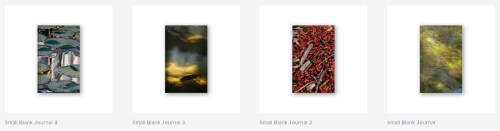
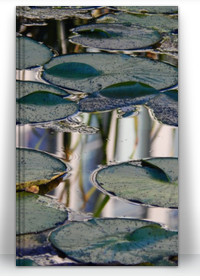
You can now find a series of inexpensive blank notebooks in my online bookstore. Simple little books with nature-themed covers that hopefully spark some creativity or inspiration. A bit more elegant than an index card for capturing quick thoughts or a sketch. 🙂 You can actually write in them or collect them for their covers of the New England landscape. Check these and other books out at Books by CStaples.

Posted in Inspiration, Nature Notes | Tagged blank notebooks, colors, Inspiration, landscape, nature, New England landscape, Photography, writing journals | Leave a Comment »
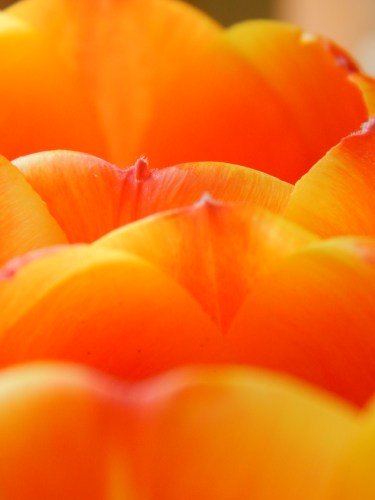
That was the color the bouquet of tulips appeared to be in the light of the shop. Then once brought home, placed in a vase, and bathed in the light of the sun all of these other colors appeared. An inspiring sight, to say the least.

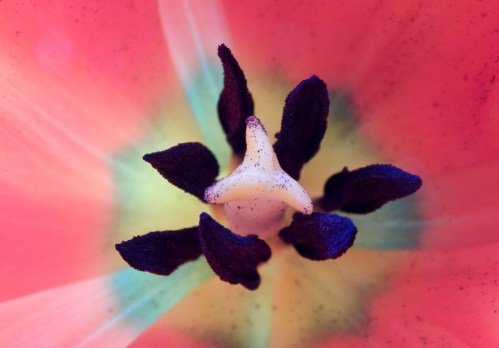
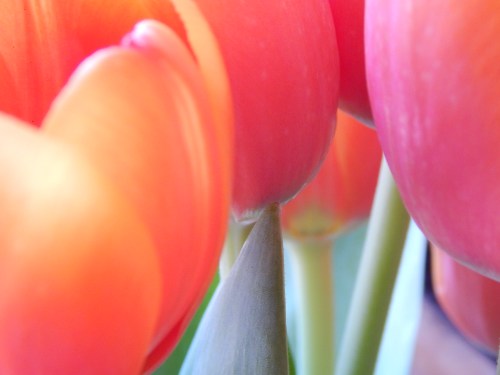
Posted in Inspiration, Nature Notes | Tagged beauty, colors, flowers, friendship, gifts, Inspiration, orange, Photography, tulips | 3 Comments »
April 28, 2016 by Cynthia
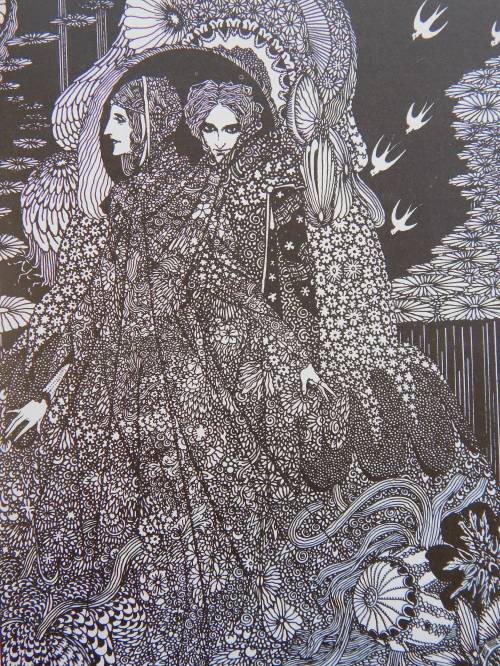
It must be a sign of the times that as I flipped through Edgar Allan Poe’s Tales of Mystery and Imagination as illustrated by Harry Clarke, I could not help but think what a great adult coloring book these illustrations would make. Perhaps not all of the illustrations … unless you’re into zombies and the Walking Dead. But these scenes from Poe’s short story Morella …
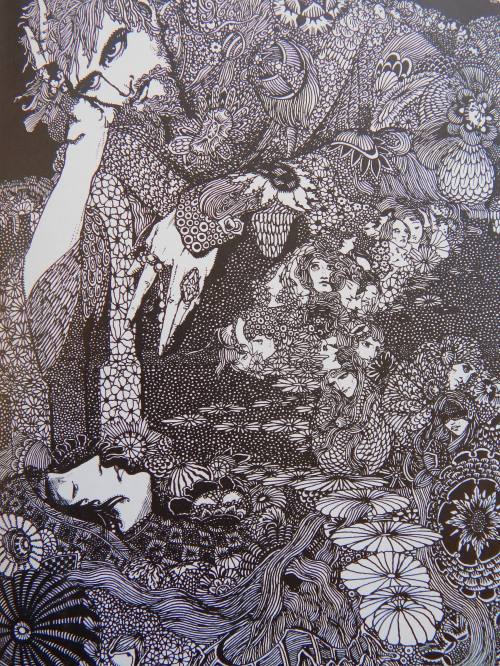
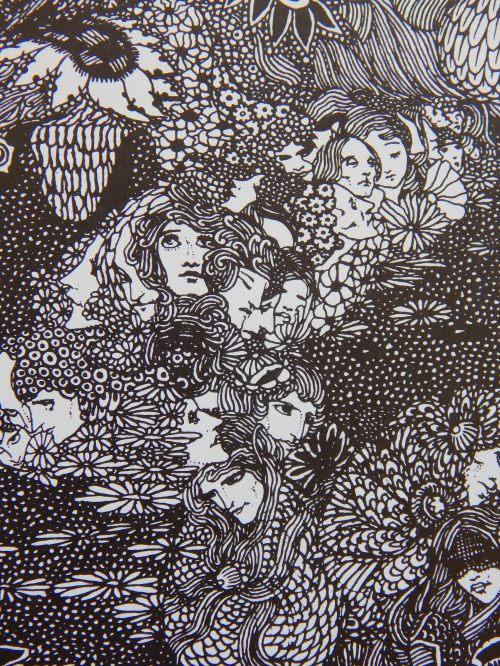
and these from The Colloquy of Monos and Una called to me with their flower and nature imagery. Harry Clarke (1889-1931) is perhaps more widely known for his stained glass work. Whether working with glass or with paper for his book illustrations, I wonder at the sources of his creative vision. I’m not always sure why I am inspired to do something but it sure is fun to take time to explore the possibilities. And to talk with other artists about their influences.

I can’t talk with Mr. Clarke but I am lucky enough to have access to a number of artists in my local community. Stay tuned for future updates about artists and their inspirations.
Posted in Inspiration | Tagged adult coloring books, art, beauty, Edgar Allan Poe, flowers, Harry Clarke, illustration, imagination, Inspiration, nature | 3 Comments »
April 27, 2016 by Cynthia

brazil: banknote showing freed slaves cooking
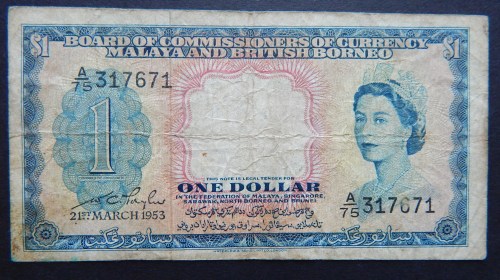
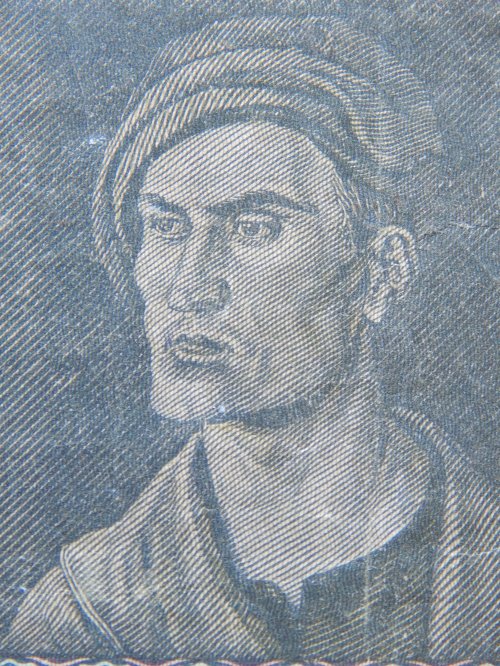
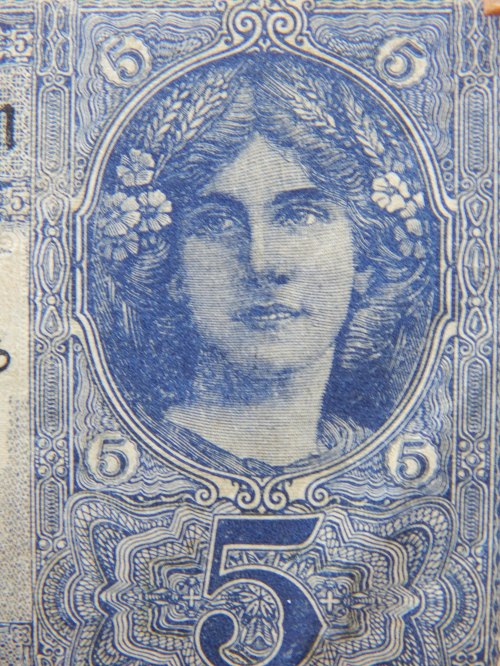
I am helping to research a bank note collection, mostly paper money from pre-World War Europe as well as other parts of the world. It is a fascinating project especially after the sometimes heated discussions here in the U.S. regarding the $20 bill and the plan to swap out the visage of Andrew Jackson for that of Harriet Tubman. Whichever $20 bill is held in hand in the future, embedded in that money, in the illustration, will be the story of that exchange. It’s the storytelling aspect that excites me about this bank note collection. Gathered over many decades, the notes are like tiny time capsules with regard to artistic expression, economics, history and more. The nature of using money certainly continues to evolve (e.g. don’t carry cash at all, just swipe your phone!), but I expect paper money may be around for awhile. Meanwhile, I’m looking forward to delving into the past and discovering the stories etched in these monies, a few of which are highlighted below.

france: 1940s bank note, image of Pyrenean shepherd

germany: notgeld was emergency money

british armed forces special voucher
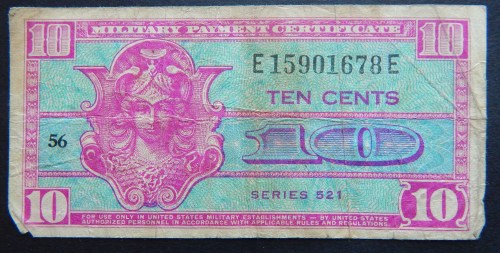
u.s. military payment certificate



Posted in Inspiration, Nature Notes | Tagged art, bank notes, banknotes, collecting, currency, engraving, history, illustration, notaphily, paper money, Photography, storytelling, travel | 4 Comments »
April 26, 2016 by Cynthia

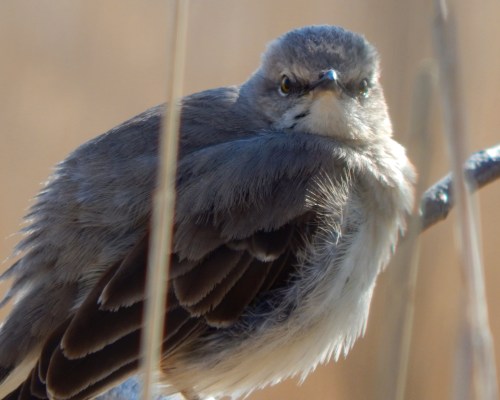
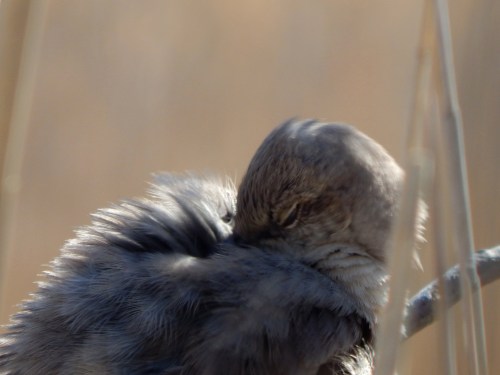
There were nearly as many birdwatchers as baby birds at the Belle Isle Marsh this weekend. And I’m not sure the birds were pleased.
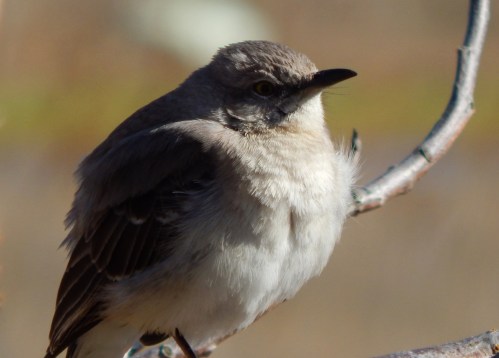
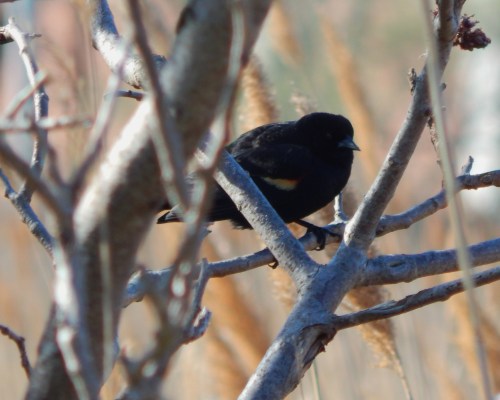
Posted in Branches, Nature Notes | Tagged Belle Isle Marsh, birds, birdwatching, Inspiration, nature, nature photography, Photography | 2 Comments »
April 26, 2016 by Cynthia

Just last night I spoke with a young friend. I’d sent her a greeting card depicting a cat, sleek and gilded and sparkling with jewels. You see, my young friend tends toward attire that also catches the light. She’d had the card framed and was trying to decide where to hang it on her wall. She already had framed a picture of an owl (I can’t remember if I’d sent her that). She asked, do you think the owl and the cat can be placed side by side? do you think they’d get along? I replied in surprise, my dear! have you never heard of the owl and the pussycat? She hadn’t. She asked, what’s the gist? I told her that I’d share the poem in full in a while but for now it was quite alright, indeed quite wonderful, for the owl and the pussycat to be close on her wall.
The Owl and the Pussycat was first published in 1871 by Edward Lear. A poem once often told and memorized in schools. A nonsense poem that sparked the imagination. Prequels have been written, and sequels, and many a reinterpretation. I’m not sure that the original is shared as often as it used to be. As National Poetry Month wraps up, read the poem for yourself on the Poetry Foundation website. And here is unique interpretation of the story available as a print at LangosyArts.

The Owl and the Pussycat Print by Zoe Langosy
Posted in Inspiration | Tagged art, collage, creativity, Edward Lear, friendship, humor, illustration, Inspiration, Langosyarts, National Poetry Month, poetry, The Owl and the Pussycat, Zoe Langosy | 2 Comments »
April 25, 2016 by Cynthia
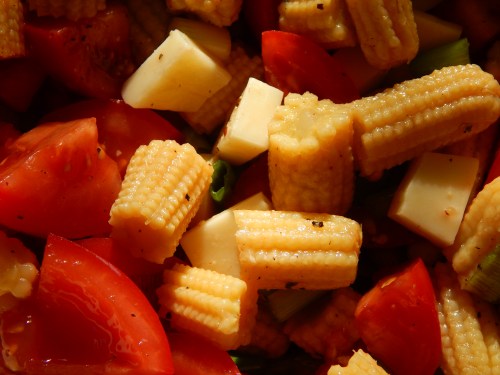
I pulled together the salad based on colors and textures. The gold and soft crunch of the baby corn. The sweet juicy ripeness of the chopped red tomatoes. The cubed creaminess of the Fontina cheese. The crispy bite of the spring green onions. A gentle toss with a sprinkle of salt and pepper. Steve’s challenge was the final addition. Of the fresh herbs available in the kitchen, which one or ones to add that would enhance this salad. In the end, he selected dill, coarsely chopped and sprinkled on top. That’s what I call teamwork. 😉 Have a good Monday, folks.
Posted in Inspiration, Kitchen Inspirations | Tagged baby corn, colors, food, food photography, healthy eating, Inspiration, Photography, recipes, salads | 4 Comments »
April 25, 2016 by Cynthia
My mother kept a bucket of chickens next to the back porch. It was a big white bucket like an old stew pot. Hens and chicks was what she called the little spiky plants growing in there. No matter how hot the summers, no matter how many other flowers and vegetables died in the baking Virginia sun, those plants survived to flourish the following year. They were easy to transplant. I remember picking up the little ones … they just popped right up out of the soil … and tossing them into another little cup of dirt. My mom told me to stop doing that because she’d specifically positioned her pot of chickens. Their singular location, next to the porch, was part of her garden design.
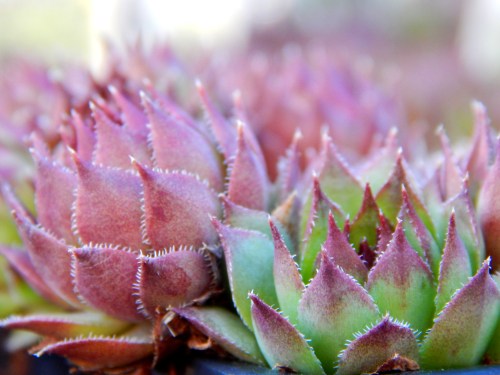
photo by cynthia staples
Now my mom and I did not formally speak of things like garden design and water-saving plants like her cacti. My dad did not discuss these things either though I remember he kept a barrel to collect rainwater and that he rotated crops in our little vegetable garden. He didn’t really explain the why of his actions. It was just what you did if you understood the system of which you were a part.
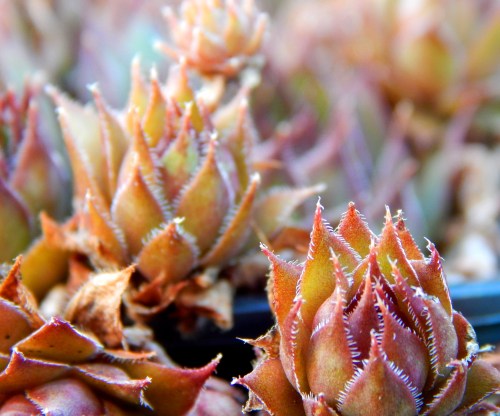
photo by cynthia staples
That’s what stands out for me in books like The Water-Saving Garden by Pam Penick. Penick invites readers who are interested in gardening to deepen their understanding of how their world works. My parents grew up in a time and place and were of a generation that knew the sources of their water and understood that those sources were not guaranteed. For all sorts of reasons that knowledge was lost as human ingenuity and engineering made water readily available in many places and seemingly endless. Today, people are aware that engineering is not enough. We are a part of a complicated system. Water is not endlessly available for our needs. But what if you really want a garden?

It almost seems selfish but I have to admit I’m one of those people. If at all possible, for my peace of mind, I like to see something green growing around me and know I had something to do with it. And despite my fond memories of my mother’s chickens, I don’t necessarily want to grow them. What are my other choices in a water-saving garden?

photo by cynthia staples
Pennick’s book stretches one’s imagination about what form that garden can take. She reminds and encourages people to take the time to understand the landscape and climate particular to their region. Humor is sprinkled throughout the book (e.g. “Think of your plants as astronaut-explorers, boldly going where no plant has gone before.”) as well as lovely and informative pictures.
The Water-Saving Garden is content rich and makes a nice addition to the reference shelf. Every idea can’t be tried all at once. It’s a resource I can imagine filling the margins with notes of lessons learned as I try to garden more wisely while still having fun.
You can learn more about this book via the following links. I received this book from Blogging for Books for this honest review.
Additional Links
About Pam Penick: http://www.penguinrandomhouse.com/authors/152546/pam-penick/
http://www.penguinrandomhouse.com/books/246914/the-water-saving-garden-by-pam-penick/
Posted in Books I Love, Inspiration, Nature Notes | Tagged book review, books, cactus, creativity, design, garden design, gardening, hens and chicks, Inspiration, Photography, storytelling, water | 3 Comments »
April 24, 2016 by Cynthia
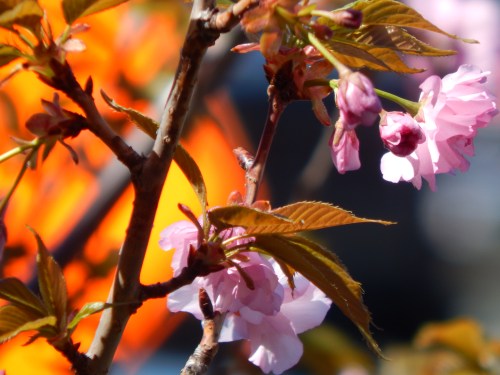
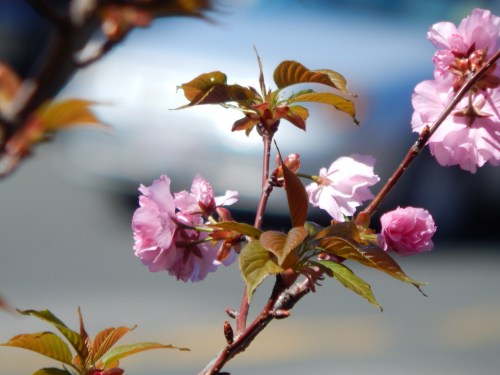
Posted in Branches, Inspiration, Nature Notes | Tagged blossoms, colors, flowers, gardening, Inspiration, nature, Photography, pink, urban landscape | 1 Comment »
April 21, 2016 by Cynthia

Just walking along on a sunny day and this is what I see looking back at me. 😉
Posted in Branches, Inspiration, Nature Notes | Tagged birds, color, Inspiration, nature, Photography, urban landscape, water | 3 Comments »
« Newer Posts - Older Posts »