Feeds:
Posts
Comments

Posts Tagged ‘art’

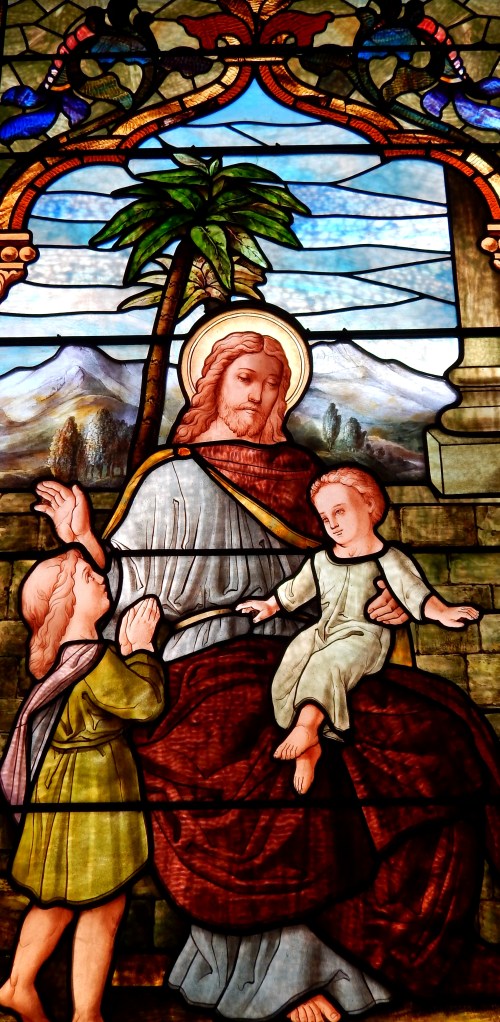
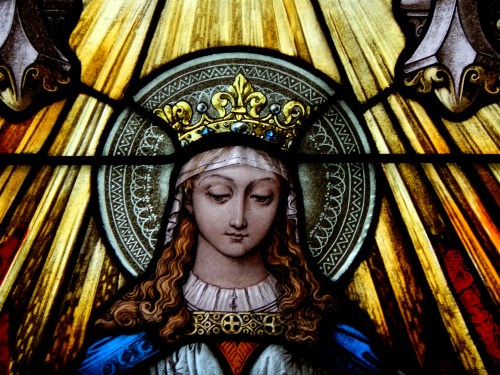
Recently (once again), I was walking down the street, this time in Cambridge, lost in thought, and chanced upon a large white wood building that I’d seen many times. A church.  Its main doors were usually locked midweek. But this day I decided to do something I’d never done before. I went around a corner and knocked at a different door, and this is what I learned.

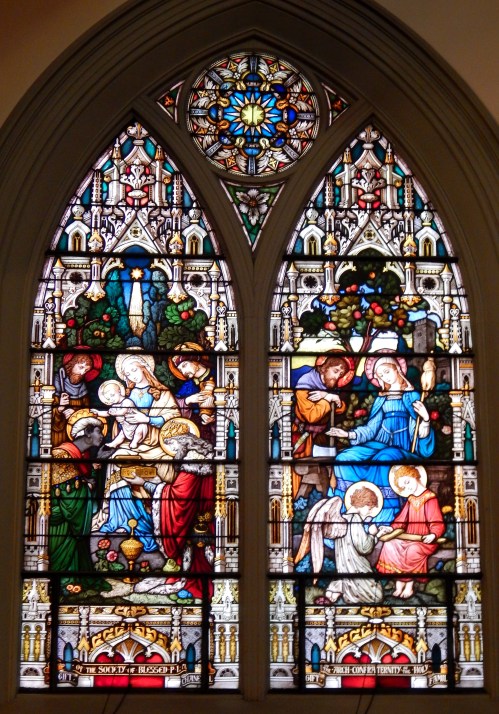
Now located at 8 Inman Street, Cambridge, MA, in the heart of Central Square, this church was once sited in a different part of Cambridge.  In 1822, the First Universalist Society built a meeting space in Lafayette Square, Cambridge at the corner of what was then known as Main and Front Streets.  In 1858, under the architectural supervision of Thomas Silloway, the Georgian style meeting house was significantly remodeled at a cost of $8,000.

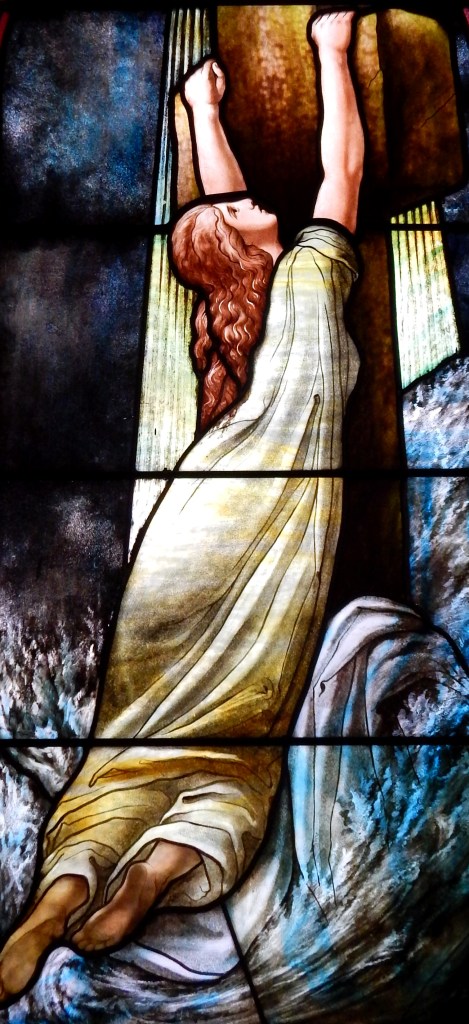
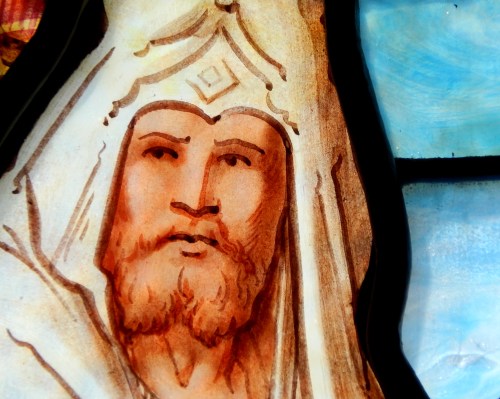
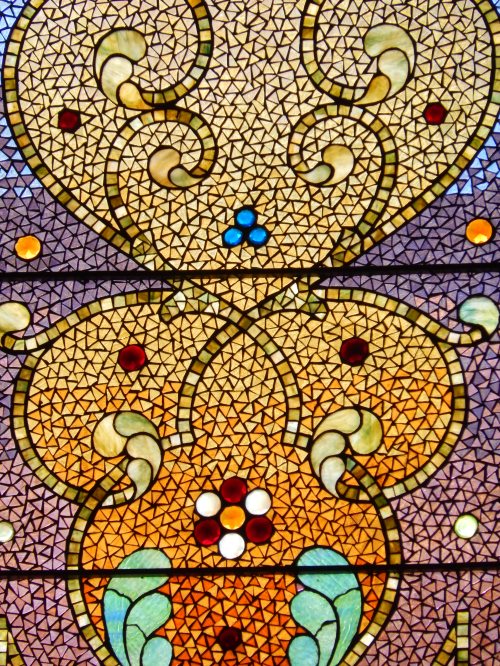
In 1888, part of the church lot was taken by the City of Cambridge for the widening of Front Street (now Massachusetts Avenue).  After careful consideration it was decided to move the building to its present location on Inman Street.  The building was cut into two parts and, as described in the church brochure, “Over a period of five days, men and horses were used to pull the building through the 40-ft. wide streets of Cambridge.  … Telephone and telegraph service were also temporarily interrupted…” When placed in the new location, a middle portion was inserted to increase the length twenty feet.  In addition to other major remodeling efforts, over time, there were at least three series of stained glass window installations. Artisans included Redding, Baird and Co., Belcher Glass Co., and an unnamed student of John LaFarge.

By 1954, the Universalist congregation had diminished to a very small number providing the opportunity for the orthodox parish of St. Mary to obtain the structure.  Later, assessed as part of the process for listing on the National Historic Register, the building was identified to have some of the rarest stained glass in the Northeast.

That particular day, I just took a quick peek, and what a delight.

Across time and despite the change in parishes, great effort has been made to protect, preserve and expand upon the stained glass windows and other interior decoration.

Please note that if you’re in the area, tours may be arranged.

I am thankful for the opportunity to visit so unexpectedly.

And I was reminded once more …you never know what a day will bring.

Sources/Additional Readings

St. Mary Orthodox Church Website

Read Full Post »

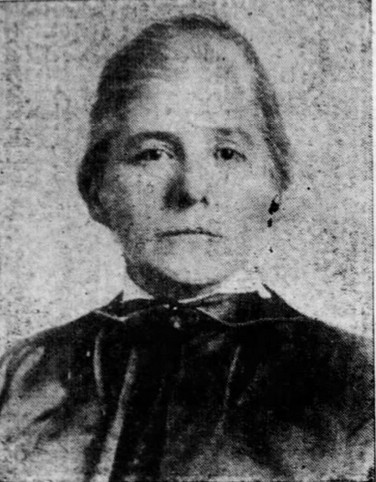
A plain black gown emphasized her type, which is fine, clean cut and deceptively simple.  Her eyes are dark and bright, her hair spun silver and the modulations of her low pitched voice are peculiarly musical. Denying herself color, she is a master of color.

Margaret Redmond, circa 1927

Margaret Redmond, circa 1927

In 1927, artist Margaret Redmond (1867-1948) was interviewed in her studio at 45 Newbury Street, Boston.  The interviewer Helen Fitzgerald described the space as, “a veritable treasure trove to the art lover.  All about her color glows and flames.  On the walls are sketches of colorful places … and the light transmuted by the stained glass of her own making fills the room with rays of gold and ruby, emerald, violet and blue so intense that it stirs in the sensitive observer an emotion akin to ecstasy.

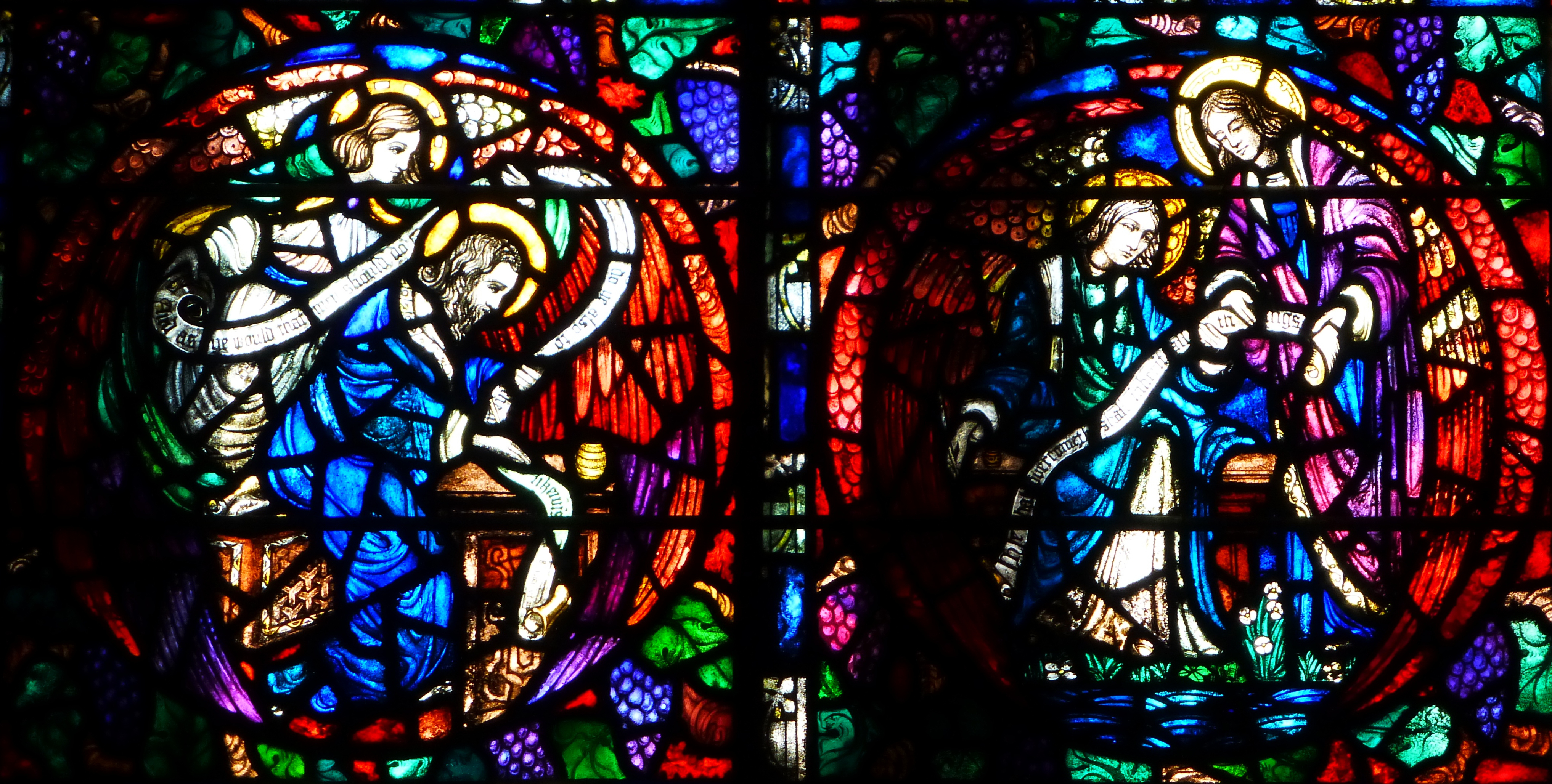
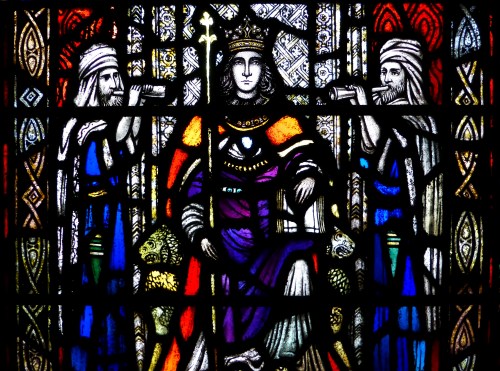
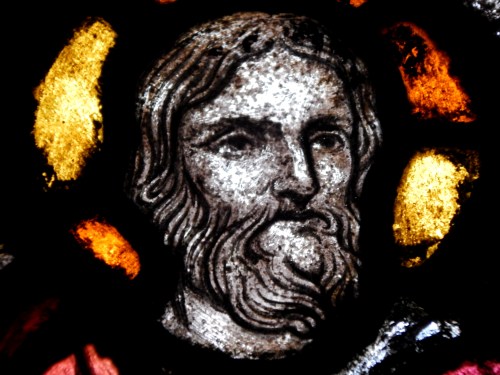
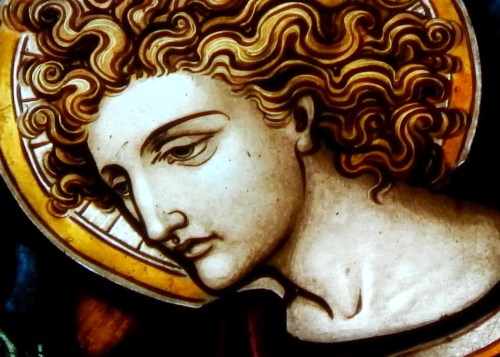
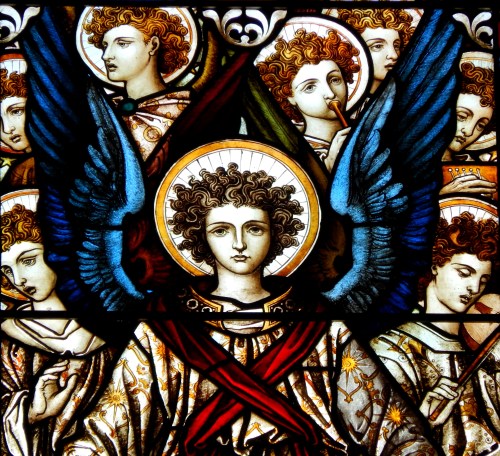
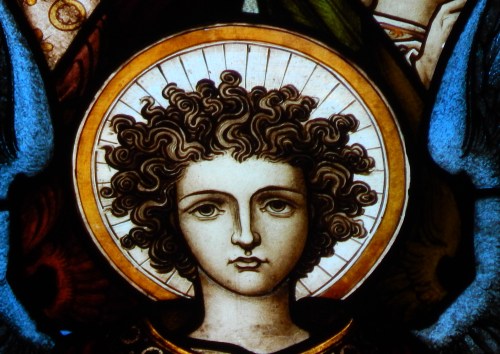
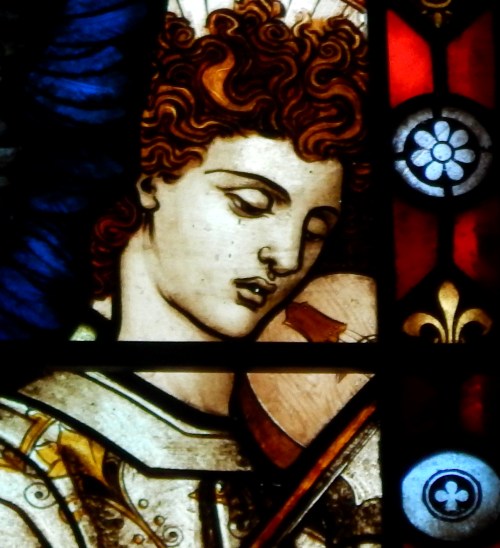
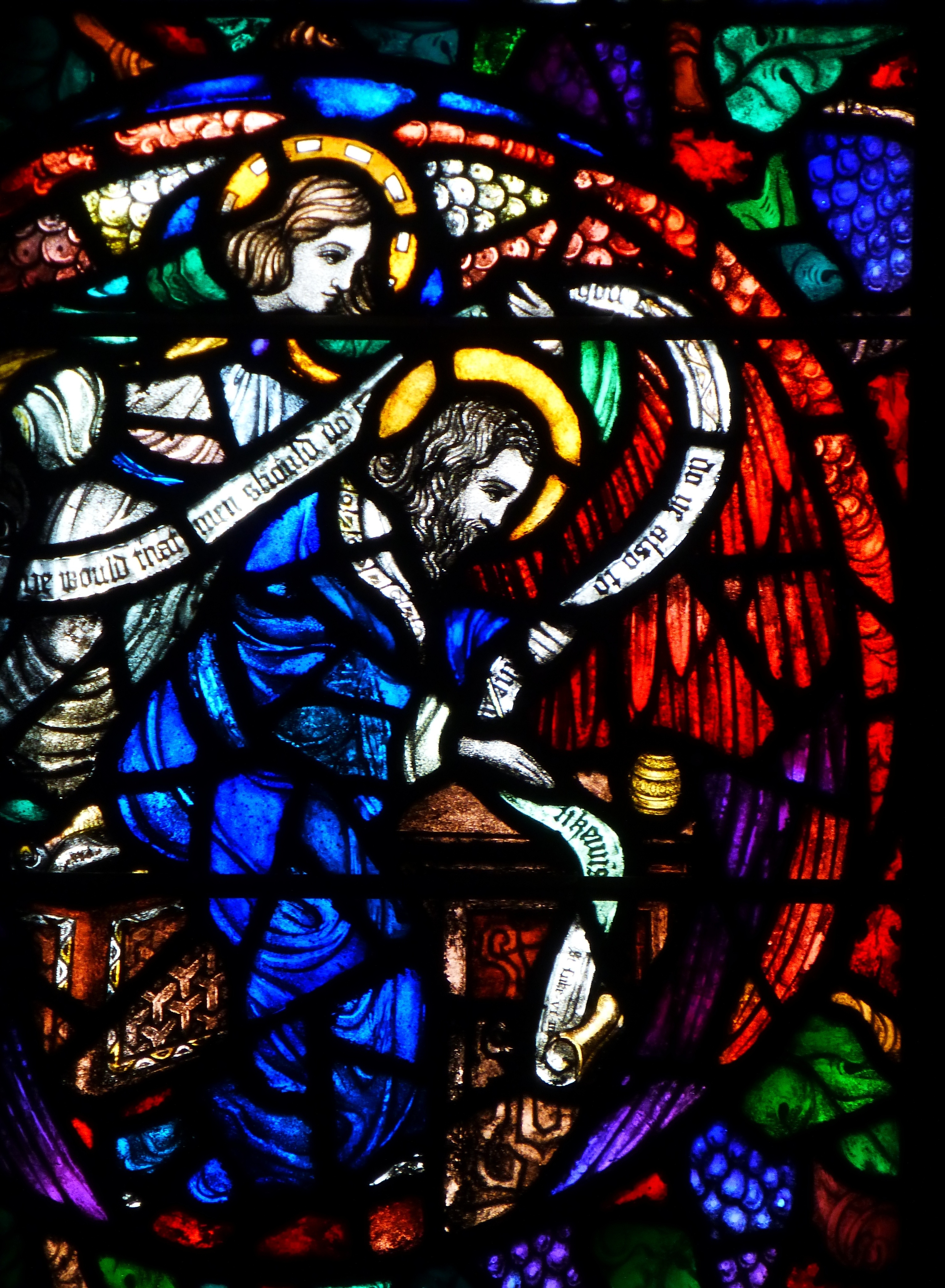
Detail from Evangelists Window, Trinity Church, 1927

Detail from Evangelists Window, Trinity Church, 1927

Detail from the Evangelists Window, Trinity Church, 1927

Detail from the Evangelists Window, Trinity Church, 1927

For the 1927 interview and in others, Redmond describes in detail her stained glass technique and why she chose to work with glass quite differently than contemporaries John La Farge or Louis Comfort Tiffany, whose works she admired.  As author Elinor Morgan summarized, La Farge and Tiffany designed with glass, whereas Redmond sought to use the glass as her canvas.

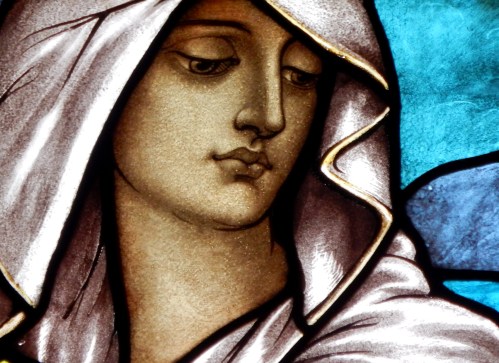
Detail from the Evangelists Window, Trinity Church, 1927

Detail from the Evangelists Window, Trinity Church, 1927

Born in Philadelphia, Redmond would study at the Pennsylvania Academy of Fine Arts, travel abroad to study in Europe, before returning to the states. In that 1927 interview, Redmond shared, “I went to England and France, where I spent two years studying the old glass windows in cathedrals, churches and museums. … My studies led me to many old cities and their churches and cathedrals.

Detail from the Evangelists Window, Trinity Church, 1927

Detail from the Evangelists Window, Trinity Church, 1927

When I had completed my pilgrimage of the cathedrals, I studied with Simon and Mellard in Paris.  Returning to this country, I came to Boston and entered the studio of Connick, the famous maker of stained glass, where I made my first window.”

Charles Jay Connick

Charles Jay Connick

Redmond apprenticed with Connick between 1906 and 1910.  Prior to that she bought a farm in Nelson, New Hampshire in an area that would become a hub for artists and intellectuals with Pennsylvania roots.  Redmond would maintain a summer home and studio there. Examples of her painting and stained glass work can still be found in this community.

Though her medieval inspired style of glassmaking was not in vogue, Redmond received a wide range of commissions for work in churches as well as in private homes and businesses. She exhibited her work, including watercolors and oil paintings as well as stained glass items, at arts and craft shows across the nation.

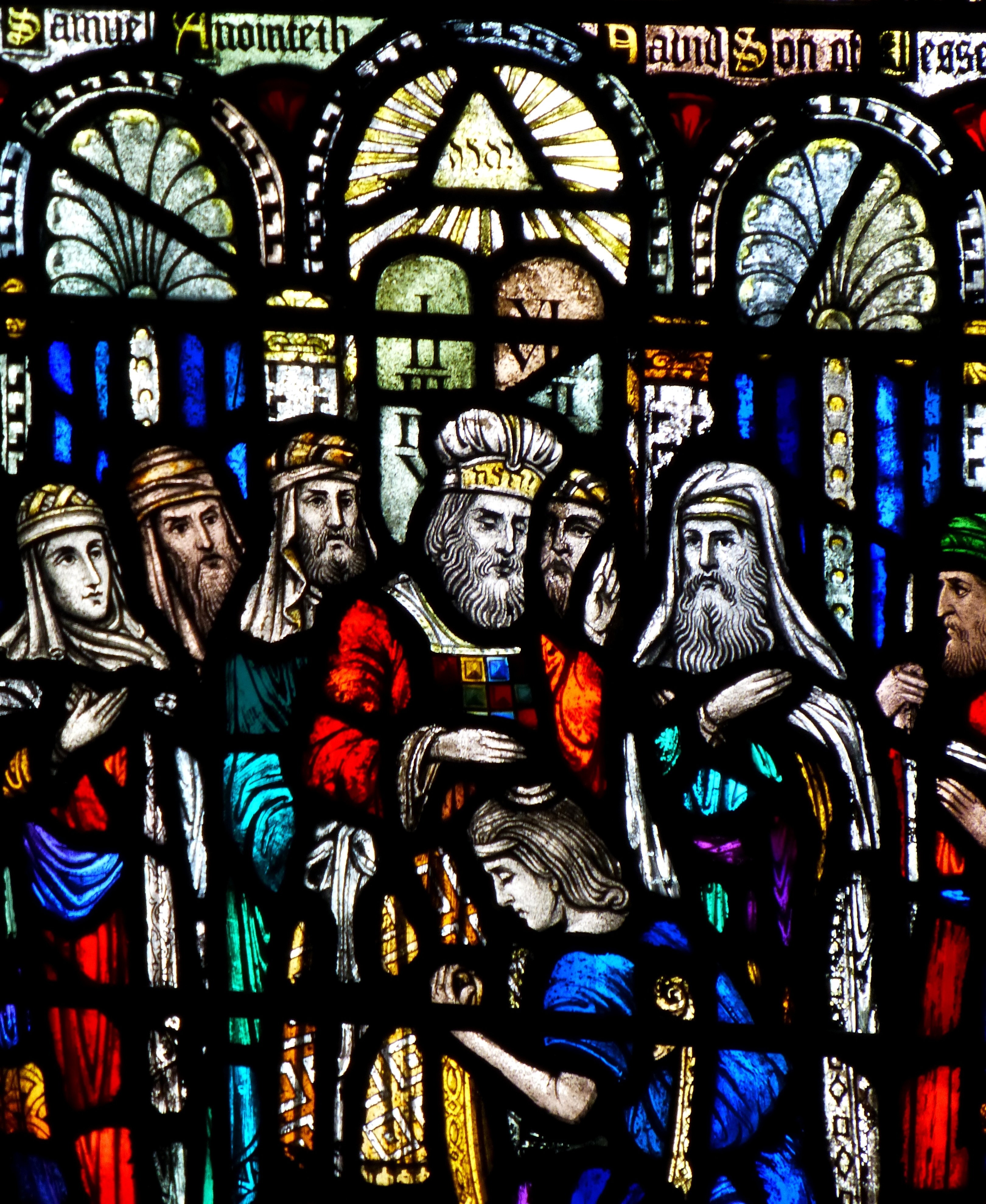
The 1920s and 1930s is considered her most productive period and this is when, for approximately $12,800, she would produce a series of windows for Trinity Church in the City of Boston, from the Apostles to the Evangelists (pictured earlier in this post) to scenes from the life of David and Solomon.

Throughout her career, Redmond was an innovator, for instance, experimenting with different uses for stained glass in the home, including fire screens which were popular in the period.  Though respected as an artist, she like many women was too often ostracized in a male-dominated field.  But in her studios she worked with both men and women, making a special effort to train young women as assistants in the different phases of the work.  In 1931, Connick would ask Redmond to list some of her favorite creations.  She would include on the list the windows produced for Trinity Church.

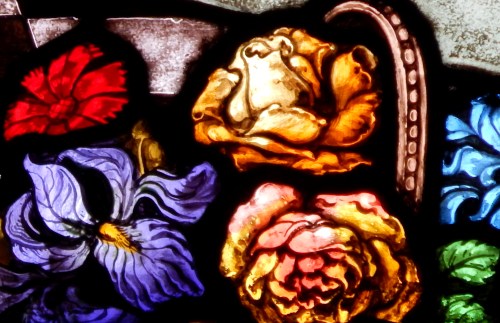
Detail from Tree of Life Window, Trinity Church

Detail from Tree of Life Window, Trinity Church

I have been unable to find a book solely about Margaret Redmond, or a single listing of her creations, but her papers including contracts are housed in the Smithsonian Archives of American Art.  A research project for another day perhaps. 😉

Sources/Additional Reading

Creates Stained Glass Windows, Margaret Redmond Searches Europe for Secrets of her Chosen Art, September 11, 1927 article interview by Helen Fitzgerald, Sunday Eagle Magazine, September 11, 1927

History Written in Glass by Elizabeth B. Prudden, The Christian Science Monitor, June 30, 1931

A Woman in Stained Glass … Against the Odds by Elinor Morgan, Stained Glass Quarterly, 1990

Women Artists at Trinity: Sarah Wyman Whitman and Margaret Redmond, article by Erica E. Hirshler in Makers of Trinity ed. by James F. O’Gorman, 2004

Redmond Papers at the Archives of American Art

Read Full Post »

In the shadow of the Back Bay is how the brochure describes the location of Our Lady of Victories Catholic Shrine.  I chanced upon the church yesterday after a meeting.  Crossing a street, I actually saw the back of the building first, an old brick structure with darkened windows that clearly had to be stained glass.  I made my way to the front of the building, studying the exterior and wondering if I might contact someone, some day, to ask if I might photograph the interior.

“Do you want to go inside the church?” A large man stood across the street.  He seemed to be in a hurry because he didn’t even wait for my answer before saying, “Just go down those stairs over there.” Then he continued on his way.

I went down the stairs into a little alleyway. There were a couple of older gentlemen there having a smoke. They greeted me kindly, and again without really waiting for me to say I wanted to enter the church, they directed me through a side door.

Inside was dark and warm. People moved about a bit in the shadows and I could hear a few sounds.  I could see no stained glass windows though.  Then, to my right, a gentleman walked from a side room.  He smiled and said, “You can come on in.  We’re just watching a movie.”

I thanked him for the offer, and said, “Actually, sir, I was wondering if I could go inside the church upstairs where the windows are.” His grin widened, and he said, “Of course. Just go back outside and up the stairs.  The doors are open.”

That’s what I did and following is a bit of what I saw.  There are quite a few images so please enjoy at your leisure. You can read more about the church’s history via this link.  In the future I hope to post more about the architecture and about the primary window designer, Franz Xaver Zettler.  And, by the way, I believe that the gentlemen who were so kind to me, were themselves being helped.  Located in the basement of the church is the Medeiros Center for Change.

Read Full Post »

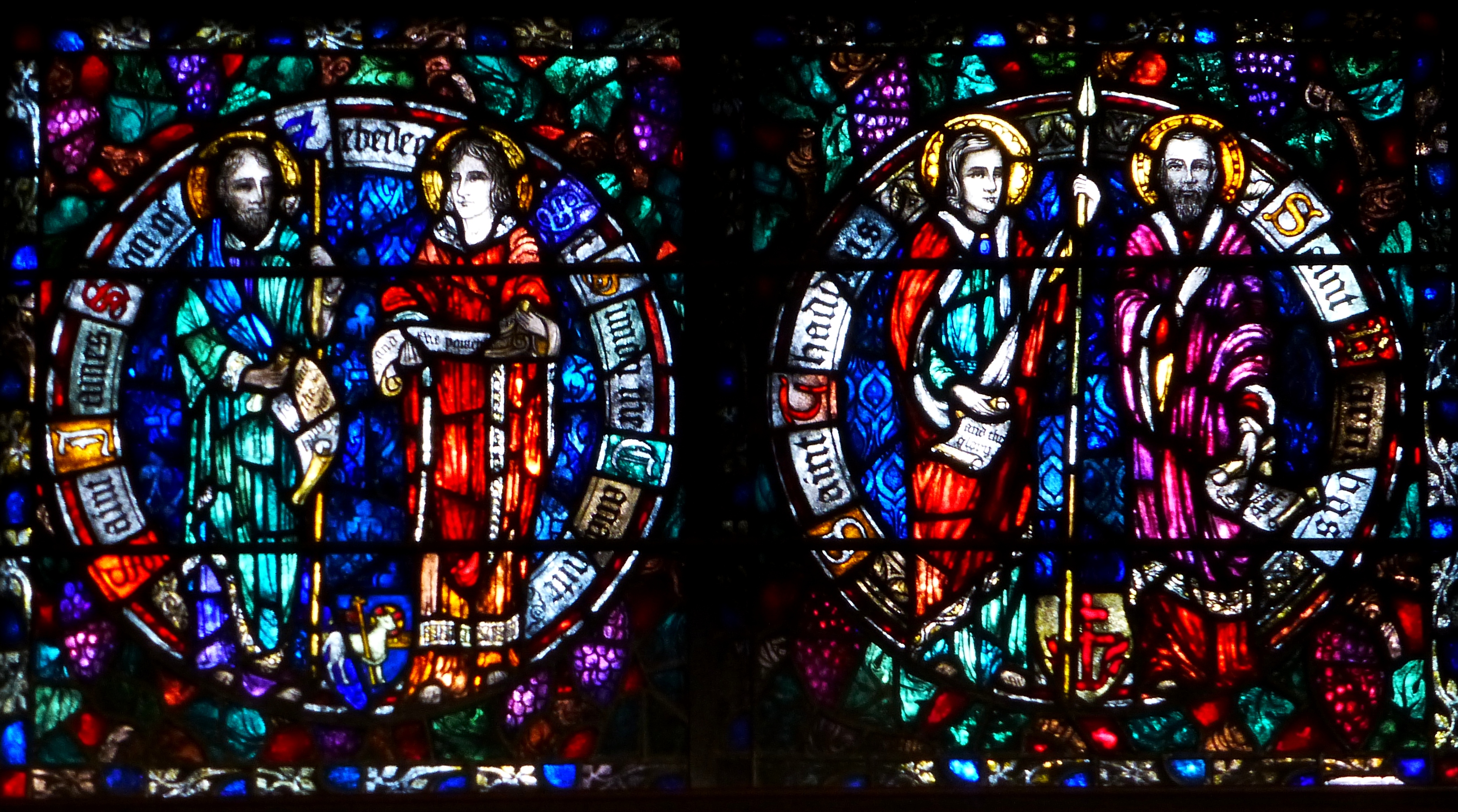
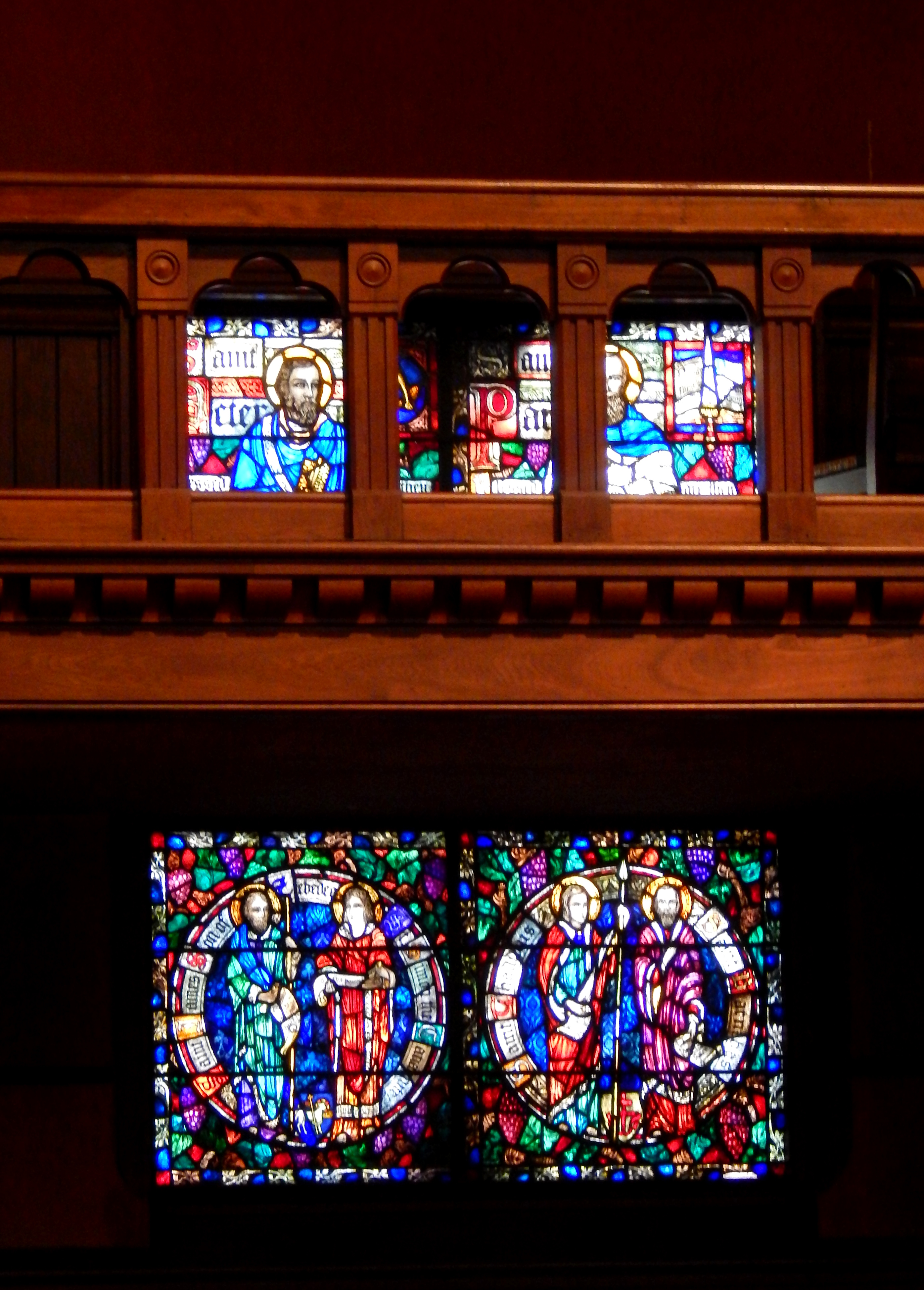
There is a person dear in my life who on occasion drives me crazy because he is compulsively compelled to help other people. As he likes to say, why else were we put here on this earth? A man of deep faith, his favorite saint is James.  I told him to tell me about James.  He shrugged and said, what more is there to say than what is faith without good works.  Indeed.  😉 This image of Saint James is one of two Saint James’s appearing in the the stained glass window designed by Margaret Redmond of Boston (1867-1948).  As you enter the sanctuary of Trinity Church in Copley Square, the windows are located to the left toward the north transept.  In the map one receives when engaged in a tour, the windows are labeled as Eight Apostles (1927).  In fact, all twelve apostles are represented, but only eight are most easily seen from the floor of the church, depicted in sets of four.

These eight apostles are James of Alphaeus, Matthias, Thomas, Bartholomew, James of Zebedee, Simon the Canaanite, Thaddeus and Simon Barnabus.

The other apostles — Andrew, Phillip, Peter and Paul — are paired above each set of four apostles.

A causeway not accessible by the public except during special events obscures their view …

… but assorted postcards and prints capturing their details are available in Trinity’s Book Shop.

What I enjoy about these windows is the explosion of colors.  Regardless of time of day or even season, there is always some new detail to discover.  For many reasons, they are an inspiring sight.

As the spring progresses, I hope to learn more about the artist Margaret Redmond, her life and her work.  As I do, I’ll be sure to share stories. Take care.

Read Full Post »

I was racing around the Back Bay of Boston and decided at some point that I needed to rest for a bit and so I stepped inside of the Old South Church at the corner of Boylston and Dartmouth Streets.  There were so many people sitting quietly that I decided that perhaps I should too (especially given the weight of my backpack).  And so I sat and focused my camera mostly on one window.  A large window above the chancel said to illustrate the announcement of the birth of Jesus to the shepherds.  Designed and produced by Clayton & Bell of London and installed in 1875.

Learn more about Old South Church, its history and current activities, via this link.

Read Full Post »

When I shared new photos I’ve taken inside Trinity Church with a friend, he remarked, “I see.  You’re digging deeper into the details.”  More details to share in the future. Have a good day, folks. 😉

Read Full Post »

Previous Interludes

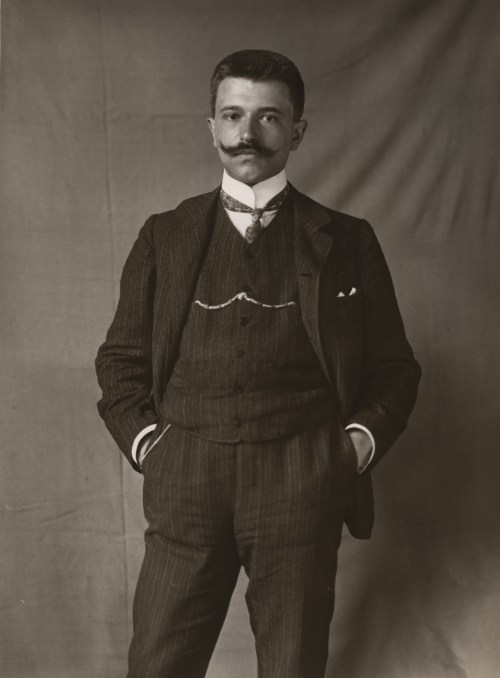
Portrait Eric Stenger, 1906, Museum Ludwig, Foto (c) Rheinisches Bildarchiv

Portrait Eric Stenger, 1906, Museum Ludwig, Foto (c) Rheinisches Bildarchiv

At the end of one letter, Dr. Erich Stenger writes, “I am up to my neck in work again and often regret that we did not get together more while you were here. There would have been so much more to show and to discuss. The director of the Kodak Museum B. Newhall has announced his visit. And when will YOU be returning to Germany?” (excerpt from 1950 letter from Stenger to Joseph A. Horne)
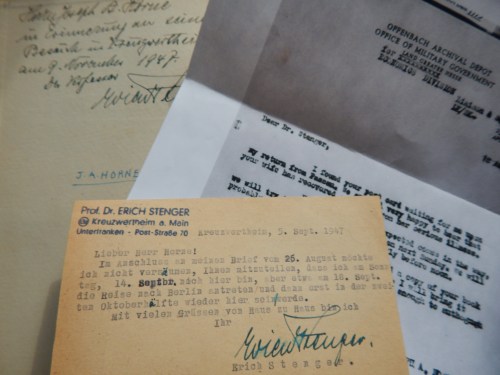
Erich Stenger (1878-1957) was a noted photographic historian and collector.  He trained as a chemist.  He worked during the early days of photography when photography was viewed more as a science rather than art.  In 1905, he would join the faculty of the Technische Hochschule in Berlin as an assistant instructor in the photographic department.  In the early 1900s, he co-wrote papers on The Fundamental Principles of Three-Colour Photography, and Radiation Sensitiveness of Silver Bromide Gelatin for White, Green and Orange Light.  By 1934, he was named to the chair of photography founded in 1864 by Hermann Wilhelm Vogel, a post he would retain until his retirement as Professor Emeritus in 1945.  He began building his photography collection as a student and would do so until the end of his days.
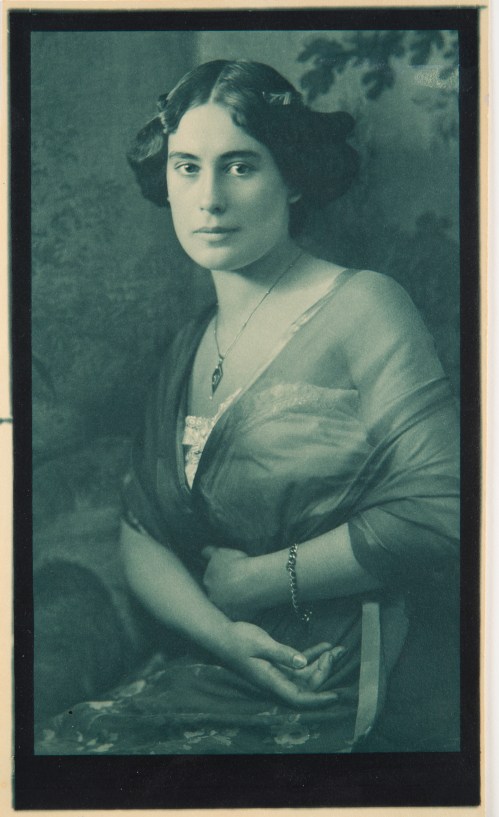
Portrait Franz Grainer, 1920er Jahre, Museum Ludwig, FH 2438, Foto: © Rheinisches Bildarchiv

Portrait Franz Grainer, 1920er Jahre, Museum Ludwig, FH 2438, Foto: © Rheinisches Bildarchiv

His collection was diverse, from landscapes to portraits, to decorative framed items to caricatures about photography.  Beaumont Newhall wrote that “At the time of World War II, his collection was said to be the largest in private hands anywhere in the world.”
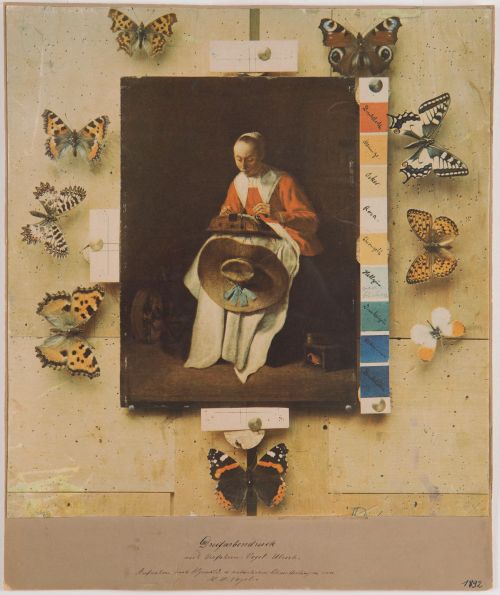
Hermann Wilhelm Vogel: Dreifarbendruck nach Verfahren: Vogel-Ulrich. Aufnahme nach Ölgemälde und natürlichen Schmetterlingen 1892 Museum Ludwig, FH 10248, Foto: © Rheinisches Bildarchiv

Hermann Wilhelm Vogel: Dreifarbendruck nach Verfahren: Vogel-Ulrich.
Aufnahme nach Ölgemälde und natürlichen Schmetterlingen 1892
Museum Ludwig, FH 10248, Foto: © Rheinisches Bildarchiv

Beaumont Newhall (1908-1993), referred to in Stenger’s letter, was a pioneering historian and first curator of photography at the Museum of Modern Art in New York.

Self Portrait at the Museum of Modern Art, New York, 1970.

Beaumont Newhall, Self Portrait, Museum of Modern Art, New York, 1970.

Over his career, he would write five editions of the signature work, The History of Photography.  In 1945-1946, the Roberts Commission would recommend him as a good candidate for the Monuments, Fine Arts and Archive unit.  Paul J. Sachs described Newhall “as one of the best men for library work.”
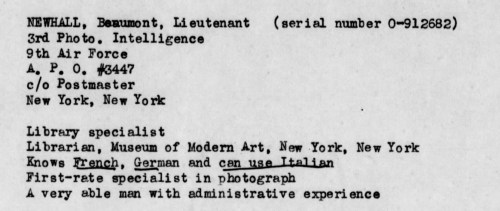
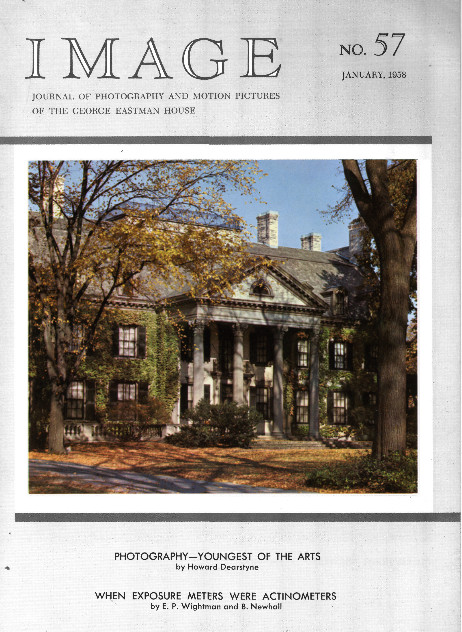
Newhall’s name appeared on one of the last lists of qualified officer personnel that the Roberts Commission presented to the War Department, indicating that “the only alternative after this is enlisted men.”  Newhall would not be assigned to the unit.  After discharge, Newhall returned to the U.S., continuing his research, lecturing, and curating photography exhibits.  In 1948, he became the first Curator of Photography at the Kodak Eastman House in Rochester, NY and would serve as its director from 1958-1971.
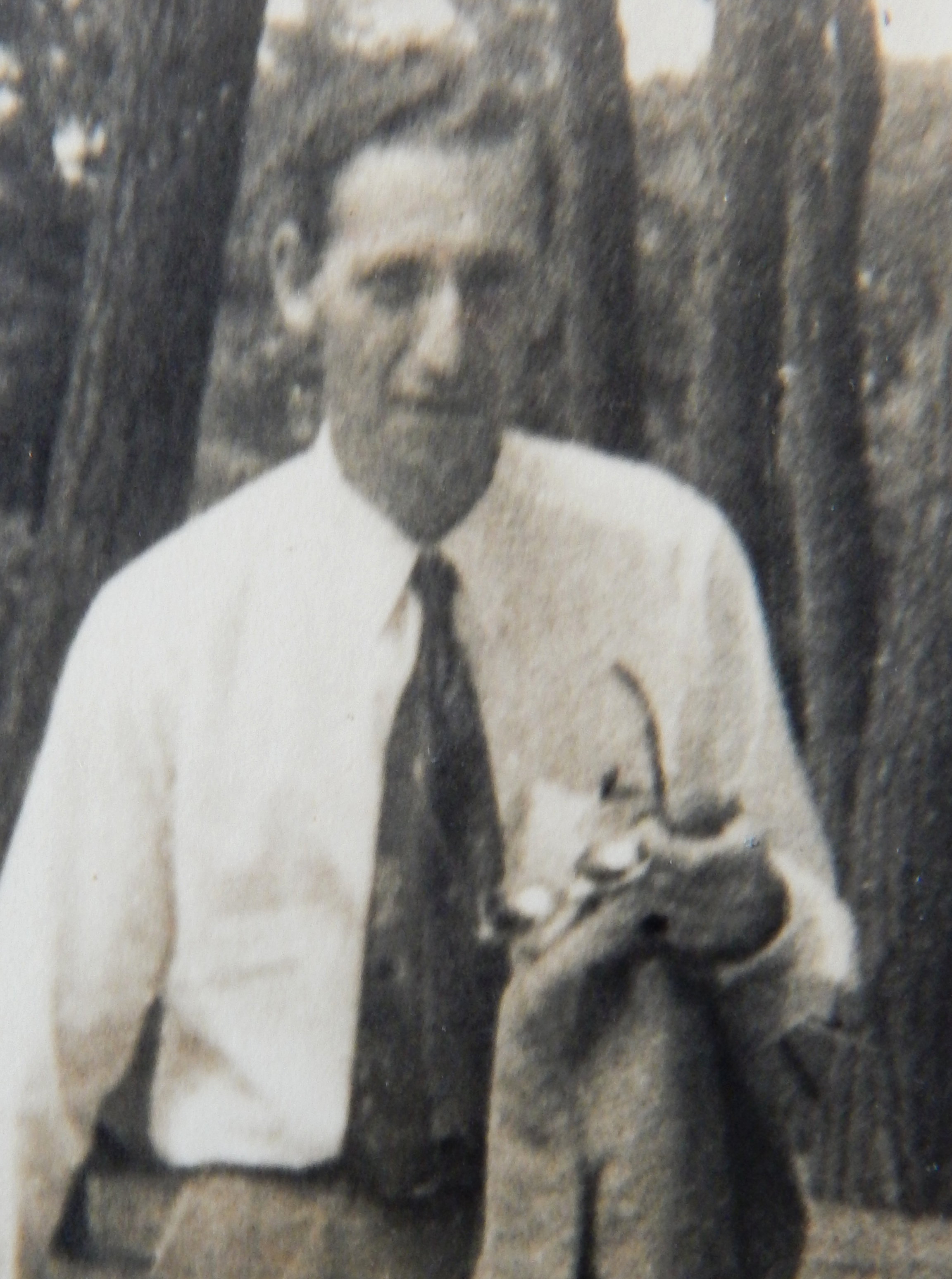
One of those enlisted men who would join the Monuments, Fine Arts and Archive unit was Joseph Anthony Horne.  And as part of that unit, Horne would meet Dr. Erich Stenger and learn of his unique photographic collection. Exactly when and where Horne first met Stenger in postwar Germany is unclear but the friendship they developed, as indicated through correspondence about everything from photography to family, would endure for a decade. That friendship must have stemmed from a mutual love of photography. Horne had been a photographer with the Farm Security Administration – Office of War Information (FSA-OWI).

Horne’s MFA&A colleague Paul Vanderbilt, during an Investigation Trip to Interview German Authorities and Inspect Private Papers, reports meeting Stenger in September 1946:

Vanderbilt recommended:

Horne certainly met Stenger at a December 1946 meeting of photographers and photographic scientists “to discuss the present situation of the photographic trade and industry in Germany.” Mr. Horne had been invited to attend by the Berlin Press Photographers Guild.  In his report following the meeting, he echoed Vanderbilt’s recommendations that Stenger be aided in reassembling his photographic collection, a collection spread across a divided postwar Germany.

"Germany occupation zones with border" by US Army - Modified version of http://www.globalsecurity.org/military/library/report/other/us-army_germany_1944-46_map3.htm. Licensed under Public Domain via Wikimedia Commons - http://commons.wikimedia.org/wiki/File:Germany_occupation_zones_with_border.jpg#mediaviewer/File:Germany_occupation_zones_with_border.jpg

Germany Occupation Zones 1946

It is unclear from available records how helpful Horne, Vanderbilt and the other Monuments Men were in helping Dr. Stenger rebuild his collection in a post-war, rapidly becoming Cold War, world. What is clear is that this unit of librarians, archivists and those dedicated to preserving and sharing knowledge, felt strongly about helping this gentleman as much as they could.

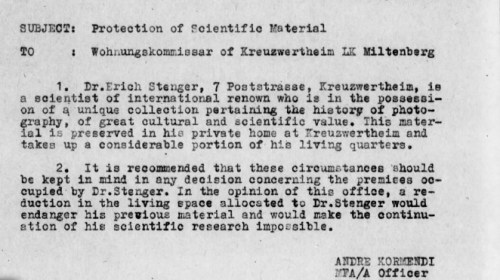
As the socio-political landscape of Europe changed, and with it the U.S. presence, Horne prepared to move on to other positions within the U.S. foreign services.  Regardless, he and Stenger stayed in touch, corresponding about family and photography, and perhaps even their shared interest in stamp collecting.  Horne would highlight opportunities for Stenger to exhibit photography, and Stenger provided updates on the health of his collection.

“The day after tomorrow I will be going to Switzerland, where I have been asked to come to deliver a few scientific lectures. I will be back home in mid-November. While in Switzerland, where I used to make annual purchases from merchants who knew what I was collecting, I will once again be on the look-out for my collection. Not having been back in eleven years, most of the merchants won’t remember me. Recently I was able to acquire some very special objects here in Germany; considering the awful destruction, I marvel that here and there something useful still pops up.” (excerpt from 1950 letter from Stenger to Joseph A. Horne)
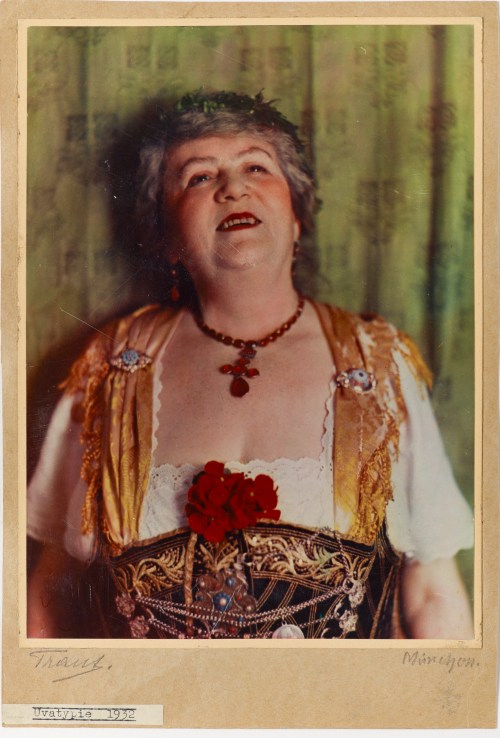
Henry Traut Porträt, München, Museum Ludwig, FH 11936 1932 Foto: Rheinisches Bildarchiv, rba_d036895

Henry Traut, Porträt, München, Museum Ludwig,
1932, Foto: Rheinisches Bildarchiv

In 1955, Stenger’s diverse collection was purchased by the company Agfa, and today it complements a number of other collections as part of the Photographic Collection of the Museum Ludwig in Cologne.  Stenger died in September 1957, and as Beaumont Newhall states in a later editorial, the world of photography lost a foremost historian and collector.


 Sources and Additional Readings

The Photographic Collection of the Museum Ludwig

Image Magazine, 1958, incl. editorial on Dr. Erich Stenger

press page about the Stenger Collection

About Beaumont Newhall (International Photography Hall of Fame and Museum)

Beaumont Newhall (Scheinbaum & Russek LTD)

Oral History Interview Beaumont Newhall

More about Paul Vanderbilt

Source of historical military records

Read Full Post »
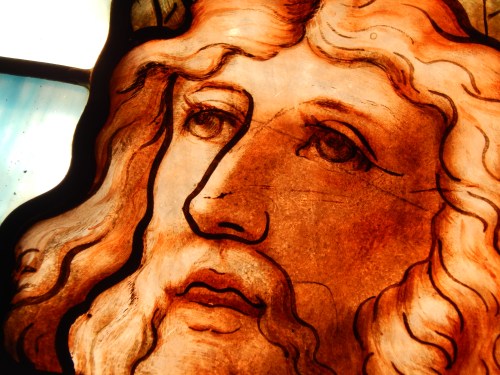
Spring will come! Meanwhile, here are a few projects that I’m working on.

1. New postcards coming to the Trinity Church Bookshop.  Most of my previous images have focused on details of the stained glass windows.  These new images highlight the wall paintings, murals and the interesting play of winter light across the unique architectural features of the building.

2. Moving forward with the InterludesInterludes is a collection of historical vignettes composed of words and images relating in someway to the life journey of Joseph A. Horne (1911-1987).  My research into his life began, in part, out of curiosity sparked by stories that he’d told his son and his son would later share with me.

Researching his life became a walk through history as I learned about orphan trains, immigration, the Depression, the Farm Security Administration, photography used at home and in war, and then there was the Monuments, Fine Arts & Archives program.  What a delight to share with his son, “Hey, did you know your dad was one of the Monuments Men?”

In addition to my main chapters, there are “interlude extras.”  Please check out previous posts here:  interludes TOC.  Coming soon Mr. Horne’s correspondence in the 1940s and 1950s with photographic historian and collector, Dr. Erich Stenger, and the complexities of operating the Offenbach Archival Depot.

3. Collecting and Sharing “Lost” Stories. It’s not so much that most of the stories are lost.  I just think that some portions of these stories could be more widely known.

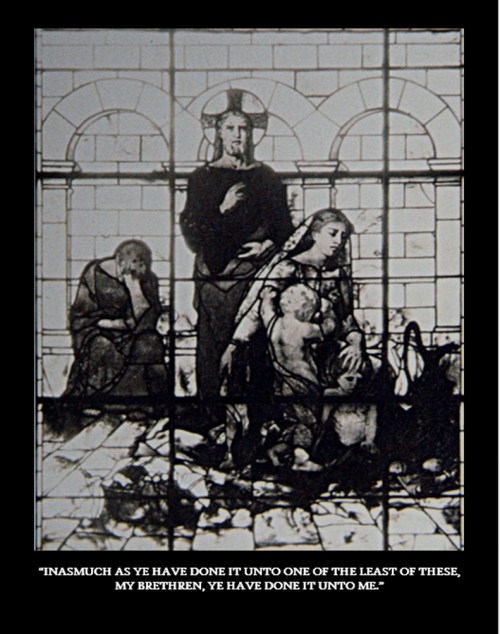
For instance, it’s not so much sharing the technical story of this stained glass window designed by Frederic Crowninshield in the 1880s (which was sadly dismantled in the 1950s).  What I’m looking forward to sharing is the story of the remarkable Bostonian for whom the window was created and whose legacy is still being felt today.

I’m also looking forward to sharing even a small portion of the story of an African American architect who started out designing stained glass in the late 1800s before moving on to design buildings, and even starting an architecture department, before his death in the late 1920s.  Researching this man’s life has opened my eyes to the role of African Americans in architecture.  It has also given me a new perspective on the complexities of life, within and across ethnicities, as America forever dances (and fences) with the idea of becoming a “melting pot.” Stay tuned.

4. More Food Photography.  Well, when you’re stuck in a “snow globe” after many successive snowstorms, and your favorite place to work at home is the warm kitchen, you can start to have a lot of fun photographing food.  We’ll see what the rest of this wintry culinary season has to hold for me and my camera.

chive sprouts

chive sprouts

Moro

Moro

That’s the scoop. Stay warm!

Read Full Post »
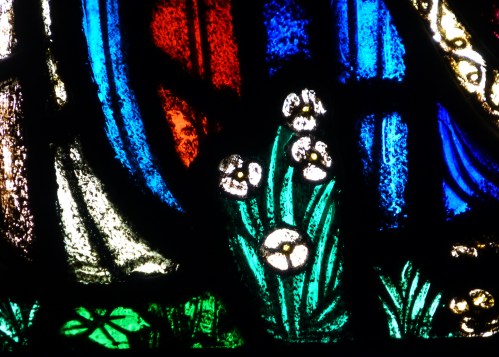
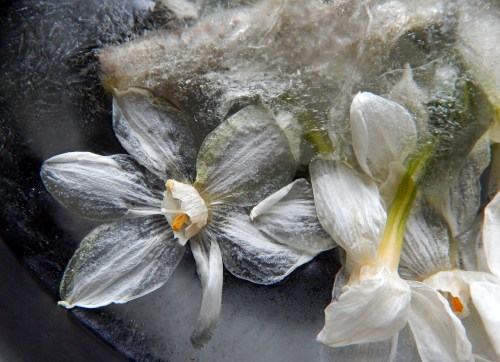
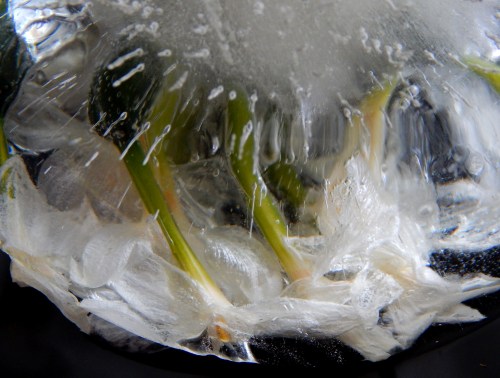
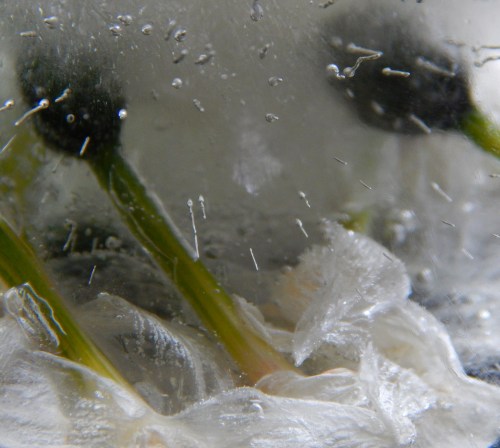
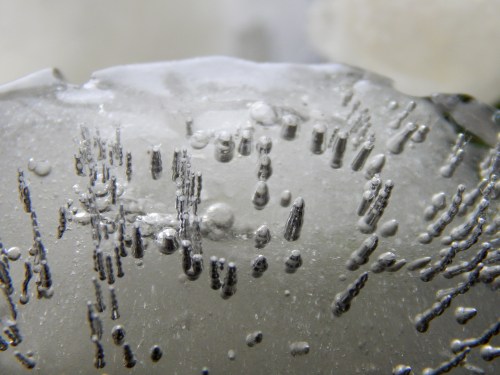
Some of the bulbs still thrive in the hallway but one had faded away and so I took its drying blossoms and placed them in a bowl and tucked them in the fridge. This morning, as with the rose, I photographed the results.  This morning’s light was less intense then on the day I shot the rose but it was bright enough.

Read Full Post »

One of the challenges I set for myself at the end of last year was to practice what I was preaching which was encouraging other people to submit their creative works to literary and commercial publications.  Towards that end, I submitted three images of a Somerville sunset to the online literary magazine, The Critical Pass.  I was honored that one of the images was selected to appear in the current issue, viewable via this link.  While, if you choose, you can easily discover which of these three images was selected, I hope you’ll have time to browse the other works in this issue, as well,  from the thoughtful Letter from the Editor to a wonderful interview with a 15-year old poet (pp. 18-20).

FYI, each of these images is available in my Zazzle Shop here, here and here.

Read Full Post »
« Newer Posts - Older Posts »