Posts Tagged ‘beauty’
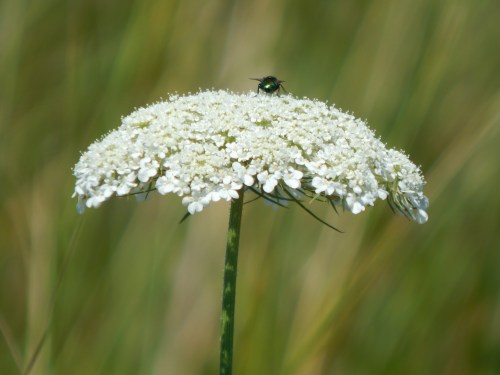
serenity comes to mind
Posted in Inspiration, Nature Notes, tagged beauty, colors, green, Inspiration, nature, Photography, white on July 29, 2015| 1 Comment »
stories in water: the dragonfly dance
Posted in Inspiration, Nature Notes, tagged beauty, colors, dragonflies, insects, Inspiration, landscape, light, nature, Photography, reflections, water on July 28, 2015| 1 Comment »


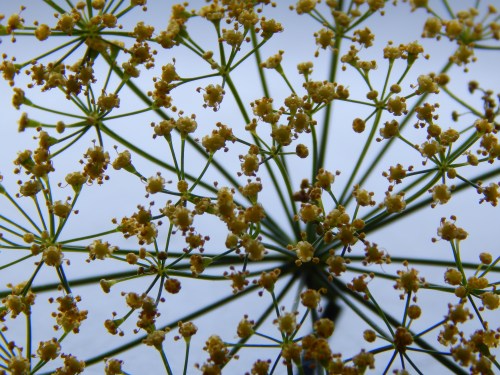
I started with sweet marjoram but …
Posted in Branches, Inspiration, Nature Notes, tagged abstract, beauty, blooms, colors, dill, flowers, fun, herbs, indoor gardening, Inspiration, Photography, sweet marjoram on July 16, 2015| 1 Comment »

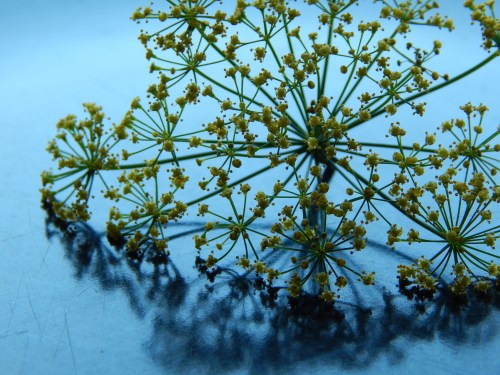
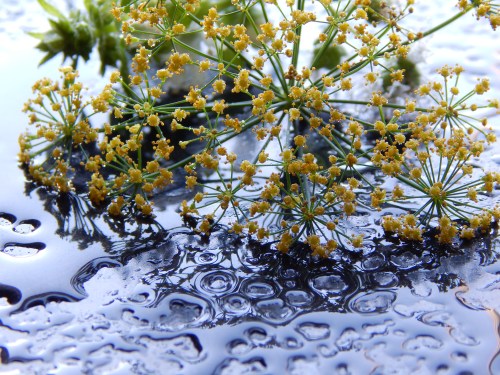

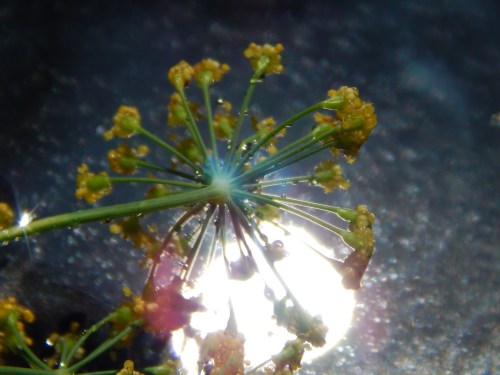
hot off the press in Alimentum
Posted in Contributing Writer, Inspiration, Kitchen Inspirations, Photography, Publication Updates, tagged Alimentum, beauty, Contributing Writer, edible flowers, flowers, food, food photography, food writing, indoor gardening, Inspiration, nasturtium, photo essay, Photography, winter activities on July 12, 2015| 2 Comments »

It’s mid-July, and here in New England, we’re still talking about this past winter. The seemingly unending piles of snow will long live in the memory, and for me, so will the unexpected creativity born out of solitude watching things grow even in the dead of winter. I’m honored to have a series of images from that period featured in the latest Alimentum The Literature of Food. Enjoy!
the orchid
Posted in Branches, Inspiration, tagged beauty, botanicals, colors, flowers, indoor gardening, Inspiration, orchids, Photography on July 4, 2015| 1 Comment »

around one block
Posted in Branches, Inspiration, Nature Notes, tagged abstract, beauty, botanicals, colors, flowers, Inspiration, Photography, urban landscape on June 30, 2015| 5 Comments »
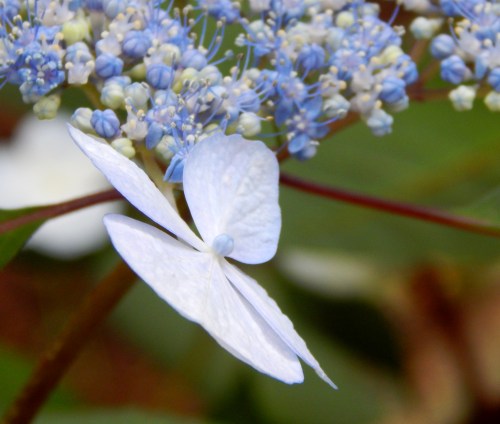
I was a bit early for an appointment in Boston’s Back Bay, so I decided to take a brisk walk around the block. This is what I saw.
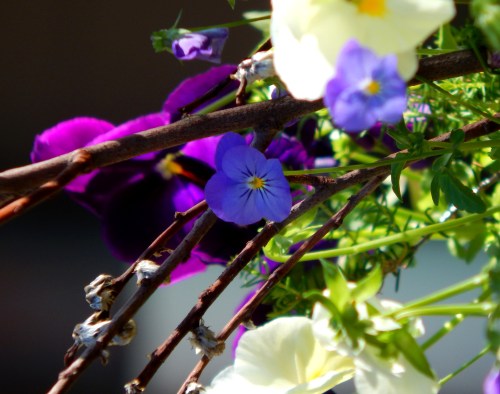


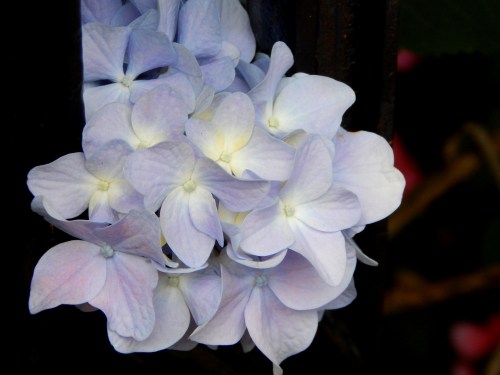
a few flowers from the weekend
Posted in Branches, Inspiration, Nature Notes, tagged abstract, beauty, colors, flowers, gardening, Inspiration, Photography, urban landscape on June 15, 2015| 3 Comments »
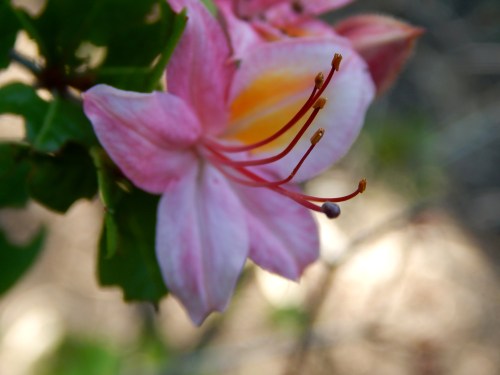
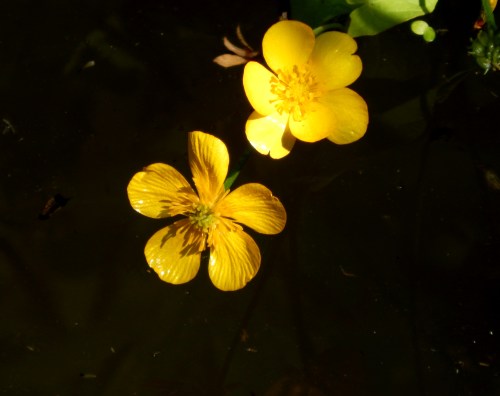
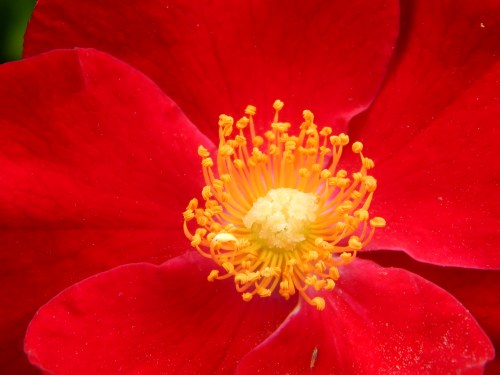
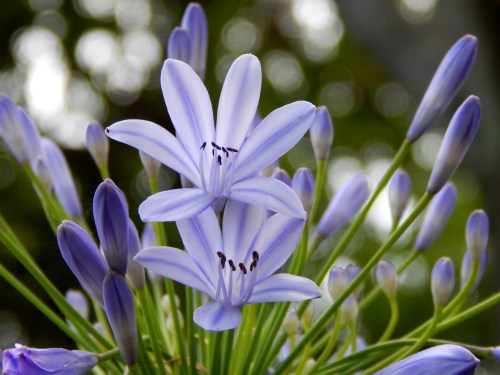
an orchid
Posted in Inspiration, Nature Notes, tagged abstract, beauty, colors, flower, indoor gardening, Inspiration, nature, orchid, Photography on June 13, 2015| 6 Comments »
beauty submerged
Posted in Inspiration, tagged abstract, beauty, collaboration, colors, Inspiration, moonstone, Photography, stone, water on June 2, 2015| 1 Comment »
A friend recently asked me to photograph her moonstones. As I wrapped up my photo shoot, I decided to submerge one of the stones in a glass of tap water. That’s all that is … a rock beneath water.

honeysuckle abstractions
Posted in Branches, Inspiration, Nature Notes, On the Road, tagged abstract, beauty, colors, honeysuckle, Inspiration, landscape, memories, monarch butterflies, nature, nature photography, Photography, plants, storytelling, vines on May 31, 2015| 3 Comments »

As a child I remember a wire fence separating our house and yard from that of the neighbor’s. Along this fence twined the milkweed vines so thick that we were sometimes a stop for errant monarch butterflies. And there entwined amidst these sturdy vines were the delicate strands of the honeysuckle.

A friend taught me how to harvest the nectar. Quite tasty though I did wonder how long would it take to fill a glass or even just a thimble.

Sometimes I’d attempt to braid the vines to make tiny crowns for my dolls’ heads (because my brothers would not deign to wear them). The flowers adorned play dough cakes and moist mud pies. With hindsight, I wish that I had placed them upon the dark red mulberries that I once handed to my dad on a tea set plate.

Just some of the thoughts that came to mind as I recently stood next to a wall of honeysuckle.

